Welcome to bauck.com Sites. This is your first post. Edit or delete it, then start writing!
Blog
-
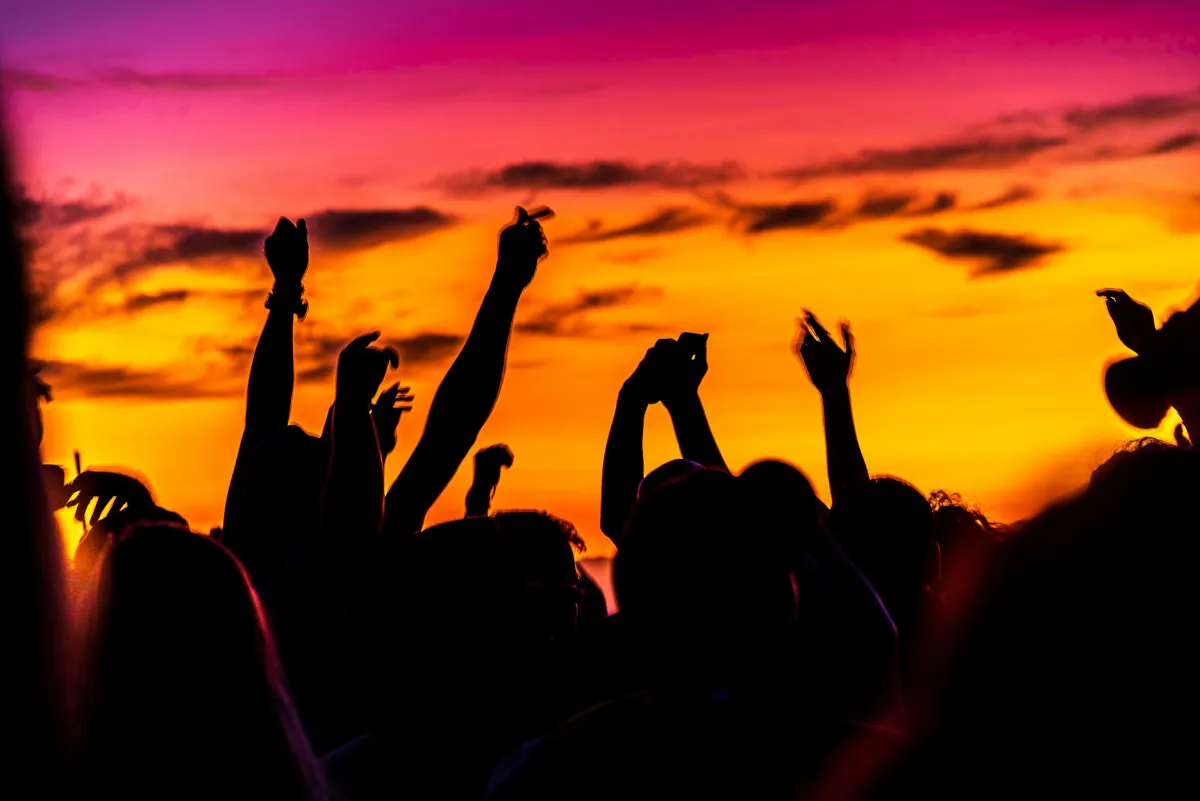
Mombasa After Dark: The Coastline Built for Clubbing
In Mombasa, the line separating lazy beach afternoons from all‑night clubbing is as thin—and flutter‑light—as a freshly fallen palm frond. One minute you’re rinsing sand from your flip‑flops while street hawkers holler for your last coconut; the next, you’re bathed in lasers, nursing a rum‑spiked madafu, and feeling basslines roll in on the same tide that carried dhow traders centuries ago.
This city refuses to confine its party spirit inside windowless basements; instead, it splashes beats across powder‑soft beaches, breezy rooftops, and antique dhows whose sails once hauled cloves and coral. Google “best hotspots for clubbing in Kenya” or “Is Mombasa a good place for partying?” and the shoreline itself booms back an answer—equal parts confident grin and thunderous sound system, salted by Indian‑Ocean mist and backlit by swaying silhouettes of coconut trees.
Beach‑loving party animals, boozy tropical tourists, and experience‑hungry travellers of every decade—especially those who believe sunrise tastes better after the final track fades—should tune in extra closely.
The Mombasa After-Dark Hitlist
Beach Bars with Vibes
Coco’s Beach Bar – Polished and Chill
Attached to Sarova Whitesands, Coco’s has long been the go-to beachfront bar for travelers who want cocktails without chaos. Palm trees frame white parasols and cushioned lounges, while the gentle rumble of the ocean soundtracks the vibe.
Coco’s eases into the night with live acoustic sets, especially on weekends. The DJs here don’t scream into mics or drop bass like anvils—they groove, blending Amapiano, Afrobeats, and soft house like bartenders layering a perfect mojito.
It’s not a place for wild dancing, but it’s where many a night out begins—with a sundowner and a plan.
Pirates Beach Bar – The Reggae Ritual
This is where the locals go. And you know it the second you step onto the sand. No dress code, no pretense. Just the smell of nyama choma wafting from charcoal grills, thumping riddims, and a salty crowd swaying like seaweed.
The reggae here is loud. The Tusker is cheap. The crowd is mixed. There are no LED wristbands or drink tokens—just honest-to-God partying beside the ocean.
If you’re on a budget or you just want the raw, uncut Mombasa beach bar experience, Pirates delivers. Loud, warm, a little chaotic. Just like the city.
Moonshine Beach Bar – DJ Heat with a Breeze

Right on the shoreline in Nyali, Moonshine attracts a more mixed crowd: tourists, locals, backpackers, and expats. While it’s more structured than Pirates, it’s less posh than Coco’s—think sweet spot.
There’s no foam cannon here (despite what other sources may say—don’t believe the hype). What you will find is regular DJ nights featuring house, Afrobeat, and the occasional surprise dancehall set. Drinks are reasonably priced, the crowd is loose but lively, and there’s enough space to either dance or chill.
Best of all? You can still hear the ocean.
The Lookout Bar – The Sundowner’s Stage
Perched at Voyager Beach Resort, The Lookout Bar is Mombasa’s hidden pre-party gem. High enough to catch the breeze, close enough to hear the waves, it’s the place to sip a Dawa while the sun slides into the horizon like a disco ball melting into the ocean.
Occasionally, a soft sax or acoustic guitarist adds magic. Most nights, it’s the slow buzz of conversation, clinking glasses, and the soft rustle of palms that keep the vibe alive. It’s where your night out gets permission to begin.
High-Energy Clubs for Serious Clubbing
Hypnotica – Where the Bass Lives
Located in Nyali, Hypnotica is a longtime favorite for clubbers who came to move. The lighting system looks like it was imported straight from a music festival, and the sound system could probably launch a satellite. The dancefloor is dark, packed, and pulsing.
Hypnotica doesn’t mess around. Its DJ sets are tight, the crowd is hungry, and it runs late. From Afro-house to Bongo to the latest club anthems, this is where you go when you really want to go out.
VIP booths are available, though many just wedge themselves into the crowd, sweat it out, and order another round.
Sheba Lounge – The Rooftop That Hits
Sitting at the top of City Mall in Nyali, Sheba is where cocktails meet clubbing with no middleman. It’s not rooftop in the “skyline skyscraper” sense—it’s Mombasa rooftop: casual, open-air, and buzzing with coastal heat.
Packed on weekends, Sheba leans into Afrobeats, Gengetone, and trending East African club hits. The crowd skews younger, but don’t be surprised to spot some 40-somethings out-dancing the TikTok set.
With a bar that doesn’t skimp and a dancefloor that doesn’t quit, it’s a safe bet for anyone looking to club properly.
Anuba Lounge – Loud, Local, Loved
Right at Nyali Centre, Anuba feels gritty in a good way. There’s nothing fake about it. The music hits heavy. The drinks are poured strong. And the dancefloor? Constant motion.
It’s not “underground,” but it’s also not trying to be international glam. It’s unapologetically Mombasa. On most nights, expect a playlist stacked with Kenyan urban hits, Gengetone, Afrobeat, and just enough throwbacks to keep the vibes democratic.
Come with friends, come hungry for noise, and come ready to sweat.
More Clubs That Prove Mombasa Doesn’t Sleep
Zero 01 Lounge – Sleek, Loud, and Unapologetically Urban
Hidden in the Mombasa CBD near Moi Avenue, Zero 01 Lounge is where Nairobi’s clubbing energy meets coastal chill. The crowd is diverse: bankers in shiny loafers, fashionistas in bodycon dresses, DJs dropping amapiano bombs between Bongo hits, and a dancefloor that stays jammed until 5 a.m.
It’s multi-level, multi-bar, and occasionally feels like someone dropped a mini Westlands into the heart of Old Mombasa. The sound system is a monster, and the clubbing experience is intense—from the sensory-overload lighting to the hypnotic drink specials and guest DJ takeovers. VIP booths fill fast on weekends, so reserve early or bring your best I-know-the-bouncer smile.
Zero 01 isn’t by the beach, but it makes up for that with sheer intensity. This is clubbing at full throttle.
Club Mios – Coastal, Confident, and Full of Fire
Nestled in Bamburi near the Kenol roundabout, Club Mios is a favorite for serious local clubbers. It’s not fancy, but that’s not the point. This place is built for stamina. You come here to dance until your shirt sticks, sip affordable shots, and dive headfirst into a playlist that includes everything from gengetone and riddim to Congolese rumba and coastal pop bangers.
The club has an open-air vibe in parts, with smokers and dancers spilling into the night as tuk-tuks glide past outside. On Fridays, the crowd swells with working-class locals and weekend warriors ready to turn up hard. The drink deals are solid, the service is fast (enough), and the party goes until the last speaker is unplugged—sometimes well after sunrise.
Mios is a no-frills, all-thrills spot. If you want to experience real coastal clubbing, this is it.
Casablanca Club – The Old-School Legend
Ah, Casablanca. Ask anyone who’s partied in Mombasa for more than a decade, and this name will make them smirk with nostalgia. Located on Mnazi Moja Road, this is one of the OG nightclubs in the city—and though the city has changed around it, Casablanca is still very much alive.
The space is sprawling: several bars, an open terrace, and an interior clubbing area that throbs with history and bass. You’ll meet everyone here—from tourists chasing the “real Mombasa” to locals reliving the clubbing scenes of their youth. The playlist swings between East African pop, old-school R&B, and straight-up dancehall.
It’s not the newest or glossiest venue in town, but Casablanca delivers on energy, nostalgia, and variety. It’s a classic for a reason. If you’re doing a proper Mombasa clubbing tour, skip Casablanca and your passport should be revoked.
Laid-Back Spots with Lounge Appeal
Not every night has to involve neon strobes and spilled vodka sodas. Mombasa also caters to those who like their clubbing experience with a bit more air and a bit less chaos.
Tapas Cielo – Classy Drinks with a DJ Twist
Set on the rooftop of Nyali Centre, Tapas Cielo is where style meets beats. This isn’t a dance-until-you-drop kind of venue. It’s for pre-gaming in linen shirts, sipping mojitos, and maybe sliding into a karaoke mic after one too many caipirinhas.
On weekends, DJs spin smooth Afrobeats and deep house while patrons drift between tables and the bar. There’s dancing, yes, but more “let’s sway and flirt” than “let’s jump and sweat.” It’s perfect for date night or starting your clubbing itinerary with a bit of class.
The Lounge Bar at Voyager – Quiet Clubbing Energy
Technically inside Voyager Beach Resort, this bar deserves a mention because it nails the elusive “chill party” vibe. Think acoustic sets, candlelit tables, and bartenders who know how to make a proper whiskey sour. If you’re not in the mood for full-blown clubbing but still want that holiday-night-out glow, this is your move.
And when you’re ready to turn it up? You’re just five minutes from Hypnotica and Anuba. Or grab a tuk-tuk and go full beast mode at Club Mios. That’s the beauty of Mombasa clubbing—it’s all connected.

Urban Waterfront: Champagne with a View at English Point EnglishPoint Marina Lounge – Sleek Nights by the Water
For a more refined approach to nightlife, EnglishPoint Marina brings luxury into the clubbing equation. You won’t find anyone grinding to gengetone here—but you will find plush lounge seating, polished floors gleaming under soft lighting, and yachts bobbing silently in the harbor like patient, glittering giants. The skyline of Old Town shimmers across the water, and the air smells faintly of salt, saffron, and someone’s designer cologne.
Bartenders here don’t just pour—they perform. Cucumber-mint martinis arrive perfectly balanced, old fashioneds come with orange-zest smoke curling out of crystal glasses, and even a simple G&T feels like an event. The music starts mellow—Afrohouse, nu-jazz, or liquid soul—but with the right crowd, it builds. Slowly. Smoothly. Until suddenly you realize you’re clubbing in a space where the dress code is crisp linen, not crop tops.
EnglishPoint isn’t loud. It’s confident. It’s where business travelers unwind, creatives celebrate, and couples turn post-dinner drinks into accidental all-nighters. Come to impress. Come to connect. Or just come for a moment of sea-slicked serenity with a soundtrack. This is grown-up clubbing in Mombasa—less strobe, more seduction.
Only-in-Mombasa Nightlife Experiences
Dhow Discos – Floating Clubbing, Swahili Style

Dhow sunset parties – an unforgettable signature experience Forget rooftops. Mombasa’s most unique clubbing experience floats. Literally.
Traditional wooden dhows—the same kind once used for trading across the Indian Ocean—are now party vessels, fully kitted out with portable DJ decks, coolers full of drinks, and disco lights that bounce off the waves. These “dhow discos” usually depart from Tudor Creek or the Old Town waterfront around 8 p.m. and return only when the sound dies—or the tide demands it.
The crowd is small but energetic. The music? Anything from Swahili soul to EDM, depending on who booked the night. The real magic, though, is watching the Mombasa skyline blur behind you as you’re two-stepping under the stars. You haven’t experienced coastal clubbing until you’ve done it with your feet on polished teak and your drink clinking to the rhythm of the tide.
Yacht Parties – Clubbing for the Champagne Crowd

Got a crew? Got a budget? Then level up your night with a private yacht party. Several operators based around EnglishPoint Marina offer chartered evening cruises with full sound setups, bartenders, and panoramic views of the city.
This is where birthdays turn into music videos. You board in linen, pop bottles under the moonlight, and get off the boat three hours later wondering whether you just lived a dream—or missed half of it while taking Instagram stories.
Pro tip: Book well in advance, bring your own DJ if you want full control of the vibe, and don’t forget your swimwear (some of these turn into floating pool parties).
Nyali–Bamburi Pub Crawls – Coastal Chaos, Tuk-Tuk Style
Start at Tapas. End at Mios. Or vice versa. The truth is, there’s no fixed path to a Mombasa pub crawl—only the momentum of good music, decent drinks, and tuk-tuks willing to race you to the next stop.
A typical coastal clubbing crawl might hit:
- Tapas Cielo for cocktail warmups
- Sheba Lounge for the first dance
- Anuba for the main heat
- Hypnotica when things go feral
- Club Mios for the afterparty
- Mama Ngina Drive for post-clubbing food
Most nights, the route is determined by DJ lineups, who’s offering drink specials, and whether someone in your group has a crush on the bartender at the next bar. Embrace the chaos. It’s half the fun.
Street Food That Powers the Party
If you haven’t ended your night in a crowd of dancers slumped over plastic tables with octopus skewers in one hand and sugarcane juice in the other, you’re not doing Mombasa right.
Mama Ngina Drive – The Afterparty Buffet
Located on a stretch of waterfront popular with families by day and partygoers by night, Mama Ngina Drive becomes the go-to fuel stop after clubbing. Try the chilli-lime grilled octopus, shawarma loaded with garlic sauce, or mshikaki cooked over open coals. Vendors here are used to dealing with loud, tipsy customers. Your midnight antics won’t even make the top 50.
Buxton Junction – Where the Bhajias Hit Different
This roundabout near the bridge into Nyali is home to some of Mombasa’s most legendary street snacks. Piping hot samosas. Crispy bhajias. Heavily spiced chips masala. And all served with side-eye from aunties who’ve seen hundreds of clubbing zombies like you stumble in before sunrise.
Pair it with a cold Stoney or a mango smoothie, then grab a tuk-tuk back to your hotel—or directly to the beach if you’re chasing that sunrise moment.
Getting Around Without Getting Got
Clubbing in Mombasa is fun. Getting stranded at 3 a.m. is not.
Rides, Routes & Red Flags
- Bolt is widely available, and most clubs have security staff who can help you call one.
- Tuk-tuks are great for short distances—cheap, fast, and easy to flag down even at 4 a.m.
- Matatus run late but aren’t recommended for tourists after dark.
Stick to well-lit routes, keep your valuables zipped up, and always ride with a buddy if you’re far from your accommodation. Mombasa is generally safe, but like any party destination, you need to keep your wits as sharp as your dance moves.
When to Party Hard (and When to Nap Instead)
Peak Party Seasons
December through January is Mombasa’s undisputed party peak. It’s the tourist high season, and everything—from the clubs to the cocktail menus—is turned up to full volume. Venues are packed, international DJs roll in, and beach bars practically hum with nonstop coastal energy. If you like your clubbing loud, crowded, and electric, this is when to go all in.
Easter Weekend brings its own kind of madness. Locals hit the coast in droves, upcountry visitors stream into Nyali and Bamburi, and what starts as a Friday night warm-up quickly snowballs into four straight days of round-the-clock partying. Dance floors don’t empty. They rotate.
August holidays offer a more balanced chaos. Families fill the beaches by day, but by night, clubs and lounges swell with post-sunset revelers chasing DJ sets, cocktail offers, and that signature Mombasa mix of sweat and sea breeze.
Off-Peak Benefits
March to May is considered the rainy season, but don’t let a little drizzle scare you off. While it’s technically quieter, the lower crowd density means more space to dance, easier reservations, and drink specials that stretch your clubbing budget. If you’re lucky, you’ll catch a storm outside while the dance floor heats up inside—a cinematic contrast you won’t forget.
October and November sit in that sweet pre-holiday window. The weather is warm but not overwhelming, the crowds haven’t hit full throttle, and it’s prime time for yacht parties, open-air lounges, and romantic dhow cruises under star-streaked skies. It’s nightlife with breathing room, perfect for those who prefer their clubbing with a touch more calm and a lot more class.
How Much You’ll Spend on a Night Out
You don’t have to sell your kidneys to go clubbing in Mombasa—but you can spend like a baller if you want.
Budget Night
- Entry: KES 200–500 (many beach bars are free)
- Drinks: KES 300–600 per beer, KES 800–1,200 per cocktail
- Tuk-tuks: KES 200–500 within Nyali/Bamburi
- Street food: KES 100–300
Total: KES 2,000–2,500
Mid-Tier Night
- Entry: KES 500–1,000
- Drinks: Mix of cocktails and beers
- One or two venue hops + Bolt rides
- Late-night eats, maybe a bottle
Total: KES 5,000–10,000
Blowout Night
- Private table or lounge reservation
- Premium liquor, champagne
- Dhow/yacht party or multi-venue crawl
- Afterparty + transport + hangover brunch
Total: KES 15,000+
(This is the kind of night you explain later with “I blacked out, but in a responsible way.”)Mombasa vs. the Rest: Why It Wins
Compared to Nairobi:
- Nairobi has massive clubs and big DJs—but you’re partying with skyscrapers, not stars.
- Mombasa lets you club in board shorts while barefoot, no valet needed.
Compared to Zanzibar:
- Zanzibar is curated, resort-heavy, and a little more PG.
- Mombasa is rougher, rawer, and often a whole lot more fun.
Compared to Watamu:
- Watamu is cute. But Mombasa will show you how coastal clubbing is really done.
Final Wave—Why Mombasa Outshines the Usual Party Islands
The closing chorus
Picture the loop: burnt‑orange sunset sax at Voyager drifting over glistening tide pools, foam‑slick belly‑flops at Moonshine as UV cannons hiss like tropical blizzards, rooftop cinnamon smoke curling beneath Orion while tuk‑tuks honk below, barefoot reggae on tide‑packed sand where sparks fly from mbuzi‑choma grills—echoing the carefree buzz you might remember from partying in Zanzibar—secret jazz echoing through coral‑rag archways scented with cardamom, warehouse lasers five minutes from the surf painting neon reefs across Hypnotica’s ceiling, a floating dhow disco rocking beneath star‑shock skies so clear you can trace the Milky Way’s sugar trail—and finally, a chilli‑smeared octopus breakfast at Mama Ngina while dawn turns the Indian Ocean lilac.
That’s one coastal clubbing marathon stitched with Swahili heritage, spice‑route aromas, and an open‑door vibe that scoffs at velvet ropes. You haven’t merely gone clubbing; you’ve time‑travelled along centuries‑old trade winds, danced on living history, and tasted the sea at every intermission.
Your invitation
So pack reef‑safe glitter small enough to share, practise saying “Niko sawa” (I’m good) for every friendly stranger offering another round, and trust the tide to DJ your party agenda. Mombasa’s nightlife is an endless swell—each wave a brand‑new track, each sunrise just another encore begging you to stay on the dancefloor a little longer. Dive in, dance hard, nap later, and let this shoreline prove exactly why the city never, ever sleeps.
It is the party.
-
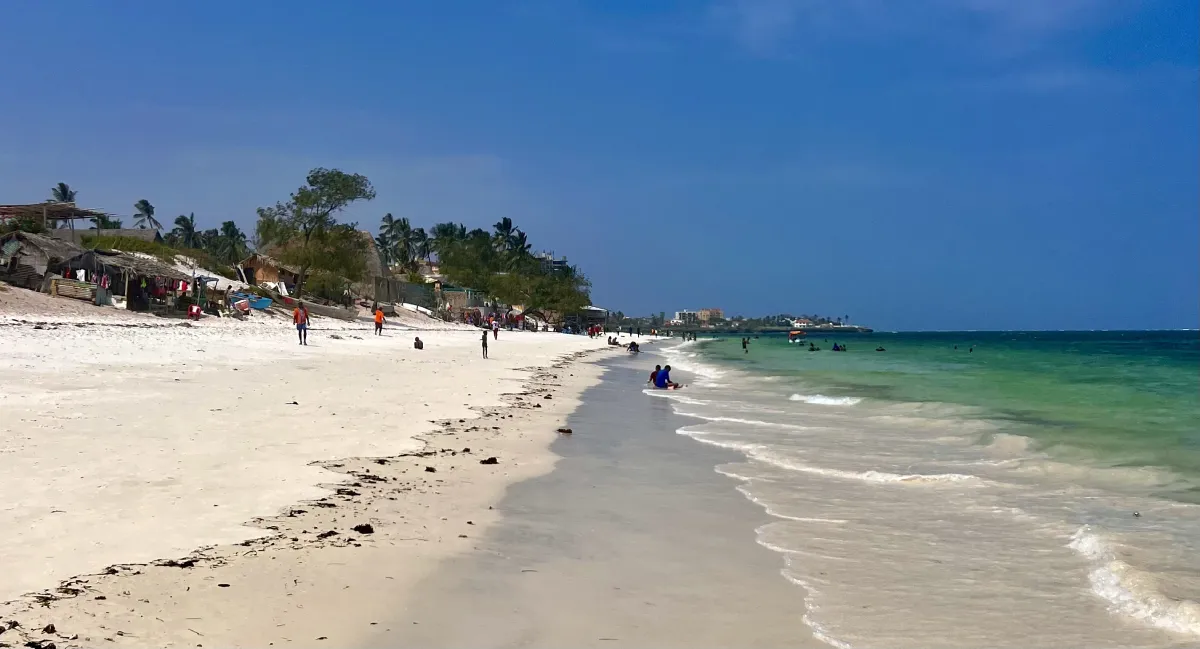
Nyali Beach: Mombasa’s Coastal Gem for Sun-Seekers and Serenity Lovers
Nyali isn’t just another beach—it’s a coastal lifestyle statement. Located just across the Nyali Bridge from the hustle of Mombasa Island, this upscale neighborhood delivers a perfectly calibrated blend of tropical leisure and urban convenience. With wide, palm-fringed roads, swanky beach resorts, stylish Airbnbs, high-end malls, and a laid-back rhythm of life, Nyali Beach has become Mombasa’s favorite seaside escape. It’s where long weekends turn into extended stays, and where visitors return not just for the views—but for the vibe. Whether you’re a sun-worshipper chasing the perfect tan, a foodie exploring Swahili fusion, or a traveler looking for balance between adventure and calm, Nyali wraps it all in one salty, sunlit package—effortlessly sophisticated, yet unmistakably Kenyan.
The Nyali Beach Experience
Nyali Beach is long, clean, and blessed with soft white sands and warm Indian Ocean waters. Unlike other touristy spots where the beach is overrun with vendors or jammed with resorts, Nyali manages to maintain a sense of space and serenity. The atmosphere is relaxed, with locals and travelers alike strolling the shore, jogging at dawn, or enjoying impromptu volleyball matches. The beach is swimmable during most tides, and the coral reef offshore keeps the waves gentle near the shore.
The morning hours belong to dog walkers, joggers, and yoga enthusiasts who set up their mats close to the water’s edge. By late morning, the beach starts filling with families, sunbathers, and water sports operators. Paddleboards, jet skis, and banana boats are easily available from trusted local vendors, while glass-bottom boats take curious visitors out to explore the reef.
Snorkeling near the reef offers a view into the Mombasa Marine National Park’s underwater wonders—colorful fish, sea urchins, corals, and even the occasional turtle. For those with diving certification, several Nyali-based dive centers organize excursions deeper into the marine park. The water clarity is usually best in the early mornings, and the reef system here is among the most accessible in East Africa.
Beach vendors at Nyali are relatively low-pressure. You’ll be offered madafu (fresh coconut water), grilled maize, beach sarongs, and handmade beadwork. A polite “no, asante” is usually respected. If you’re interested, haggling is expected—and often, half the fun.
Things to Do in Nyali
Mamba Village
East Africa’s largest crocodile farm, Mamba Village is one of Nyali’s most famous attractions. It’s home to hundreds of crocodiles in various stages of life—from baby hatchlings to massive adults that look like prehistoric tanks. The highlight for many is the daily feeding session, where massive jaws snap down on hunks of meat with a sound that’s impossible to forget. The park also features a botanical garden, camel rides for kids, a curio market, and a restaurant that—controversially—serves crocodile meat. Love it or leave it, Mamba Village is uniquely Nyali.
Wild Waters Kenya
Located just off Links Road, Wild Waters is a family-friendly water park that offers a break from the beach without giving up on the fun. The park has a wide variety of water slides, a wave pool, splash areas for kids, and even a lazy river. It’s a top weekend attraction for local families, so weekdays are best for avoiding crowds. The food court inside sells classic Kenyan fast food—think fries, sausages, burgers, and fruit juice. Tickets are affordable, and the park is well-managed with safety guards on duty.
Nyali Golf and Country Club
For travelers who like to swap their sandals for spikes, Nyali Golf Club provides one of Kenya’s most scenic golf experiences. This 18-hole course, established in the 1930s, is shaded by mature trees and offers sea breezes that make even the toughest holes feel bearable. Day visitors are welcome, and rentals are available. The clubhouse serves cold beer, hearty post-game meals, and boasts colonial charm in both service and setting. Even if you don’t play, the serenity and setting are worth a lunch visit.
Mombasa Marine National Park

Mombasa Marine National Park Snorkeling and diving at the Mombasa Marine Park can be arranged through several experienced operators based right in Nyali. Glass-bottom boats pick up directly from Nyali Beach and cruise out into the crystal-clear waters of this protected marine sanctuary, where fishing is strictly prohibited and coral life flourishes undisturbed.
The reef is vibrant and teeming with more than 200 species of fish, dolphins, octopuses, sea turtles, rays, and the occasional reef shark gliding by. Expect a kaleidoscope of parrotfish, angelfish, and anemones beneath the surface. Visibility is best between January and March when the waters are calm and the sunlight penetrates deep into the reef, though tours are available year-round, depending on sea conditions. Whether you’re a seasoned diver or a first-time snorkeler, Mombasa Marine Park offers a rewarding glimpse into Kenya’s rich underwater world just minutes from the Nyali shoreline.
Eat Your Way Through Nyali
Upscale Dining and Iconic Views

Fine dining and exquisite seafood at the Tamarind Restaurant Tamarind Mombasa may be just across the creek, but it’s firmly part of the Nyali experience. With Arabian architecture, impeccable seafood, and a floating dhow restaurant, Tamarind offers fine dining in a timeless setting. Signature dishes include lobster thermidor and crab in Swahili coconut sauce. Pair with a Tamarind Martini and you’ll understand why this place is legendary.
Lookout Bar at Voyager Beach Resort is perfect for a casual drink with a view. Perched above the ocean, the bar gets breezy in the late afternoon and is the ideal place to sip something cold while watching the sun drop below the waves. The cocktails are strong, and the vibe is pure coastal Kenya.
Maroc Swahili Cuisine 001 delivers a more modern, lounge-style atmosphere with shisha, Swahili-Moroccan fusion cuisine, and live DJs on weekends. Located right by the sea, it’s perfect for sunset dinners, romantic dates, or small group meetups. Try their grilled prawns, lamb tagine, and coconut rice—you won’t be disappointed.
Global and Fusion Favorites
Misono Japanese Restaurant is one of Nyali’s most consistently good eateries. Hidden in a leafy garden off Links Road, Misono serves teppanyaki, fresh sushi, and miso soup that rivals what you’d find in Tokyo. The setting is peaceful, and service is always attentive.
Cultura is a trendy indoor-outdoor spot that brings together global flavors with a relaxed boho vibe. It’s great for brunch, cocktails, and casual dinners. Expect dishes like pulled beef tacos, beetroot hummus, and rosemary chicken wings.
Roberto’s Italian delivers hearty, authentic Italian fare with a warm and welcoming feel. It’s family-friendly and consistently busy, thanks to its classic menu of wood-fired pizzas, creamy pastas, and decadent tiramisu.
Cafesserie, located in City Mall, is more than just a café. It’s a full restaurant offering breakfast, lunch, and dinner with a continental menu. Try their eggs benedict or almond croissants in the morning and come back later for their signature beef fillet with herb butter.
Tarboush Grill and Karahi Kitchen are long-time Nyali staples that deliver on flavor and quantity. Tarboush leans into Arabic grills and shawarmas, while Karahi Kitchen serves up Pakistani and coastal Indian curries, chapatis, and naan that arrives hot and bubbling.
Street Food and Local Favorites

Mshikaki – Grilled Meat Skewers – A Street Food Classic Among Traditional Local Dishes in Mombasa No guide to eating in Nyali would be complete without highlighting its street food culture. While Nyali leans upscale, it still knows how to feed you from a plastic stool under an acacia tree.
Head to the area near Total Nyali, Nyali Cinemax, and Nyali Posta where street vendors set up in the late afternoon. Here you’ll find mshikaki (beef skewers), viazi karai (deep-fried potato bites with chili sauce), bhajias, samosas, and mutura (spiced African blood sausage). Prices are local, flavor is maximum, and hygiene is usually decent—though always judge by how busy the stall is.
Thirsty? Try fresh sugarcane juice, passion fruit juice, or a madafu—chilled coconut with a straw in it, cracked open right in front of you.
If you’re more adventurous, venture into Kongowea Market, a short tuk-tuk ride from the beach. This sprawling, chaotic market is Mombasa’s biggest and buzzes with fishmongers, spice traders, butchers, fruit sellers, and Swahili food stalls dishing up biryani, pilau, grilled fish, and tamarind chutneys.
Shopping and Local Vibes
City Mall
Nyali’s primary retail hub, City Mall, offers more than just shopping. Anchored by Carrefour, the mall includes clothing stores, electronics outlets, pharmacies, salons, a cinema, and fast food joints. It’s clean, air-conditioned, and a useful stop whether you’re staying nearby or prepping for a road trip up the coast.
Nyali Centre
Quieter and more compact than City Mall, Nyali Centre is anchored by Chandarana Foodplus and includes Java House, fashion boutiques, a bookstore, and ATMs. It’s convenient, especially if you’re staying on Links Road or Mt. Kenya Road.
Local Art and Curio Shopping
Nyali’s roadside stalls and small curio shops offer souvenirs, décor, and wearable art made by local craftspeople. Look for kikoys, lesos, beaded sandals, soapstone carvings, and colorful Tinga Tinga paintings. Some of the best vendors set up just outside the big resorts or along the stretch between Nyali Cinemax and the Reef Hotel. Don’t hesitate to haggle—it’s expected.
Where to Stay in Nyali
Luxury
Urban Waterfront: Champagne with a View at English Point Hotel EnglishPoint Marina
Although technically just outside Nyali on the creekfront, it’s close enough to count. This modern property offers luxurious waterfront apartments, a rooftop pool, private marina, fine dining, and stunning views of Fort Jesus and Old Town across the water.Voyager Beach Resort
This cruise-themed resort is one of the most established in Nyali. With three pools, themed dining nights, kids’ clubs, and an active animation team, it’s ideal for families or those who want everything handled for them. It sits directly on the beach and has expansive gardens and ocean-facing rooms.Boutique
Bliss Resort
Located along Links Road, Bliss is a solid mid-to-upscale choice with clean rooms, a pool, restaurant, and conference facilities. It’s not beachfront but is a short ride from the sand and offers good value for couples and business travelers.Sun Africa Nyali Beach Hotel
One of the few true beachfront boutique options, Sun Africa combines traditional coastal design with modern hospitality. The location is excellent for beach walks, and the rooms feel a world away from city bustle.Armaan Suites and Restaurant
Offering spacious, apartment-style suites, this property is popular with long-stay visitors and those who want a kitchenette. It’s inland but within quick reach of the beach and malls.Mid-Range

Reef Hotel Mombasa – an old classic in Nyali. Also home to the legendary Moonshine Bar Reef Hotel
A long-time fixture on the beachfront, Reef offers older but spacious rooms, a large pool, and direct beach access. It’s laid-back, family-friendly, and has an unbeatable location just steps from the sand. While it’s not luxury by modern standards, it offers nostalgic coastal charm with a touch of old-school Mombasa character.Nyali Beach Hotel
Once the toast of Kenya’s coastal elite, Nyali Beach Hotel still retains its retro grandeur. Set on a large oceanfront property with wide lawns, a massive pool, and colonial-era architecture, it’s a reminder of the beach town’s long tourism legacy.Airbnbs in All Price Ranges
Nyali’s residential charm and leafy boulevards make it ideal for Airbnb travelers. Options range from $25/night studios in secure apartments to $300/night villas with private pools and ocean views. Many properties are in walking distance to the beach, restaurants, and shopping centers. Areas around Greenwood Drive, Links Road, and Nyali Golf Club are particularly popular.
Whether you’re a solo traveler looking for a quiet crash pad or a group needing a spacious home with a pool and chef, Nyali delivers. Most listings include Wi-Fi, backup power, and security—just be sure to check reviews before booking.
Budget
Moffat Court Hotel
Clean, simple, and centrally located, Moffat Court is one of the better-known budget hotels in Nyali. Rooms are functional, air-conditioned, and come with breakfast. Great for backpackers, solo travelers, or business guests on a shoestring.Also worth considering are budget Airbnbs, homestays, and family-run guesthouses tucked into Nyali’s quiet residential streets. While they might not offer beach views or room service, they make up for it with affordability and often surprisingly warm hospitality.
Getting to Nyali
Nyali Bridge

Nyali is accessible via the Nyali Bridge, the main artery linking Mombasa Island to the mainland’s north coast. Whether you’re arriving from Moi International Airport, the SGR train, or the port, you’ll likely cross this bridge. Expect some congestion during peak hours, but the view across Tudor Creek is gorgeous—especially around sunset.
Infrastructure Developments
A second Nyali Bridge is in planning, aimed at reducing congestion and improving access for the growing number of residents and tourists.
The Northern Bypass project will eventually connect Nyali directly with Shanzu, Mtwapa, and Mombasa Airport—dramatically reducing travel time and bypassing Mombasa Island entirely. Until then, the main access remains through town or via the current bridge.
Malindi Road (B8)
Nyali lies along the Malindi Road, part of the larger B8 highway that continues up the coast toward Kilifi, Watamu, and Malindi. Recently expanded to remove a long-standing traffic bottleneck, this stretch now offers smoother access between Nyali and Mtwapa—dramatically improving travel times to and from the North Coast. The road is well-maintained, lined with businesses, fruit stalls, and local shops, and remains a vital lifeline for both commuters and tourists heading north on scenic coastal road trips.
Getting Around Nyali
Uber and Bolt
Both ride-hailing apps are available in Nyali—but don’t expect Nairobi-style professionalism. Most drivers will call you immediately after accepting the ride to ask:
- “Where exactly are you?”
- “Where are you going?”
- “Are you paying cash or card?”
If you answer “card,” brace for either a delayed pickup or a passive-aggressive cancellation. Cash is king. Card users often report getting mysteriously low ratings despite behaving impeccably.
That said, rides are affordable, especially over longer distances—say, from Nyali to Old Town or Fort Jesus. Always double-check the fare before you hop in.
Tuk-tuks
Nyali runs on tuk-tuks. These three-wheeled workhorses are perfect for beach runs, market trips, or hopping between restaurants and malls. They’re cheap, everywhere, and surprisingly fast. Prices are negotiable unless you book via Bolt, which now includes tuk-tuk options.
Matatus

More than transport – Matatus are a way of life in Kenya Matatus—the brightly colored, music-blaring minibuses that define Kenyan public transport—operate on fixed routes along Malindi Road and key arteries like Links Road. They’re cheap, frequent, and bursting with personality, often adorned with graffiti-style murals, LED lights, and booming sound systems that turn every ride into a mobile party. Inside, expect tightly packed seats, quick stops, shouted destinations, and a conductor collecting fares mid-motion. For budget-conscious travelers or those craving an authentic, boots-on-the-ground experience, matatus are a wild but rewarding way to get around. Just don’t expect air conditioning, personal space, or any sense of personal bubble—but you will get a front-row seat to the real rhythm of coastal Kenya.
Final Tips for Enjoying Nyali
Best Time to Visit
The best time to visit Nyali is during the dry seasons: from December to March and again from July to October. During these months, the skies are clear, the sea is calm, and the humidity is manageable. January through March is perfect for snorkeling and diving, thanks to excellent underwater visibility. Avoid April and May if you don’t enjoy rain—this is when the long rains fall and many beach activities may be disrupted.
Safety and Etiquette
Nyali is one of Mombasa’s safest neighborhoods, but basic street smarts still apply. Avoid walking alone at night in dimly lit areas. Leave valuables locked in your hotel safe or hidden if using an Airbnb. Beach vendors are generally polite and not aggressive—just say “hapana, asante” if you’re not interested.
Dress modestly when away from the beach. Swahili culture values respectful attire, especially near mosques and markets. A light scarf or shawl can be handy when entering certain public places or touring more traditional neighborhoods.
Tipping is customary in restaurants (5–10%) and appreciated by hotel staff, beach attendants, and taxi drivers. Kenya uses the Kenyan shilling (KES), and it’s good to carry small denominations for tuk-tuks and market purchases. Credit cards are accepted at most high-end establishments, but cash is still preferred for transport, tips, and local dining.
Internet and Connectivity
Most resorts, hotels, and Airbnbs in Nyali provide decent Wi-Fi. If you’re planning to work remotely from the coast, consider getting a Safaricom SIM card and loading it with data bundles. Coverage is excellent in Nyali, and hotspots are easy to find. Cafesserie and Java House also provide good internet for digital nomads looking to work over coffee.
Why Nyali Is Mombasa’s Sweet Spot
What makes Nyali special isn’t just the beach—it’s the feeling of having everything within reach. It’s the place where upscale blends with authentic, where you can have seafood risotto for lunch and samosas from a roadside stall for dinner. Where your mornings can start with yoga by the ocean and end with shisha under the stars. And it’s all just 15 minutes from the city center.
Nyali manages to walk the line between tourist-friendly and residentially rooted. You won’t find the tourist circus of Diani here, nor the sleepy remoteness of Watamu. Instead, you’ll find a neighborhood that pulses with local life but knows how to welcome visitors—with warmth, with taste, and with just enough tide.
It’s where Mombasa’s elite live, where expats settle in long-term, and where in-the-know travelers return again and again. There’s a reason digital nomads, beach lovers, honeymooners, and even Nairobians escaping the capital all flock here.
Nyali isn’t trying to be a secret. It’s just comfortably confident that if you give it one day, you’ll stay for five.
So, What Are You Waiting For?
Grab your sunscreen, pack a kikoy, and let Nyali Beach welcome you with sea breeze, grilled fish, and a sunset that makes you forget every reason you ever had to rush.
Whether you’re coming for a few days or planning a longer stay, Nyali will meet you where you are—and take you where you need to be.
-
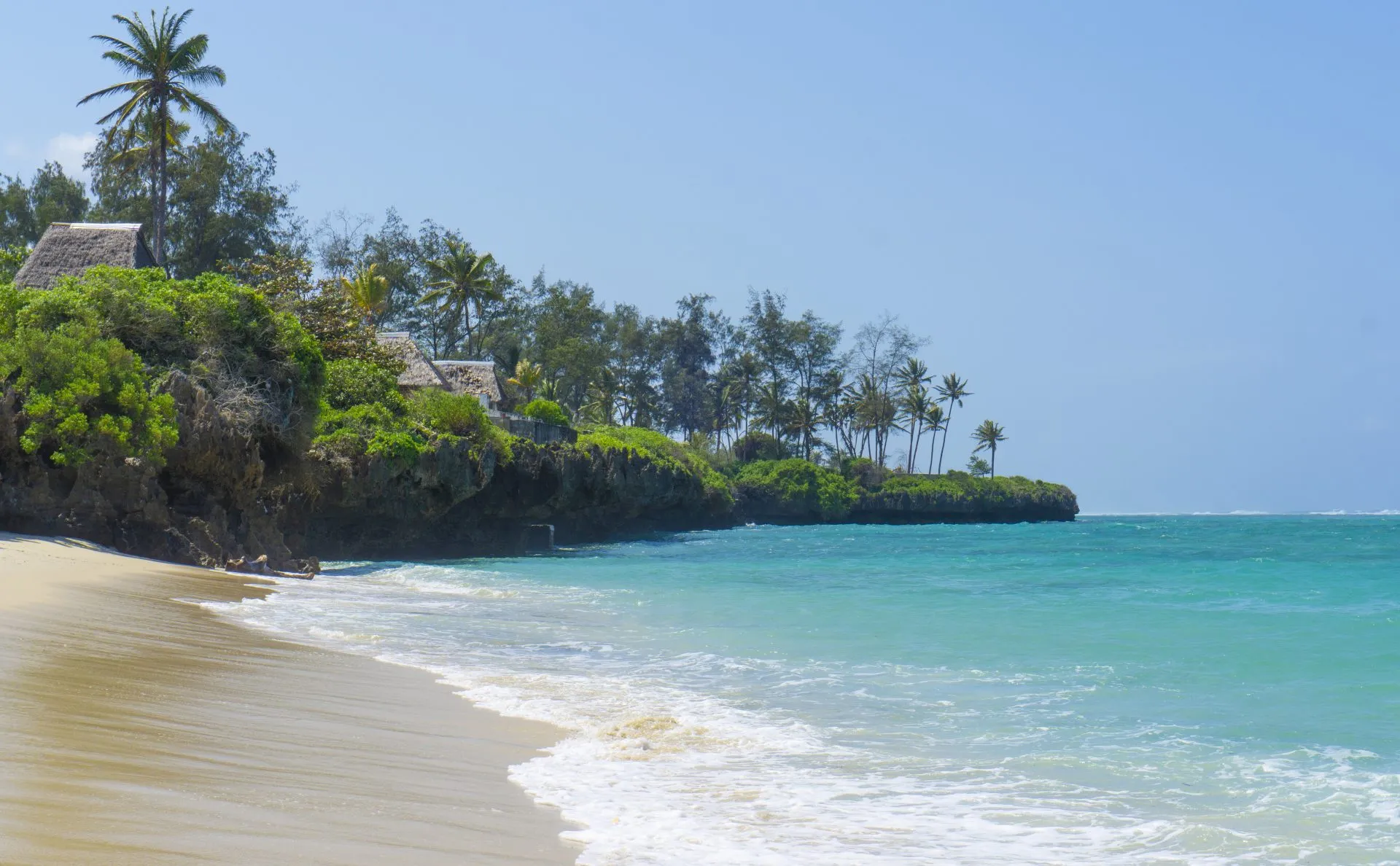
Hidden Beach Gems Near Mombasa You’ve Never Heard Of
Travelers drawn to Kenya’s coastline often land in the familiar: Nyali, Bamburi, or Diani. These beaches are beautiful, no doubt—but they are also known, crowded, and increasingly commercial. For the seasoned traveler or local explorer who yearns for something quieter, more authentic, and far from the crowds, the coast still holds secrets. This post is your guide to the hidden beach gems near Mombasa that remain untouched, less developed, and steeped in raw coastal magic.
These aren’t just quiet beaches. They are hidden pockets of paradise, often known only to locals or the most adventurous of travelers. They offer solitude, scenery, and a glimpse into the coastal culture before tourism swept through. If you crave beaches without resorts, music, or motorboats—if you seek the undiscovered, the off-the-beaten-path, and the sincerely secret—this guide was written for you.
We begin in the south, just beyond the ferry, and trace a path through forgotten inlets, cliff-edged coves, and gold-dusted shores.
Tiwi Beach – A Hidden World Before Diani

Tiwi Beach – a Serene and Peaceful Hidden Gem, Just South of Mombasa Just 10 kilometers north of Diani lies Tiwi Beach, an unspoiled alternative to Kenya’s most famous southern beach destination. While Diani bursts with activity, Tiwi is its hidden twin—peaceful, authentic, and raw.
A Quiet Escape with Natural Pools
The appeal of Tiwi is in what it lacks: no beach clubs, no music, no sunbed-rental touts. Instead, you’ll find long stretches of white sand shaded by coconut palms and bordered by a wide coral reef. At low tide, hidden rock pools emerge, forming a mosaic of warm saltwater aquariums teeming with crabs, gobies, and sea urchins. These natural tidal pools are perfect for relaxed snorkeling or just soaking with the reef at your feet.
Self-Catering Serenity
Tiwi doesn’t cater to the package tourist. Here, it’s self-catering cottages, private beachfront homes, and a few locally run guesthouses. If you bring your own food and gear, you can stay for days without seeing another visitor. It’s a true hidden beach gem, perfect for travelers who want to disappear for a while.
How to get there: From Mombasa, take the Likoni Ferry and follow the road south. Just before Ukunda, turn toward Tiwi Beach via a rough coral track. 4WD is helpful but not essential in the dry season.
Gazi Beach – Mangroves, Dolphins, and Seclusion
South of Diani, just past Msambweni, lies Gazi Beach, a hidden shoreline tucked behind one of Kenya’s most successful community conservation projects. Most people visit Gazi for the mangrove boardwalk—fewer make it to the quiet beach that lies beyond.
The Gazi Women’s Mangrove Project
This remarkable initiative, run entirely by local women, maintains a raised boardwalk through Gazi Bay’s vast mangrove forest. Along the way, visitors learn about climate mitigation, local ecosystems, and traditional medicine. It’s not just eco-tourism—it’s local empowerment in action.
A Beach Worth the Detour
Once you pass the mangroves, a sweeping hidden beach opens before you. No hotels. No hawkers. Just mangroves to one side, gentle surf to the other, and a silence interrupted only by seabirds and wind. This off-the-beaten-path shoreline is ideal for long walks, shell collecting, and spotting dolphins offshore—particularly in the early morning. While Gazi’s dolphin activity isn’t as famous as that of Kizimkazi in Zanzibar, local fishermen and guides often report regular sightings, making it a rewarding and far less crowded alternative for marine wildlife enthusiasts.
Pro tip: Pack food and drinks; there are no services on the beach. Local guides are available for creek walks and dolphin tracking.
How to get there: Continue south past Ukunda, then turn off at Gazi town. Follow the road past the boardwalk entrance to the beach area.
Kijangwani Beach – A Secret Lagoon on the South Coast
Hidden between Waa and Shelly Beach is a crescent of sand few travelers ever find. Kijangwani Beach is a shallow, reef-protected inlet known mainly to locals—and barely marked on any map.
Calm Waters and a Cliffside View
Unlike the open surf of most southern beaches, Kijangwani is tucked within a protective reef that creates lagoon-like conditions. During low tide, the water retreats gently to reveal warm rock pools and rippling sandbars. Framed by cliffs and dotted with canoes, this hidden beach is a photographer’s dream.
No Development, Just Nature
There are no hotels or restaurants here. Instead, you’ll find fishermen preparing their nets, families collecting shellfish, and a few children splashing in the calm surf. It’s a quiet beach where you can spend an entire day with little more than a towel and some sunscreen.
How to get there: Head south past Likoni and turn off the main road near Waa. You may need to ask locals for directions—Kijangwani isn’t signposted.
Kanamai – Where Coastal Kenya Feels Undiscovered
Just a short drive north of Mombasa lies Kanamai, a stretch of beach that remains strikingly hidden despite its proximity to the city. Sandwiched between the better-known Shanzu and Kikambala areas, Kanamai is a place of windswept sands, local fishing boats, and raw, unfiltered atmosphere. It’s not completely untouched—but it still feels unknown.
A Beach Defined by Everyday Life
Kanamai’s charm comes from its quiet continuity. Here, fishermen paddle out before sunrise, children play barefoot in the sand, and herders sometimes guide goats along the dunes. Life here isn’t staged for visitors—it simply continues. And that’s what makes this hidden spot so compelling. It’s real.
Sand, Wind, and Endless Space
The beach stretches for miles, often with no one in sight. During low tide, the water recedes dramatically, leaving behind shallow pools and sculpted patterns in the sand. There are no beach beds, no bars, and no noise. Just space—space to think, to breathe, to walk.
While not the most scenic of Kenya’s shores in the traditional sense, Kanamai is a hidden gem for those who love wide-open coastal space and the raw textures of local life.
How to get there: Drive north from Mombasa past Shanzu. Turn off the main highway at Kanamai and head toward the ocean. Access roads are rough in some parts, but accessible by regular car during dry weather.
Takaungu – Rugged, Wild, and Completely Undiscovered

Takaungu is not a resort town. It’s a former Swahili settlement on the north coast, a short drive from Kilifi, and home to one of the most dramatic, hidden beaches in Kenya. Here, cliffs drop into the ocean, rock pools fill with tidewater, and the wind moves like a voice through the baobab trees.
A Beach with Raw Coastal Power
The beach at Takaungu is not built for sunbathing. It’s jagged, carved by waves, and wild in every sense. But it’s also beautiful—one of the few places where the Kenyan coast feels more like a personal revelation than a travel destination.
History and Solitude
The town itself is small and traditional. Coral-stone homes and mosques hint at centuries of Swahili culture. There are no resorts or restaurants. Visitors must bring everything they need—and take it all back.
Takaungu’s hidden beach is for travelers who find beauty in erosion, in the age of a stone wall, in the smell of seaweed and salt.
How to get there: From Mombasa, drive north toward Kilifi. Just before the bridge, take the Takaungu turn-off and follow the dirt road. It’s rough, but passable with a saloon car in dry weather.
Mnarani – Swahili Ruins Overlooking a Secret Creek

Just across the Kilifi Bridge, Mnarani is one of the few places on the coast where centuries of history and untouched coastline meet in silence. Most visitors stop at the ruins and never realize a hidden gem lies just below.
Ancient Architecture and a Quiet Shore
The Mnarani Ruins date back to the 14th century and include a coral-stone mosque and several Swahili tombs. Standing above Kilifi Creek, the site offers panoramic views of mangroves and still water. Few travelers know that a narrow trail behind the ruins leads down to a secluded, quiet shoreline—a rare blend of history and solitude.
A Spot for Kayaking and Paddleboarding
The calm waters of the creek are perfect for paddling. A handful of boutique lodges nearby rent out kayaks and SUP boards, and in the early mornings, the inlet becomes a mirror of sky and green. You can paddle past fishermen casting nets or drift into narrow mangrove tunnels where birds nest in silence.
How to get there: Cross Kilifi Bridge heading north, then loop down into Mnarani village. Park near the ruins and ask a local for directions down the cliff trail.
Mambrui – Where the Dunes Meet the Sea

The Golden Sand Dunes of Mambrui – a Hidden Beach North of Malindi North of Malindi lies one of Kenya’s most cinematic coastal locations—Mambrui. Golden dunes, a timeless Swahili village, and a vast stretch of surf-pounded sand come together in a location so undiscovered, it still feels like a frontier.
The Beach That Shimmers Like the Sahara
Mambrui’s defining feature is its golden sand, which drifts into smooth dunes inland. This is one of the only places on Kenya’s coast where the shoreline resembles a desert—burnished, windswept, and expansive. It’s not just a place to relax. It’s a place to be awed.
A Swahili Town Lost in Time

Mambrui – a beach far off the beaten path Mambrui’s history stretches back to the 11th century. Archaeological digs have uncovered Chinese porcelain shards and ancient Islamic architecture, pointing to trade routes that reached deep into Asia. Today, the village is a quiet maze of coral-stone homes and narrow alleys where life continues as it has for centuries.
There are no big hotels here—just a few modest guesthouses and eco-lodges with sand paths leading straight to the water. It’s the definition of an off-the-beaten-path destination.
How to get there: About 15 km north of Malindi. Follow the tarmac road until it becomes dirt, then head through Mambrui village to the coast. A 4WD is recommended during the rainy season.
Kuruwitu – Where Community and Conservation Meet
Hidden near Vipingo, Kuruwitu is home to one of Kenya’s most successful grassroots conservation initiatives. What started as a local effort to stop reef degradation has become a model marine sanctuary—and a peaceful coastal escape in its own right.
A Living Reef Protected by the Community
In 2003, local elders in Kuruwitu banned fishing along a 30-hectare section of the reef. The result? Marine biodiversity has rebounded spectacularly. Today, snorkelers can spot vibrant corals, sea turtles, parrotfish, and more—just meters from the shore.
A Quiet Place With a Purpose
Kuruwitu doesn’t have the powder-soft sand of the southern coast, but it offers something else: a quiet, ethically protected coastline with clean water, a gentle reef, and shady coves for cooling off. There’s no music, no crowds—just rustling casuarinas and the splash of fish below.
Supporting Local Stewardship
For a small fee, you can join a reef walk or snorkeling tour led by community guides. Proceeds fund environmental education, cleanup efforts, and reef monitoring. Few places offer such a seamless blend of conservation and tourism.
How to get there: Drive north from Mombasa toward Vipingo Ridge. The turn-off to Kuruwitu is unmarked, so use Google Maps or local directions.
Ngomeni – A Port Forgotten by Time
Ngomeni, located north of Malindi, was once a major Swahili trading post. Today, it’s barely a dot on the map—but the remnants of mosques and coral-stone houses remain, hidden behind dunes and saltbrush. And just beyond lies one of Kenya’s most mysterious stretches of coastline.
Coastal Silence and Archaeological Echoes
There’s something ghostly about Ngomeni. The wind picks up in the afternoon and sweeps across wide open sand, whispering through half-buried ruins. The water here is rougher than in more popular areas, but the drama of the setting makes it one of the coast’s most memorable hidden locations.
Unfiltered and Unknown
There are no signs pointing the way. No tour buses. No restaurants. Just a rough road, a few crumbling buildings, and the endless sea. It’s not for everyone—but for those who find poetry in erosion and silence, Ngomeni is unforgettable.
How to get there: Best approached from Malindi via Marereni Road. The final stretch is rough, so a 4WD is helpful. This can be combined with a trip to the Sabaki River Delta nearby.
Why These Places Are Still Hidden
These secret gems haven’t been overrun because they’re not easy to find. Reaching them often means bad roads, no signage, and an absence of amenities. But that’s exactly why they remain intact. They’ve been spared by the absence of convenience—and as a result, they still feel sacred.
They’re quiet because they haven’t been monetized. They’re hidden because they haven’t been marketed. They’re off-the-beaten-path because they haven’t been paved over with brochures.
For the traveler who’s seen Diani and snorkeled Nyali, these places offer the chance to fall in love with the Kenyan coast all over again.
How to Explore these Hidden Beaches Responsibly
With great discovery comes great responsibility. These hidden beaches near Mombasa are beautiful precisely because they haven’t been overrun. If you’re fortunate enough to experience them, here’s how to make sure you don’t leave a footprint that changes them forever.
Leave Nothing Behind
Many of these beaches don’t have trash bins—or anyone to clean them. That means what you leave behind stays behind. Always carry out your garbage, including food scraps, plastic bottles, and sunscreen packaging. Better yet, bring reusable containers and reef-safe sunblock.
Respect Local Communities
Most of these off-the-beaten-path locations are part of or adjacent to traditional villages. These are not private resorts—they are people’s homes. Dress modestly when walking through inhabited areas, greet people respectfully, and ask before taking photographs.
If you buy something—whether it’s a snack from a kiosk or a guided walk—you support the local economy and encourage communities to preserve their natural surroundings.
Don’t Geotag or Over-share
It might seem harmless to post that perfect shot with a geotag—but doing so can turn a secret beach into a social media hotspot overnight. If you must share, consider skipping exact location tags or use vague captions. Let others find it through exploration, not algorithms.
Avoid Overloading Fragile Ecosystems
Mangroves, coral reefs, and tidal pools are delicate systems. Don’t trample corals while snorkeling. Stay on trails where they exist. Resist the urge to collect shells or touch marine life. It’s a hidden world, and it thrives best when left intact.
Mombasa’s Hidden Coast Still Exists—For Now
In a world where most travel feels curated and every destination has been reviewed to death, the Kenyan coast still offers a few secrets. These hidden beach gems near Mombasa don’t appear on top 10 lists or influencer reels. They aren’t polished, predictable, or ready-made for selfies. They are wild. They are quiet. They are real.
From the desert dunes of Mambrui to the mangrove-fringed shallows of Gazi, each location on this list offers more than just beauty—it offers connection. To place. To people. To a different way of experiencing the coast.
So, if you’ve already walked Nyali’s promenade and danced in Diani, maybe it’s time to go further. To drive down that unmarked road. To follow the path that disappears behind the baobabs. To find your own hidden beach, and to let it change the way you see this coast forever.
Because sometimes, the best parts of the world are the ones still waiting to be discovered.
-
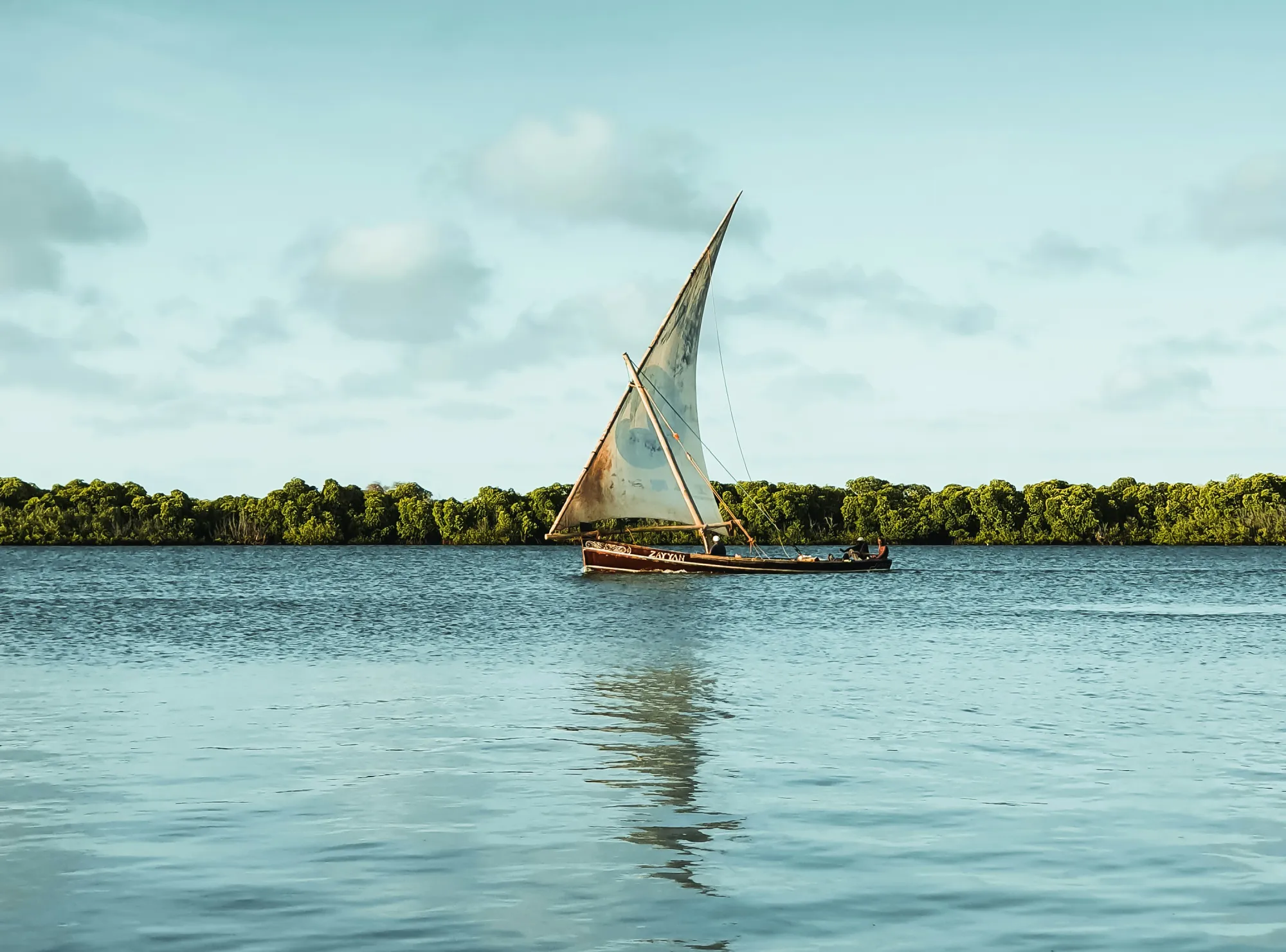
Unforgettable Day Trips from Mombasa: Coastal Safaris, Wildlife Thrills, and Coral Islands
When most travelers think of Mombasa, they picture beaches—long, sun-drenched shores lined with palms and hammocks swaying to the sound of the tide. But the real magic begins when you venture beyond the city. Mombasa isn’t just a destination—it’s a springboard to some of the most exhilarating and culturally rich adventures on the Kenyan coast.
From coral reefs and cloud forests to elephant sanctuaries and ancient ruins, the surrounding region offers a wide array of day trip options that are as diverse as they are unforgettable. Whether you’re the kind of traveler who hikes volcanoes, snorkels with sea turtles, or digs deep into the layers of history carved into coral stone, you’ll find something here to stir your soul.
These are not your average quick outings. These are day trips for curious explorers, for wanderers who chase meaning along with adrenaline. Each one offers something different—and each one is within striking distance of Mombasa.
Let’s get into the best day trips from Mombasa—from the easy and relaxing to the wild and rugged.
Diani Beach – A Dreamy Day Trip to the South Coast

Diani Beach – Repeatedly ranked as the “Best Beach in Africa” by Wordl Travel Awards. A dream destination for a day trip from Mombasa If you only have time for one day trip from Mombasa, Diani Beach is the classic choice. Just far enough to feel like an escape, but close enough to be completely doable in a day, it’s where luxury meets laid-back coastal charm.
A Ribbon of White Sand and Turquoise Tranquility
With its blindingly white sand and warm Indian Ocean waters, Diani Beach stretches for over 17 kilometers and is framed by palm groves, coral reefs, and boutique beach resorts. It’s frequently ranked among Africa’s best beaches—and it’s easy to see why.
But this day trip isn’t just about lounging under a parasol. For the more adventurous, Diani is an open-air playground.
What to Do in a Day
Kick off your morning with a sunrise walk along the shore or a beachfront breakfast at Nomad or Ali Barbour’s. If you’re in the mood for action, you can rent a kayak, go paddleboarding, or take a camel ride along the surf line.
Snorkeling tours leave from nearby Galu Beach, while deeper marine adventures—like scuba diving or dolphin spotting—can be arranged on the spot.
Want a taste of the wild? The Colobus Conservation Center offers short guided walks to learn about local primates and conservation efforts.
Getting There and Back
Diani is about 35 kilometers south of Mombasa, and travel typically involves a scenic ferry ride across the Likoni Channel followed by a 45-minute drive. Expect the entire journey to take around 1.5 to 2 hours each way. For a smoother day trip, consider hiring a driver or booking a transfer with a local tour company.
Shimba Hills National Reserve – A Forest Safari Unlike Any Other
Just an hour and a half from the city, Shimba Hills offers one of the most rewarding day trips from Mombasa—especially for those seeking a nature fix and some light adventure.
A Different Kind of Safari
While Shimba Hills might not offer the big cat sightings of Tsavo, it has something far rarer: Sable antelope. This is the only place in Kenya where you can reliably spot them, and their majestic horns and sleek black coats are a true prize for wildlife enthusiasts.
The reserve also hosts elephants, giraffes, warthogs, and over 100 bird species. The cooler highland climate and misty forest trails offer a totally different safari vibe than the dusty plains to the north.
The Sheldrick Falls Hike
One of the highlights of this day trip is the guided hike to Sheldrick Falls—a 21-meter cascade hidden in the forest. The trail winds through thick vegetation, and the sound of rushing water grows louder with every step. At the base, there’s a pool perfect for cooling off after the sweaty trek.
Wear good shoes and bring water. The terrain can be muddy and steep in parts, but the reward is well worth it.
Planning Your Visit
The park entrance is about 45 kilometers southwest of Mombasa, and the roads are generally in good condition. You’ll want to arrive early to maximize your game viewing chances. Entry fees are modest, and guides can be arranged at the gate.
Pack a picnic, or stop by the Shimba Hills Lodge for lunch with a panoramic view of the valley below.
Wasini Island and Kisite Marine Park – The Ocean Adventure of a Lifetime

Wasini Island For marine lovers, this is the day trip of dreams. Think: dolphins, coral gardens, traditional dhows, and Swahili seafood—all in one excursion.
A Dhow to Kisite: Where the Wild Ocean Lives
The journey begins in Shimoni, a small fishing village about 3 hours south of Mombasa. From there, you’ll board a wooden dhow and sail toward Kisite-Mpunguti Marine Park, one of Kenya’s most vibrant underwater ecosystems.
This marine protected area is bursting with biodiversity—parrotfish, sea turtles, angelfish, stingrays, and more. Dolphins often race alongside the boats, and during the July–October humpback whale season, you might even spot a breaching giant.
Snorkeling here is simply world-class.
The Wasini Island Experience
After your ocean safari, the dhow drops anchor near Wasini Island, a rustic, car-free island where Swahili culture thrives. Here, you’ll enjoy a traditional seafood lunch—crab, coconut rice, chapati, and fresh fruit—all served in an open-air setting.
You can also visit the Wasini Coral Garden and the Shimoni Slave Caves, both of which offer sobering insight into the area’s history.
How to Make It Happen
Most visitors book this day trip through local operators who include transport, lunch, park fees, and guided snorkeling. While it’s a long day (expect 12 hours total), it’s packed with unforgettable moments—and well worth the early wake-up.
Mtwapa and Jumba la Mtwana – Hidden History and Creekside Culture

Just north of the city lies one of the most underrated day trips from Mombasa—a mix of archaeological mystery, vibrant nightlife, and natural beauty.
Discovering the Ruins
Tucked away in a coastal forest outside Mtwapa, Jumba la Mtwana is a 14th-century Swahili village frozen in time. The ruins include mosques, houses, and tombs made from coral stone and shaded by massive baobabs.
Unlike larger historical sites, Jumba is serene and uncommercialized. You’re likely to have the place to yourself, with only the sea breeze and chirping birds for company.
Mtwapa: Lively, Local, and Unexpected
Mtwapa town is a cultural mash-up—equal parts Swahili, coastal urban, and nightlife haven. After your archaeological walk, head to La Marina or the floating Moorings Restaurant for a cold drink and seafood lunch right on the creek.
If you want to extend the day trip into the evening, Mtwapa comes alive after dark with bars, live music, and coastal party vibes.
Easy Access
This is one of the simplest day trips from Mombasa—just a 30-minute drive from the city center. You can use a taxi, Uber, or matatu, depending on your comfort level. It’s the ideal low-effort, high-reward adventure.
Vipingo and Kuruwitu – Luxury Meets Sustainability on the North Coast
Travelers looking for something upscale yet eco-conscious will love this unique day trip to Vipingo and Kuruwitu.
Kuruwitu Marine Conservancy: A Model for Ocean Protection
Located just beyond Kilifi, Kuruwitu was the first community-run marine protected area in Kenya. Here, you can snorkel in crystal-clear shallows brimming with healthy coral and darting reef fish.
Strict visitor limits keep the reef healthy and your experience intimate. You can also opt for guided reef walks or kayaking trips, all run by local conservationists.
Vipingo Ridge: Style, Scenery, and Serious Chill
Nearby Vipingo Ridge is a private estate that feels worlds away from the bustle of Mombasa. With a golf course overlooking the Indian Ocean, horse riding trails, a private beach club, and top-tier restaurants, it’s a perfect mid-day stop.
Whether you’re sipping wine at the clubhouse or soaking in infinity pool views, it’s the kind of day trip that feeds your soul while spoiling your senses.
Getting There
About 1.5 hours north of Mombasa by road, this area is best accessed by private car or through a guided tour. The smooth roads and coastal views make the drive a joy in itself.
Arabuko Sokoke Forest and Gede Ruins – A Dual Adventure into Nature and History

An inspiring day trip destination: The ancient Ancient Swahili City of Gede, near Watamu. A UNESCO World Heritage site since 2024. For those drawn to quiet trails, endemic wildlife, and ancient mystery, this day trip to Kenya’s coastal interior delivers in spades. Tucked between Kilifi and Malindi, Arabuko Sokoke Forest and Gede Ruins make for a deeply rewarding combination.
Walk Through a Forest Lost in Time
Arabuko Sokoke is the largest remaining fragment of coastal dry forest in East Africa. It’s an ecological treasure trove, home to some of the rarest bird species on the continent, like the Sokoke scops owl and Clarke’s weaver.
Wildlife lovers will also find bush babies, duikers, mongoose, and the peculiar golden-rumped elephant shrew—an oddball of evolution you won’t find anywhere else on Earth. Walking trails wind through dense canopies alive with birdsong, butterflies, and rustling monkeys.
For serious naturalists or those seeking solitude, this forest is a spiritual retreat.
Step into the Secrets of Gede
Just a short drive away, the Gede Ruins add historical intrigue to your day trip. This once-thriving Swahili-Arab town was mysteriously abandoned in the 17th century. What remains are moss-covered coral-stone mosques, palatial walls, and a network of tombs wrapped in forest vines.
The whole place has an atmospheric eeriness to it—especially in the late afternoon light. The guides here are passionate and often full of local legends, including stories of spirits that supposedly still wander the grounds.
Trip Logistics
Located about 2.5–3 hours north of Mombasa, this day trip works best with an early start. While you can do both sites independently, many local operators combine them into single-day cultural and eco-tour packages. Don’t forget insect repellent, a good pair of walking shoes, and a charged camera.
Tsavo East National Park – The Wild Side of a Day Trip

A lion in Tsavo East National Park Craving big game, red dust, and open savannah? Tsavo East is one of the largest game parks in the world—and it’s reachable as a day trip from Mombasa if you start early and move fast.
Into the Heart of the Wild
Tsavo is famous for its red elephants, whose skin is stained by the park’s rusty soil. But there’s more than pachyderms here. Lions, zebras, giraffes, buffalo, ostriches, and even leopards roam the bushveld, while crocodiles and hippos linger in the rivers.
Unlike other parks that can feel manicured, Tsavo is vast, rugged, and real. The landscape is raw—dotted with rocky outcrops, dry riverbeds, and wide skies. It’s the kind of place that makes you feel small in the best possible way.
Scenic Highlights
Make sure your day trip includes a visit to Lugard Falls, where the Galana River squeezes through sculpted stone channels before spilling into a pool where crocodiles often sun themselves.
Another great stop is Mudanda Rock—a massive whale-back formation where elephants and other animals gather to drink from the nearby waterhole.
Safari Planning Tips
The Bachuma Gate is about 2.5–3 hours from Mombasa. You’ll want to leave before dawn to catch morning wildlife activity. Most day trips include a private or shared 4×4 safari vehicle, a guide, packed lunch, and park fees.
While longer stays are ideal, even a single day in Tsavo leaves you with lifelong memories.
Malindi – A Coastal Cultural Circuit in a Single Day

The Vasco da Gama Pillar in Malindi Sometimes overlooked in favor of Diani or Watamu, Malindi offers a unique blend of Swahili, Italian, Portuguese, and Islamic influences—all within a lively seaside town. It’s perfect for a culture-driven day trip from Mombasa.
Explore the Landmarks
Begin your day trip at the Vasco da Gama Pillar, built in 1498 to mark the Portuguese explorer’s journey to India. Nearby, the Portuguese Chapel—still in use—is one of Kenya’s oldest churches. It’s hauntingly beautiful in its simplicity.
Swing by the town’s spice markets or take a tuk-tuk through the maze-like streets of the old town for a dose of daily life and colonial-era architecture.
Marine Park Bonus
If you didn’t get your snorkeling fix at Kisite, Malindi Marine Park offers a closer option. Hire a glass-bottom boat for a couple of hours and float over reef gardens full of fish and coral.
You can also just relax on the beach, take a dip, or grab a fresh coconut under a palm tree.
Eat Like a Local (or an Italian)
Malindi has a legendary Italian expat scene, which means the pizza and pasta are surprisingly good. Try Baby Marrow for upscale dining or Olimpia Club for chilled-out beach delights.
Or go local with Swahili seafood at Maasai Beach — a shabby chic no-frills restaurant on Silversands beach where the vibe and atmosphere make up for the simplicity, and whose culinary arts outclass many of the “finer” Italian competitors. Bonus tip: Try the coconut octopus. It is in a league of its own!
Making It a Reality
Malindi is 2.5 to 3 hours from Mombasa along a well-maintained highway. It’s a longer day trip, but with a variety of stops and experiences, it’s one of the most diverse on this list.
Haller Park and Bamburi Nature Trail – Nature Within the City
If you’re short on time or traveling with kids, this light day trip is an easy win. Just 20 minutes from central Mombasa, Haller Park and the adjacent Bamburi Nature Trail bring nature right to your doorstep.
From Quarry to Eden
Once a barren limestone quarry, Haller Park is now a thriving wildlife sanctuary. It’s home to giraffes, hippos, crocodiles, antelopes, monkeys, and a beloved family of giant tortoises.
You can hand-feed giraffes, stroll under canopies alive with birds, and visit shaded ponds filled with tilapia and turtles.
A Walk in the Trees
Next door, the Bamburi Nature Trail offers tranquil walking paths through forested gardens, small lakes, and birdwatching lookouts. It’s less wild than Haller Park but perfect for peaceful reflection or a romantic walk.
An Easy Half-Day Escape
This day trip is great for travelers who want a taste of Kenya’s biodiversity without going far. Combine it with lunch in Nyali or an afternoon at the beach to round out your day.
Entry fees are modest, and guided walks are available on-site.
Bombolulu Workshops – Where Culture, Craft, and Inclusion Meet
Not all day trips need to be about adrenaline or landscapes. Bombolulu Workshops is a powerful cultural experience that connects visitors with Kenya’s artisans—many of whom live with disabilities.
Meet the Makers
Founded as a rehabilitation project, Bombolulu has become a hub for high-quality crafts and cultural expression. You can watch artists create intricate jewelry, vibrant textiles, leather goods, and wood carvings.
Most of the staff here are physically challenged, and your visit directly supports their livelihoods.
Live Culture and Real Conversations
The workshops also include a cultural center with live dance performances, traditional homestead replicas, and storytelling sessions. It’s one of the few places in the region where you can learn about Kenya’s ethnic diversity and artistic traditions in a hands-on way.
Easy to Reach
Located in the Bombolulu suburb of Mombasa, this day trip is just 20–25 minutes from the city center. It pairs well with a morning at Haller Park or an afternoon beach visit in Nyali or Bamburi.
You’ll leave with more than just souvenirs—you’ll leave with stories.
Mombasa as Your Launchpad: Final Thoughts on Day Trips
Mombasa isn’t just a place to stay—it’s a place to start. The coast around it is full of day trip possibilities that redefine what it means to explore Kenya. You can hike to waterfalls in a forest reserve, snorkel over coral cities, trace the footsteps of ancient traders, or stare down an elephant on a game drive—all within hours of the city.
For adventurous travelers who crave more than just cocktails on the beach, Mombasa’s surroundings are your playground.
Whether you’re here for a weekend or a month, carve out time for at least one day trip—and don’t be afraid to go off the beaten path.
Because sometimes the best part of travel begins where the pavement ends.
Quick Tips for Planning the Perfect Day Trip from Mombasa
- Start Early: Most destinations require at least 1.5 to 3 hours of travel. Leave by 6:00–7:00 AM to make the most of your day.
- Pack Wisely: Sunscreen, hat, swimwear, insect repellent, walking shoes, and reusable water bottles are essential.
- Use Local Guides: Hiring a guide or booking through a local operator ensures smoother logistics and deeper insights.
- Mix It Up: Alternate nature days with cultural days. Combine long day trips like Tsavo with lighter ones like Haller Park.
- Be Flexible: Traffic, ferry delays, and weather can all affect your plans. Roll with it—it’s part of the adventure.
Your Mombasa Adventure Starts with a Day Trip
Mombasa is more than a coastal city—it’s a launchpad for unforgettable experiences. Whether you’re diving into coral gardens, chasing waterfalls through tropical forests, tracing centuries-old ruins, or spotting elephants on the savannah, the perfect day trip is always within reach.
These 8 epic day trips from Mombasa aren’t just ways to pass the time. They’re memory-makers. Each one adds a new layer to your journey, revealing the wild, the beautiful, the historic, and the unexpected sides of Kenya’s coast.
So pack your bag, set your alarm, and take that detour. Because the real magic of travel often begins the moment you leave the city behind.
And trust us—every one of these day trips is worth every minute.
-
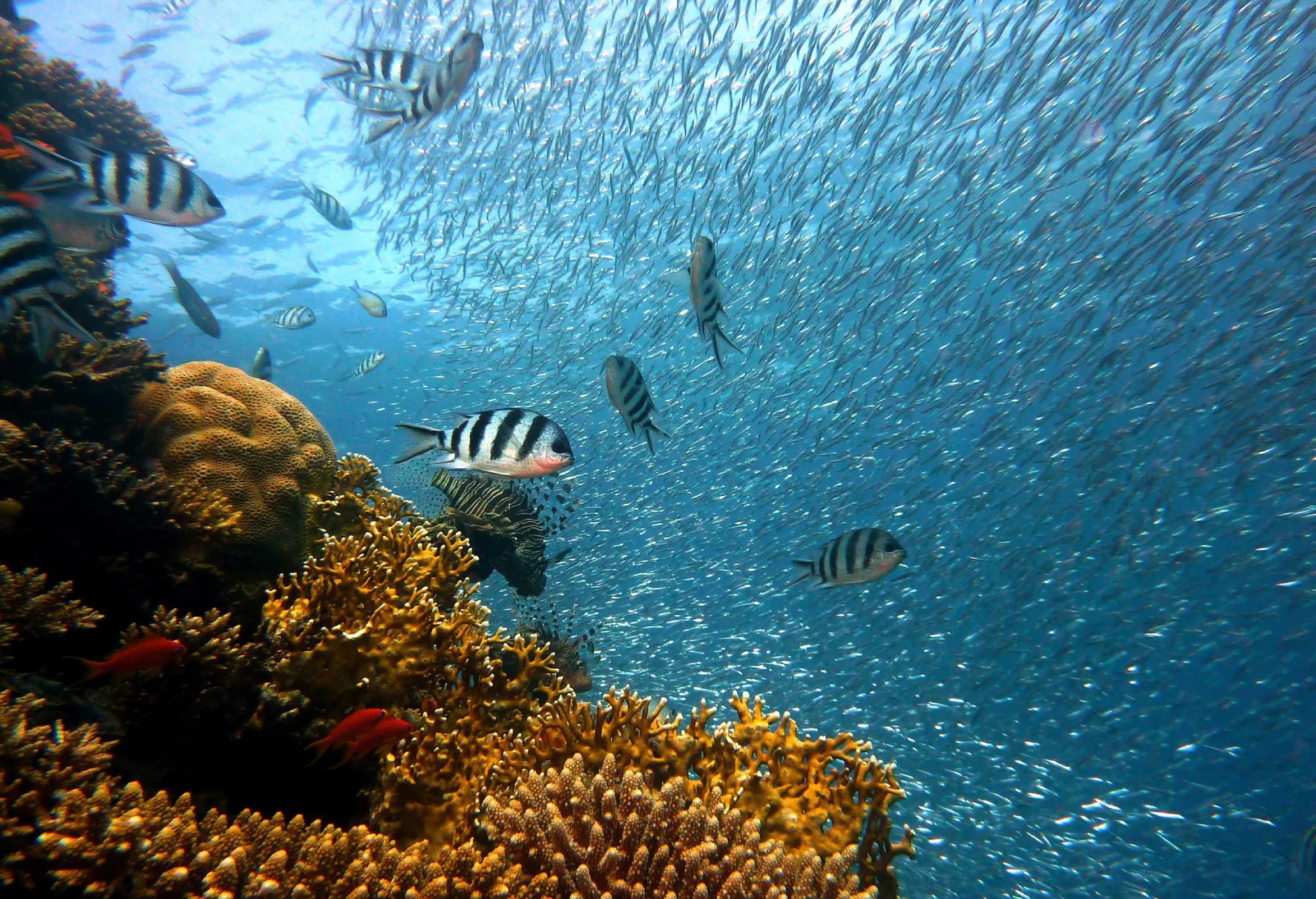
Beneath the Waves: Exploring Mombasa’s Hidden Ocean World
When it comes to marine adventures on Kenya’s coast, Mombasa is second to none. Framed by warm Indian Ocean waters, vibrant coral reefs, and thriving marine life, it’s a paradise for snorkeling and diving enthusiasts. Whether you’re new to the world beneath the waves or a seasoned underwater explorer, Mombasa offers some of the most rewarding aquatic experiences in East Africa.
Snorkeling in Mombasa is especially appealing because it’s so accessible. Shallow coral gardens, clear waters, and gentle currents make it ideal for beginners and families. Meanwhile, deeper offshore sites provide more technical challenges for advanced divers — with drop-offs, wrecks, and stunning coral walls teeming with life.
From the Mombasa Marine National Park to secret reef spots along the North and South coasts, this guide will take you through everything you need to know about snorkeling and diving in Mombasa.
Why Snorkeling and Diving in Mombasa Is So Special
A Rich Marine Ecosystem
Mombasa is part of the Coral Triangle, the most biodiverse marine region on earth. The waters here are home to over 250 species of coral, hundreds of reef fish, and fascinating marine creatures like octopus, lionfish, turtles, and rays. You’ll also find healthy populations of moray eels, nudibranchs, and sometimes even dolphins or whale sharks passing through.
Warm Waters Year-Round
With water temperatures ranging between 25°C and 29°C (77°F to 84°F), Mombasa is perfect for both snorkeling and diving at any time of the year. There’s no need for a wetsuit unless you’re diving deep or during the slightly cooler months of July and August.
Protected Marine Parks
Kenya has some of the oldest and most well-established marine parks in Africa, and Mombasa Marine National Park is among the best. These parks are protected zones where fishing and coral harvesting are banned, allowing marine life to thrive and ensuring an incredible underwater experience.
Best Snorkeling Spots in Mombasa

Mombasa Marine National Park
Easily the most popular spot for snorkeling in Mombasa, this protected area lies between Nyali and Bamburi beaches. With shallow coral gardens, calm waters, and stunning visibility, it’s ideal for all skill levels. You’ll encounter colorful reef fish like parrotfish, butterflyfish, and damselfish — often within just a few meters of the surface.
Boat tours typically leave from the beach near Voyager Beach Resort or Serena Beach Resort and take you straight into the marine park. Many operators include gear rental and a guide to help spot marine life.
Highlights: Coral gardens, angelfish, sea urchins, starfish
Accessibility: Boat access; short ride from Nyali or Bamburi
Best time: November–March for the clearest waterNyali Reef
Nyali Reef, just offshore from Nyali Beach, offers easy snorkeling right from the shore during low tide. It’s less crowded than the marine park and ideal for those who want a quick snorkel session without needing a boat.
Expect to see shallow coral heads, reef fish, and possibly sea cucumbers. This is a great spot for beginner snorkelers or families with kids.
Highlights: Accessible coral heads, calm waters
Accessibility: Walk-in from the beach
Best time: Morning hours, especially at low tideShelly Beach (South Coast)
Just across the Likoni Ferry, Shelly Beach is one of Mombasa’s quieter gems. Its calm, clear waters hide small coral patches and plenty of fish, and it’s a favorite among locals who prefer peaceful, uncrowded snorkeling.
It’s also a great entry point for snorkelers heading toward the Kisite-Mpunguti Marine Reserve near Wasini Island — although that’s technically further down the coast.
Highlights: Peaceful surroundings, less-touristy vibe
Accessibility: Ferry + local matatu or taxi
Best time: Early morning, weekdays for fewer crowdsTop Diving Sites Around Mombasa

While snorkeling in Mombasa offers a fantastic surface-level experience, diving reveals an even deeper, more colorful world. Whether you’re PADI certified or looking to do your first-ever dive, Mombasa delivers some epic underwater moments.
MV Dania Wreck (Kisite Area)
Though located further south near Diani and Wasini Island, many Mombasa dive centers offer trips to the MV Dania, a 75-meter cargo ship intentionally sunk in 2002 to create an artificial reef. It’s now teeming with life — giant groupers, barracudas, lionfish, and turtles make regular appearances.
Depth: 12–30 meters
Difficulty: Intermediate to advanced
Highlights: Shipwreck exploration, macro life, schooling fishNyali Reef Wall
Beyond its snorkeling zone, Nyali Reef drops into deeper waters that are perfect for diving. This reef wall features healthy coral growth, crevices, and overhangs that attract octopuses, lionfish, and larger pelagics on occasion.
Depth: 8–22 meters
Difficulty: Beginner to intermediate
Highlights: Reef wall, coral bommies, nudibranchsCoral Gardens & Lagoon Sites (Mombasa Marine Park)
Many of the shallower lagoon sites within the marine park are diveable too — especially great for introductory dives or refresher courses. Expect lots of sunlight filtering through the water, coral patches, and swarms of small reef fish.
Depth: 4–10 meters
Difficulty: Beginner
Highlights: Shallow dives, ideal for trainingDive Shops and Snorkeling Operators in Mombasa
Several reputable centers around Mombasa offer both diving certifications and daily snorkeling trips. Look for operators with PADI or SSI affiliation and good reviews.
Buccaneer Diving
One of Kenya’s most established dive centers, Buccaneer Diving is based at Voyager Beach Resort in Nyali. They offer guided dives, refresher courses, full PADI certification, and regular snorkeling excursions.
Services: Diving, snorkeling, training
Website: buccaneerdiving.com
Location: NyaliBaracuda Diving
Baracuda is a small but well-rated dive center operating out of Bamburi Beach. They specialize in personalized dive trips and group snorkeling tours. Their guides are known for being especially helpful with beginners.
Services: Intro dives, reef diving, snorkel tours
Location: BamburiKenya Diving Academy
Catering more to the south coast but often partnering with Mombasa hotels, KDA offers trips to deeper dive sites like Kisite and MV Dania. They also run dive safaris for serious underwater explorers.
Services: Advanced diving, dive safaris, equipment rental
Location: Mobile bookingsWhen to Go: Best Time for Snorkeling and Diving in Mombasa
Snorkeling and diving in Mombasa are possible all year round, thanks to consistently warm waters and a tropical climate. However, some months offer better conditions than others for visibility, marine encounters, and overall comfort in the water.
The best time to visit for underwater activities is between November and March, when the seas are at their calmest and visibility can reach up to 30 meters — ideal for both reef snorkeling and deeper dives. During this period, you’re also more likely to spot a greater variety of marine life due to the clearer water and warmer conditions.
From June to August, the waters remain diveable, but conditions can be a bit cooler and the sea may be slightly choppier. That said, it’s still a good time to visit if you don’t mind a bit of motion and want to avoid the holiday crowds.
It’s generally best to avoid April and May, which mark the peak of the long rains season. Heavy rainfall and wind during these months tend to stir up sediment, reducing underwater visibility and making sea conditions less predictable. Many operators scale down their activities during this time, so it’s worth planning around it if snorkeling or diving is a priority on your trip.
Marine Life You’ll Encounter

Whether you’re snorkeling in the shallow lagoons or diving the deeper reefs off Mombasa’s coast, the underwater biodiversity is truly remarkable. Kenya’s coastal waters are part of the larger Western Indian Ocean marine ecoregion, offering a mosaic of species found nowhere else.
Fish Species Galore
Expect to swim alongside schools of yellowtail snappers, sergeant majors, parrotfish, wrasses, and triggerfish. You’ll also spot lionfish fanning their spines near coral heads, groupers resting in crevices, and needlefish darting near the surface.
Snorkelers often see clownfish dancing in anemones and the occasional pufferfish cruising through coral gardens. For divers, encounters with barracudas, trevallies, and blue-spotted stingrays add to the thrill.
Larger Encounters
While not guaranteed, lucky divers might spot hawksbill turtles, green sea turtles, or even reef sharks around deeper reefs and wrecks. Seasonal sightings of whale sharks and dolphins also occur, especially in areas closer to Wasini and Kisite.
Coral and Invertebrates
The coral gardens off Mombasa include both hard and soft coral species. Staghorn, brain, mushroom, and plate corals dominate the reef structures, creating complex habitats for marine life. Watch closely for octopuses, nudibranchs, starfish, and the colorful Christmas tree worms that disappear with a flick.
Snorkeling vs. Diving in Mombasa: Which One’s Right for You?
Both activities offer an amazing glimpse into the Indian Ocean’s underwater world, but the right one for you depends on time, budget, comfort level, and experience.
Snorkeling: Easy, Affordable, Family-Friendly

Snorkeling is ideal for casual travelers, families, and those who want to experience marine life without special training or certification. The shallow coral gardens of Mombasa Marine Park or Nyali Reef are perfect for beginners and kids, requiring nothing more than a mask, snorkel, and fins.
It’s also one of the most flexible things to do in Mombasa, with short trips available directly from the beach or via quick boat rides. Visibility is often excellent, and the sheer diversity of fish in the shallows makes it incredibly rewarding.
Diving: Deeper Exploration, Big Rewards
Diving, on the other hand, takes you into a more immersive, otherworldly experience. Certified divers can explore vertical reef walls, drop-offs, and shipwrecks that are inaccessible to snorkelers. The MV Dania wreck, Nyali Deep, and coral drop-offs near Bamburi are some of the top dive sites within reach of Mombasa.
If you’re not certified yet, most local dive centers offer PADI Discover Scuba Diving courses that include a pool session and a shallow reef dive. It’s a great way to test the waters before committing to a full certification course.
Family-Friendly Snorkeling Activities
Families traveling with kids will find plenty of options that combine safety, fun, and educational value.
Glass-Bottom Boat Tours
Glass-bottom boats are popular around Mombasa Marine Park, especially for those traveling with young children or non-swimmers. These boats offer clear views of the reef without needing to jump into the water. Some operators allow guests to snorkel directly off the boat in shallow lagoons.
Combo Tours
Many local operators offer combo tours that include snorkeling, dolphin spotting (especially further south), and beach picnics on sandbanks. These trips are ideal for mixed groups and can easily be tailored to your comfort level.
Safety Considerations
Most snorkeling tours provide life jackets, and guides are experienced in handling both children and beginners. Still, it’s always a good idea to ensure everyone wears protective gear, including reef-safe sunscreen and water shoes to guard against coral cuts or sea urchins.
Eco Guidelines and Marine Conservation Tips
Mombasa’s coral reefs are fragile ecosystems, and preserving them is vital for both biodiversity and tourism. Responsible snorkeling and diving ensure that future generations can enjoy these same experiences.
- Do not touch or stand on coral. Even brief contact can kill delicate coral polyps.
- Avoid feeding fish or chasing marine animals.
- Use reef-safe sunscreen that doesn’t contain harmful chemicals like oxybenzone and octinoxate.
- Take only photos — never shells, starfish, or sand as souvenirs.
- Support eco-conscious tour operators who adhere to marine park regulations.
You can also visit organizations like the Kenya Marine and Fisheries Research Institute (KMFRI), which offers information on marine conservation initiatives and sometimes hosts public outreach events.
What to Pack for Snorkeling and Diving in Mombasa
Most dive centers and tour operators provide all necessary gear, but packing a few essentials will make your experience smoother and more enjoyable.
- Mask and snorkel (personal gear for better hygiene and fit)
- Reef-safe sunscreen
- Water shoes or reef booties
- Rash guard or long-sleeved swim shirt for sun protection
- Waterproof phone pouch or GoPro
- Quick-dry towel
- Refillable water bottle
- Waterproof bag for wet clothes
If you plan to dive more than once, consider bringing your own dive computer and mask for comfort and consistency.
Final Travel Tips for Ocean Lovers
Booking Ahead
While it’s possible to book snorkeling and diving tours on the spot, reserving in advance during peak seasons (December–February and July–August) ensures availability. Many hotels in Nyali, Bamburi, and Shanzu have on-site water sports desks or partnerships with local operators.
Marine Park Fees
Kenya Wildlife Service (KWS) charges an entry fee for protected areas like Mombasa Marine National Park. For non-residents, it’s typically $15–20 per adult, with discounts for children. This fee is usually included in your tour package but always confirm beforehand.
Combine Ocean and Culture
Round out your day in the water with a stop at nearby attractions. After snorkeling in Nyali, visit Haller Park or Bombolulu Cultural Centre. If diving near Old Town, follow it up with a sunset meal at Tamarind or a stroll along the English Point Marina boardwalk.
Where to Stay for Easy Access to Snorkeling and Diving
Choosing the right base can make all the difference if you’re planning to fill your days with underwater adventures. Luckily, Mombasa has a wide range of beach resorts, boutique hotels, and budget stays that are within minutes of top snorkeling and diving spots.
Nyali Beach
Nyali is the top choice for proximity to Mombasa Marine Park and several dive centers. Resorts like Voyager Beach Resort and Nyali Sun Africa offer direct beach access and on-site tour desks. You’ll be able to roll out of bed and into the ocean in minutes.
Recommended for: Snorkelers, beginners, families
Bamburi Beach
Bamburi has a vibrant vibe with beach bars, restaurants, and excellent diving access. Hotels like Sarova Whitesands and Severin Sea Lodge partner with local dive schools and often host certification courses.
Recommended for: Certified divers, couples, active travelers
Shanzu and Mtwapa
Further north, Shanzu and Mtwapa offer quieter accommodations and access to less crowded reefs. Serena Beach Resort is home to Jahazi Grill and offers a serene atmosphere ideal for relaxing after your ocean explorations.
Recommended for: Tranquility, upscale stays, food lovers
Old Town and Tudor Area
If you prefer staying in a more cultural and historic setting while still being close to Tamarind, the dhow cruise, and the marina, Old Town is a great base. While it’s not on the beach, it puts you within a short ride of Nyali’s watersports action.
Recommended for: Culture lovers, foodies, urban explorers
Quick Snorkeling and Diving Itineraries
One-Day Snorkeling Trip
- Morning: Glass-bottom boat tour and snorkeling at Mombasa Marine Park
- Lunch: Beachside meal at a Nyali or Bamburi resort
- Afternoon: Visit Haller Park or relax at English Point Marina
- Dinner: Seafood feast at Tamarind or floating on the Tamarind Dhow
Weekend Diving Getaway
- Day 1: Check into a beach resort, do a shore dive or pool refresher
- Day 2: Early morning double tank dive (e.g. Nyali Deep + Coral Garden)
- Afternoon: Relaxation and beach bar-hopping at Bamburi
- Day 3: Optional third dive or snorkeling, followed by souvenir shopping at Akamba Handicrafts
Snorkeling and Diving: A Gateway to Mombasa’s Soul
Beneath the surface of Mombasa’s turquoise waters lies a world of dazzling color, motion, and serenity — one that offers a totally different perspective on the coast. Whether you’re gently drifting over coral gardens with a snorkel or plunging into the depths of a historic shipwreck, the Indian Ocean has something transformative to offer.
It’s one of the most captivating things to do in Mombasa, and it ties together everything the coast represents: biodiversity, beauty, culture, and connection to the sea. You don’t have to be a professional diver or an adrenaline junkie to experience it. All you need is a sense of adventure and a willingness to explore.
So pack your fins, grab your mask, and dive in. Mombasa’s marine world is waiting — and it just might change the way you see the ocean forever.
Mombasa’s Underwater Allure: More Than Just a Beach
In a region known for history, spice, and sun-drenched shores, snorkeling and diving elevate your experience to something unforgettable. You’ll leave with salt in your hair, stories of sea turtles and coral cities, and maybe even a new obsession.
Many travelers rave about diving off the shores of Zanzibar — and for good reason. But what often goes overlooked is that Mombasa offers equally rich marine diversity, with fewer crowds and easier access to both shallow reefs and deep dive sites. If you’ve explored the blue depths off Kendwa or Nungwi, diving in Mombasa will feel like discovering the other half of the story — just as vibrant, a little more rugged, and deeply rewarding.
Whether it’s your first time floating above a reef or your hundredth descent into the deep blue, Mombasa has something magical to offer. And after a day in the water, you can toast your adventure at a rooftop bar, dine on fresh seafood with a view, or sail into the sunset on a dhow.
Because here, the ocean isn’t just something to look at — it’s something to do.
-
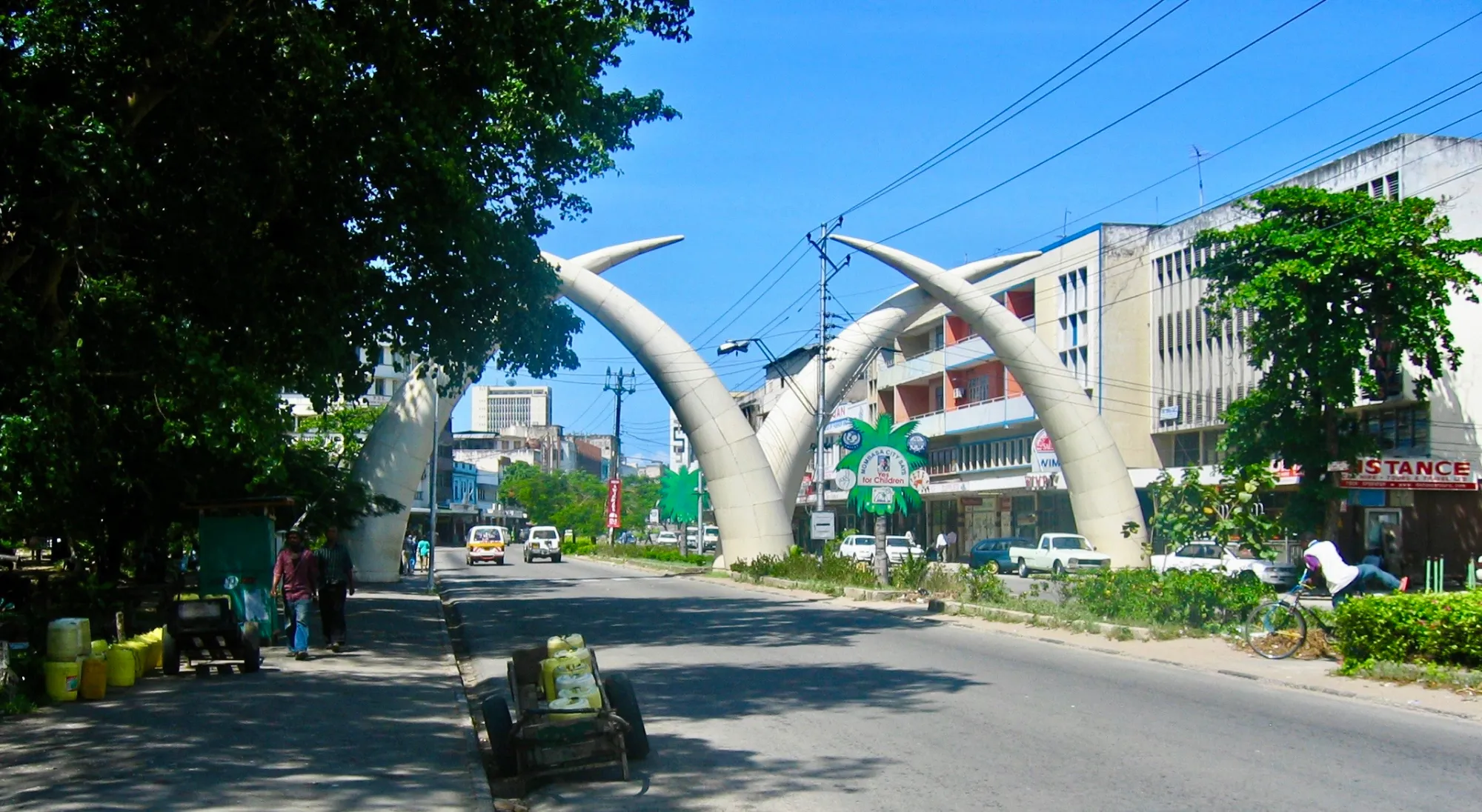
21 Unmissable Things to Do in Mombasa and the North Coast
From sun-bleached beaches and ancient Swahili streets to coral reefs, wildlife sanctuaries, and vibrant food markets, Mombasa offers far more than just a beach escape. This coastal city blends centuries of history with nonstop energy, giving travelers a long list of unforgettable things to do. You’ll find cultural landmarks, laid-back beach bars, family-friendly theme parks, and marine parks teeming with life—all within easy reach.
Whether you’re planning a deep dive into heritage, looking for outdoor adventure, or just want to discover the best local food spots, there’s always something exciting to do in Mombasa and its northern coast. The possibilities are wide-ranging, dynamic, and often surprising.
Here’s your ultimate guide to the best things to do in Mombasa—from iconic sights and local attractions to outdoor adventures, hidden gems, and must-try activities.
Dive into Mombasa’s History and Heritage
Fort Jesus: History, Conflict, and Coastal Power

Fort Jesus: A visit here is one of the unmissable things to do in Mombasa Visiting Fort Jesus is one of the essential things to do in Mombasa. Towering above the Old Port, this 16th-century fortress was built by the Portuguese to protect their trade routes and soon became the most contested site on the Swahili coast. Its thick coral-stone walls and sea-facing cannons still echo the power struggles between European and Arab powers.
Today, Fort Jesus is a must-visit for history lovers. You can walk through underground passages, view centuries-old cannons, and explore a museum filled with Portuguese, Arab, and British artifacts—maps, weapons, ceramics, and Swahili relics that trace the complex story of Mombasa’s past. One of the best things to do here is climb to the upper ramparts for panoramic views of the harbor, especially at sunset.
Price: KES 1,200 ($8) for adults; KES 600 ($4) for children
Getting there: Located on the edge of Old Town. A 10–20 minute ride by tuk-tuk, matatu, or Uber from most parts of Mombasa, including Nyali and the city center.Old Town: Mombasa’s Cultural Crossroads
Old Town is one of the most rewarding places to explore in Mombasa and should be high on your list of things to do. This neighborhood is a living showcase of Swahili, Arab, and Indian heritage. Its narrow alleys are lined with coral stone buildings, carved doors, wooden balconies, mosques, and spice markets.
Wandering here is like walking through a history book. Highlights include the Mandhry Mosque (built in 1570), the atmospheric Old Port with its anchored dhows, and small antique shops packed with brassware, maps, and relics. For a deeper experience, one of the best things to do is join a walking tour with a local guide who can explain the architecture and stories behind each turn.
Price: Free on your own; guided tours from KES 3,000 ($20)
Getting there: Directly next to Fort Jesus. Easily accessible by foot, tuk-tuk, or Uber from other parts of town.The Mombasa Tusks: Quick Sightseeing Must-Do

On your To Do List: The Mombasa Tusks The giant aluminum tusks on Moi Avenue are one of the most recognizable sights in Mombasa and a quick, easy thing to do while exploring the city center. Erected in 1952 to honor Queen Elizabeth II’s visit, the twin arches cross the main road, forming a large “M” for Mombasa.
They’re a favorite photo stop and mark the ceremonial gateway into the central business district. While it’s not a long visit, stopping here is one of those iconic things to do in Mombasa—especially if you’re nearby for shopping, lunch, or sightseeing.
Price: Free
Getting there: Located in the CBD, a short walk from central hotels or a 5–10 minute tuk-tuk ride from Nyali or Old Town (KES 100–300).Embrace Nature and Wildlife
Haller Park: From Quarry to Coastal Oasis
A visit to Haller Park is one of the most enriching experiences you can have on Mombasa’s North Coast. Once a barren limestone quarry, this 75-hectare reserve is now a thriving ecological haven where giraffes roam freely, hippos cool off in shaded ponds, and colobus monkeys swing overhead.
Winding forest trails take you past fish farms, a butterfly house, and reptile enclosures. You’ll spot elands grazing in the open, tortoises lazing under trees, and birdlife that includes storks, kingfishers, and herons. One of the most popular things to do here is feeding the giraffes—gentle giants who approach the raised platform for treats and photo ops.
Whether you’re traveling solo, as a couple, or with kids, Haller Park offers a relaxed, educational break from the beach. It’s peaceful, green, and unexpectedly wild.
Price: KES 500 ($3.50) for adults; KES 300 ($2) for children
Getting there: Located in Bamburi, just off the Mombasa–Malindi Highway. Around 20–25 minutes from town by taxi, tuk-tuk, matatu, or boda boda.Nguuni Nature Sanctuary: Wildlife in the Open
Tucked behind Bamburi’s busy roads, Nguuni Nature Sanctuary is quiet, uncrowded, and surprisingly wild. Giraffes, ostriches, and antelopes roam across the savannah-like landscape, with no fences between you and the animals. There’s a natural watering hole, a few wooden watchtowers, and plenty of space to walk, picnic, or just relax under the shade of acacias.
It’s one of those things to do when you want a break from the bustle—somewhere you can bring your own snacks, light a bonfire at sunset, and watch giraffes wander by in golden light. There are no formal tours here, just open land and the occasional curious ostrich.
For anyone looking to experience nature without the crowds, Nguuni hits the mark.
Price: KES 350 ($2.50) per person
Getting there: About 10–15 minutes from Bamburi by tuk-tuk or boda boda. Drivers can wait or return later—best to plan your transport ahead.Mamba Village: Reptiles, Camels, and Close-Up Wildlife
Set in the leafy heart of Nyali, Mamba Village is East Africa’s largest crocodile farm—and a hit with families and first-time visitors. Dozens of crocodiles bask in open pools, and during afternoon feeding time, they spring into action with dramatic speed. It’s intense, memorable, and very popular with kids.
There’s more than crocs, too. You’ll find botanical gardens, a tortoise pen, camel rides, and even a restaurant serving crocodile steak for the curious. It’s an easy stop if you’re in Nyali and looking for a half-day outing that’s fun and a little different.
Not every attraction in Mombasa needs to be by the sea—and this one proves it.
Price: KES 400 ($3) per adult; KES 200 ($1.50) per child
Getting there: Located off Links Road in Nyali. Roughly 15–20 minutes from the city center by taxi or tuk-tuk. Combine it with nearby attractions like Nyali Beach or Wild Waters for a full day out.Unwind on Mombasa’s Beaches
Nyali Beach: White Sands and Urban Ease
Just minutes from the city, Nyali Beach offers soft sand, swimmable waters, and a breezy vibe that blends comfort with convenience. It’s one of the easiest spots to reach if you’re staying in central Mombasa or near Nyali’s hotels. You’ll find families walking the shoreline, kite surfers catching the wind, and locals playing beach football in the evenings.
It’s also one of the best beaches for a quiet morning swim or golden-hour photography. If you’re looking for low-effort, relaxing things to do along the coast, Nyali delivers.
Price: Free
Getting there: Easy to access by tuk-tuk, matatu, or taxi from anywhere in Nyali or the city center. Less than 20 minutes from town.Bamburi Beach: Energy, Water Sports, and Crowd Appeal
Bamburi Beach is where things pick up. Lined with beach resorts, water sports centers, and open-air bars, it’s one of the most action-packed areas along the North Coast. Jet skis and banana boats skim across the surf, while camels plod past sunbathers and vendors sell everything from coconuts to beaded anklets.
Snorkeling, glass-bottom boat tours, and beach volleyball are just a few of the activities on offer. If you’re after lively beach attractions or looking for high-energy things to do in Mombasa, this is the spot.
Price: Free beach access; most activities range from KES 1,500–3,000 ($10–20)
Getting there: About 25 minutes north of the city. Take a matatu, Uber, or tuk-tuk from Nyali or town.Shanzu Beach: Slower Pace, Soothing Vibe

Camels on Shanzu Beach Shanzu Beach trades crowds for calm. Its relaxed, open stretch of coast is ideal if you’re looking to avoid the noise and soak up the sea breeze in peace. Mid-range and upscale hotels line the waterfront, offering private beach access, shaded lounges, and beachfront dining.
It’s one of the best choices for couples or solo travelers in search of quiet beach experiences. Whether it’s sipping a drink under a palm tree or catching sunrise in near silence, Shanzu is an easy pick for slower-paced things to do near Mombasa.
Price: Public access is free; some resorts charge for day use (KES 500–1,000 / $3–7)
Getting there: Located along the Mombasa–Malindi Road, roughly 35–40 minutes from town by taxi or matatu.English Point Marina: Style and Sea Views

Urban Waterfront: Champagne with a View at English Point Across the creek from Old Town, English Point Marina is a sleek, modern development with a boardwalk, waterfront restaurants, and panoramic views of the Indian Ocean. It’s not your typical sandy beach, but it offers one of the most stylish and contemporary settings in the city — a perfect place to relax, take photos, or decide on your next thing to do in Mombasa.
Whether you’re in the mood for a sunset cocktail, a fine dining experience, or just a casual coffee with a view, this is one of the best places to do it. The marina features upscale eateries serving everything from fresh seafood and Mediterranean dishes to gourmet grills, along with lounges and bars offering a wide selection of wines, cocktails, and premium spirits.
You can also book a sunset dhow cruise from here or simply stroll the boardwalk as the city lights begin to twinkle across the water. It’s a convenient stop if you’re exploring nearby attractions like Fort Jesus or Nyali Beach and want a scenic, upscale place to pause and indulge.
Price: Free to enter; meals range from KES 1,500–3,000 ($10–20), drinks extra
Getting there: Just across Nyali Bridge, around 10–15 minutes by taxi or tuk-tuk from Old Town or Nyali.Dive into Marine Adventures
Mombasa Marine National Park: Reefs, Turtles, and Open Water
Just off the coast of Nyali and Bamburi, Mombasa Marine National Park is one of the best places to experience the Indian Ocean up close. Beneath the surface, you’ll find vibrant coral gardens, schools of reef fish, and, with luck, sea turtles gliding past.
The park is ideal for both beginners and seasoned divers. Snorkeling trips usually involve a short boat ride to the reef followed by a guided swim over colorful coral beds. For diving, licensed operators provide full gear and instruction. It’s a great option if you’re looking for active things to do on the water that still leave room for relaxation.
Price: Park entry is KES 200 ($1.50); snorkeling tours from KES 4,000–6,000 ($30–45)
Getting there: Boats depart from beaches in Nyali, Bamburi, and Voyager. Reachable by taxi, tuk-tuk, or walking if you’re staying nearby.Open Water Thrills: Jet Skiing and Deep Sea Fishing

For high-speed action on the waves, head to the activity centers along Nyali and Bamburi beaches. Jet skis and banana boats are easy to rent and great for short adrenaline bursts. Most rentals come with an instructor to guide you through safety basics before heading out.
If you’re up for something bigger, deep sea fishing trips venture far into the Indian Ocean in search of tuna, barracuda, marlin, and sailfish. Boats come equipped with gear, drinks, and experienced crews who know where to find the action. It’s one of the most thrilling things to do off the coast—and an unforgettable way to spend a morning or afternoon.
Price: Jet ski rental from KES 3,000 ($20) per 30 minutes; deep sea fishing charters from KES 15,000 ($100) per group
Getting there: Most operators offer hotel pickups or meet on the beach. Bookings can be made online, through your hotel, or directly with kiosks on Bamburi and Nyali beachfronts.Family Fun and Theme Parks
Wild Waters: Slides, Pools, and a Day in the Sun
For a full day of family fun, Wild Waters in Nyali checks all the boxes. With over a dozen water slides, a giant wave pool, a lazy river, and a splash zone for younger kids, it’s one of the most popular attractions for locals and visitors alike.
The grounds are spacious and well-maintained, with lifeguards at every major slide. There’s also a food court, lockers, and shaded lounge areas—making it easy to spend several hours here without leaving. If you’re in Mombasa with children, it’s one of the most obvious things to do for pure, unfiltered fun.
Price: KES 1,500 ($10) for adults; KES 1,200 ($8) for children
Getting there: Located off Links Road in Nyali, just a few minutes by tuk-tuk or taxi from Nyali Centre or City Mall.Mombasa Go-Kart: Racing and Games for All Ages
Mombasa Go-Kart is a multi-activity park that appeals to both kids and adults. It features an outdoor racing track with fast, well-maintained karts, plus a bowling alley, paintball course, arcade games, and a kid-friendly restaurant and playground.
In the evenings, the park lights up and fills with families, birthday groups, and travelers looking for something different. Whether you’re racing laps, playing table tennis, or just watching the action with a drink in hand, it’s one of the more entertaining things to do after the beach.
Price: Go-kart rides from KES 1,200 ($8); other activities vary
Getting there: Situated in Shanzu along the Mombasa–Malindi Road. Around 30 minutes from town by taxi, matatu, or Uber.Discover Local Crafts and Culture
Bombolulu: Art, Inclusion, and Cultural Performance
Bombolulu Cultural Centre blends creativity, heritage, and social impact in one space. Run by the Association for the Physically Disabled of Kenya, this center supports artisans with disabilities while preserving traditional coastal crafts and cultural expression.
Visitors can explore model homesteads from Kenya’s major ethnic groups, watch live traditional dance performances, and browse an impressive selection of handmade goods—wood carvings, jewelry, batik fabrics, leatherwork, and textiles. It’s one of the more meaningful things to do in Mombasa if you’re looking to support local communities while experiencing authentic Kenyan culture.
Price: KES 400 ($3)
Getting there: Located in Bamburi, just off the Mombasa–Malindi Highway. Easy to reach by matatu, taxi, or tuk-tuk from Nyali or town.Akamba Handicrafts: Where Mombasa’s Woodcarving Tradition Lives
A visit to Akamba Handicrafts Cooperative offers a behind-the-scenes look at one of Kenya’s most respected carving communities. This sprawling open-air workshop hosts hundreds of skilled artisans who work with mahogany, ebony, and rosewood to create sculptures, masks, figurines, and decor items—all crafted by hand.
It’s not just a showroom. Visitors can walk through the carving sheds, talk to artists, and even commission custom pieces. For travelers interested in local art or looking for unique souvenirs, it’s one of the most rewarding things to do beyond the beach circuit.
Price: Free entry
Getting there: Situated near Changamwe, about 25 minutes from the city center. Best accessed by taxi or Uber; some hotels offer guided visits.Discover Local Crafts and Culture
Bombolulu: Culture, Craft, and Community Impact
In Bamburi, Bombolulu Cultural Centre offers a cultural experience that’s both inspiring and hands-on. Operated by the Association for the Physically Disabled of Kenya, the centre empowers artisans while preserving Kenya’s diverse artistic traditions.
Visitors can explore traditional homestead replicas, watch dance performances representing different ethnic groups, and browse handcrafted products ranging from wood carvings and batiks to jewelry and textiles. It’s an excellent stop if you’re interested in meaningful, creative things to do in Mombasa that go beyond sightseeing.
Price: KES 400 ($3)
Getting there: Located just off the Mombasa–Malindi Highway in Bamburi. Accessible by matatu, tuk-tuk, or taxi—around 20–25 minutes from the city.Akamba Handicrafts: Carving Culture into Every Detail
Near Changamwe, Akamba Handicrafts is a working cooperative where hundreds of local carvers shape timber into intricate works of art. From towering sculptures to delicate animal figurines, everything is made by hand using techniques passed down through generations.
Walking through the open workshops, you’ll see artisans at work and learn how raw wood transforms into finished pieces. It’s one of the most authentic places to connect with Mombasa’s artistic heritage—and a top spot for buying one-of-a-kind souvenirs. If you’re wondering what else to do beyond the usual tourist circuit, this hidden gem offers a deeper look into local craftsmanship that few visitors experience.
Price: Free entry
Getting there: About 25 minutes from central Mombasa by taxi or Uber. Best visited on the way to or from the airport or as part of a guided craft tour.Food Tours and Swahili Cuisine
Swahili Street Eats: Spice, Smoke, and Local Flavor
Sampling street food is one of the most rewarding things to do in Mombasa if you want to connect with everyday life. On the streets of Old Town, Makadara, and Buxton, vendors serve up crisp viazi karai, freshly fried samosas, smoky mishkaki, cassava crisps, and coconut bhajias—flavors that capture the essence of coastal Kenya.
It’s fast, cheap, and full of personality. You can snack your way through an entire evening or join a guided street food tour for deeper context and hidden favorites. Either way, it’s a local food experience you won’t find in any resort buffet.
Price: Most items range from KES 20–100 ($0.15–$0.70)
Getting there: Best explored on foot in Old Town or with a local food guide. Tuk-tuks from Nyali or town cost around KES 150–300.Coastal Fine Dining: Tamarind and Jahazi Grill

Tamarind Restaurant and the Tamarind Dhow: Top on the To Do List of any Foodie in Mombasa For a more refined taste of Mombasa’s culinary scene, Tamarind and Jahazi Grill set the standard. Tamarind sits on the edge of Tudor Creek, offering elegant seafood and Swahili dishes in a setting that pairs perfectly with sunset views. It’s also home to the Tamarind Dhow—a romantic floating restaurant aboard a traditional wooden dhow, where you can enjoy a candlelit dinner as you cruise the creek under the stars.
Across town in Shanzu, Jahazi Grill at Serena Beach Resort delivers oceanfront dining with an emphasis on grilled seafood, fresh catch, and Swahili spice blends. The ambiance here is more relaxed yet equally polished, ideal for those who want upscale cuisine right by the beach.
Both offer attentive service and a menu built on local ingredients. If you’re after elevated dining experiences while still keeping things authentically coastal, these two are worth making time for.
Price: KES 2,500–5,000 ($20–40) per person
Getting there: Tamarind is near English Point—just across Nyali Bridge. Jahazi Grill is in Shanzu, about 35–40 minutes from the city. Both are easily accessible by taxi or Uber.Final Travel Tips
Transport
Getting around is easy with taxis, tuk-tuks, and ride-hailing apps like Uber and Bolt. Tuk-tuks are great for short local trips, while matatus are the cheapest way to reach key areas. If you’re planning out a full list of things to do across Mombasa and the North Coast, having flexible transport options makes it easier to move between beaches, markets, and attractions.Best Time to Visit
The dry seasons—July to October and January to March—offer the best conditions for sightseeing, marine tours, and outdoor adventures. Whether you’re heading out on a food tour, wildlife excursion, or just ticking off beachside things to do, clear skies and warm water make all the difference.Local Etiquette
Away from the beach, modest clothing is appreciated. Mombasa has a strong Swahili-Muslim influence, so respecting customs—especially during Ramadan—is important. Greetings are valued here, and learning a few Swahili phrases adds a personal touch to every interaction.Safety
Popular areas like Nyali, Bamburi, and Old Town are generally safe, but the usual precautions apply. Avoid dark alleys at night, don’t flash valuables, and always use trusted transport. If you’re moving between multiple things to do in a day, secure your belongings and stay alert in crowded areas.Mombasa is more than a coastal getaway—it’s a full-spectrum destination packed with culture, flavor, and outdoor energy. From snorkeling over coral reefs to wandering ancient streets or riding camels along the beach, the variety of things to do in Mombasa ensures your trip is anything but ordinary.
Endless Things to Do, One Unforgettable Coast
Mombasa is the kind of place that doesn’t just offer a list of things to do—it delivers a full sensory experience. One moment you’re snorkeling through coral reefs; the next, you’re walking through centuries of history in Old Town or watching a beach football match in Bamburi as the sun goes down. The sheer variety of things to do—from cultural attractions to nature walks, food tours, and water sports—makes every day feel different.
This is a city where every corner has something happening and something to do. Whether you’re riding camels by the shore, dancing in a beach bar, or exploring backstreet spice stalls, there’s always another layer waiting to be uncovered. It’s this ever-changing rhythm that defines life here, and it’s exactly why Mombasa raha isn’t just a phrase—it’s a lived reality.
If you’re looking for a destination where history, culture, flavor, and adventure come together in one continuous stream of memorable experiences, Mombasa is it. The number of unique things to do along this stretch of the Kenyan coast is unmatched—and once you’re here, you’ll never run out of reasons to stay.
See also
-
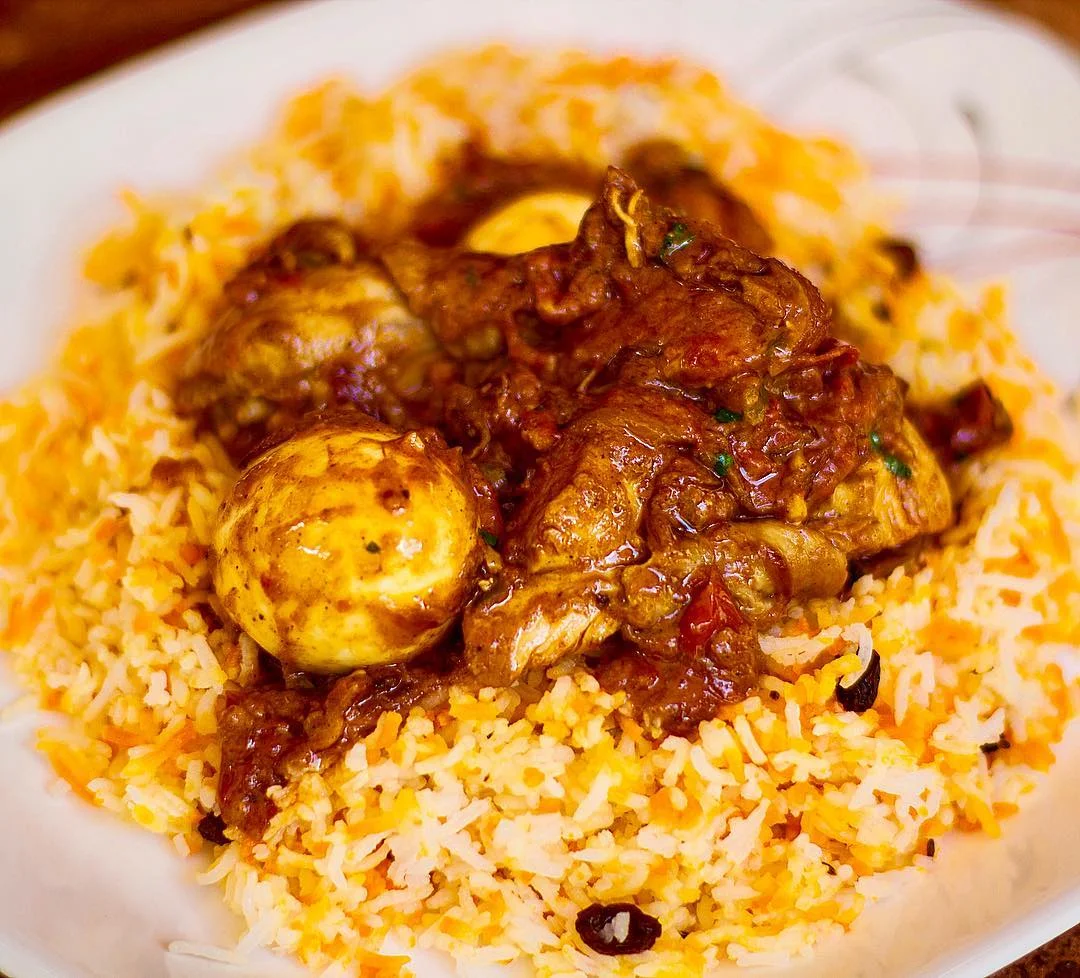
10 Must-Try Local Dishes in Mombasa—and Where to Eat Them
Mombasa’s food scene is as bold, diverse, and flavorful as its centuries-old maritime history. This vibrant coastal city is a crossroads of culture and cuisine, where Swahili, Indian, Arab, and Portuguese influences blend seamlessly into some of the most unforgettable local dishes in East Africa. From aromatic rice-based meals to coconut-laced stews and sizzling street food snacks, every bite in Mombasa carries a piece of its multicultural past.
Whether you’re winding your way through the spice-scented alleys of Old Town, navigating the bustling food markets of Mwembe Tayari, or enjoying a sea breeze in Nyali, one thing quickly becomes clear: food isn’t just nourishment here—it’s a cultural expression. Mombasa’s local food traditions are deeply rooted in community, shaped by trade, and passed down with pride. You’ll find flavor-packed street food sizzling on every corner, and traditional meals served with generous hospitality in even the humblest of eateries. Every local dish, from pilau to mahamri, is tied to family, history, and the rhythms of daily coastal life.
In this guide, we’ll take you on a culinary journey through ten must-try local dishes in Mombasa—highlighting what makes each one special and where to eat them. From time-tested heritage cafés to legendary street food stalls, these are the meals that define the taste of the coast.
Biryani – Mombasa’s Spice-Laden Signature
A true emblem of coastal culinary fusion, Mombasa-style biryani is rich, flavorful, and unmistakably local. This iconic dish layers long-grain basmati rice with slow-cooked meat—typically chicken, beef, or goat—infused with tomatoes, garlic, ginger, cinnamon, cloves, and cardamom. The Swahili influence makes it wetter and more aromatic than the Indian version, often served with kachumbari and a tangy tamarind chutney that cuts through the richness. Among all the local dishes in Mombasa, biryani is a must-try for anyone craving bold flavor and history on a plate.
Where to Eat Biryani in Mombasa:
Barka Restaurant, Old Town – A coastal institution famed for its spicy beef biryani and signature tomato sauce.
Forodhani Restaurant, Mwembe Tayari – Offers generous portions of melt-in-your-mouth goat biryani in true Swahili style.Viazi Karai – Spiced Potatoes from the Streets
No visit to Mombasa is complete without tasting viazi karai—the city’s most beloved street food snack. Slices of potato are dipped in a turmeric-laced gram flour batter, deep-fried until golden, then served hot with ukwaju (tamarind sauce) or creamy coconut chutney. This popular local dish is crunchy, spicy, and incredibly addictive. It’s a go-to snack for locals, especially in the afternoons when hunger strikes and the streets come alive with the aroma of frying oil and spice.
Where to Eat Viazi Karai in Mombasa:
Mama Ngina Drive Food Vendors – Especially popular in the evening as families stroll the seafront.
Kibokoni Market, Old Town – A vibrant hub of street food where viazi karai is served straight from the wok.Mishkaki – Skewered Coastal BBQ

Mshikaki – Grilled Meat Skewers – A Street Food Classic Among Traditional Local Dishes in Mombasa Grilled over open charcoal and basted with chili-garlic sauce, mishkaki is one of Mombasa’s favorite local dishes and a late-night ritual for many. These marinated beef or chicken skewers combine Indian and Swahili flavors, creating a spicy-sweet glaze that caramelizes on the grill. More than just street food, mishkaki is a social experience—a staple of casual meetups and lively conversations under the stars.
Where to Eat Mishkaki in Mombasa:
Char-Choma BBQ, Nyali – Known for their smoky, tender mishkaki and spicy sauces.
Roadside Stalls along Tudor Road – Late-night favorites with long queues and massive flavor.Mahamri & Mbaazi – The Coastal Breakfast Combo

Mahamri, a.k.a Mandazi – a Traditional Local Dish in Mombasa Among the most comforting local dishes you’ll find, this traditional Swahili breakfast features mahamri, soft triangular doughnuts flavored with cardamom, and mbaazi, pigeon peas simmered in coconut milk. It’s a simple yet soul-satisfying meal that reflects Mombasa’s deep love affair with coconut and spice. Locals enjoy it at dawn with kahawa tungu (Swahili black coffee), making it an essential part of the city’s culinary rhythm.
Where to Eat Mahamri and Mbaazi in Mombasa:
Zanze Café, Makadara – A local favorite where everything is made fresh at sunrise.
Street Vendors near Mwembe Tayari – Authentic and filling, served piping hot from roadside stalls.Samaki wa Kupaka – Fish in Coconut Sauce – Crown Jewel of Swahili Local Dishes

Top among local dishes in the Swahili cuisine – Samaki wa Kupaka, or fish in coconut sauce Samaki wa kupaka is one of the crown jewels of Swahili cuisine. Meaning “fish that is slathered,” it features grilled snapper or tilapia bathed in a rich coconut sauce spiked with turmeric, garlic, chili, and lime. The fish is typically grilled once, then coated and returned to the fire for a smoky, flame-charred finish. With origins in coastal trade routes that brought coconut and spices to East Africa, this flavorful local dish reflects centuries of cultural blending. Deeply satisfying and creamy, samaki wa kupaka is best eaten by the sea—with your fingers and no distractions.
Where to Eat Samaki wa Kupaka in Mombasa:
Yul’s Aquadrom, Nyali Beach – Combines fresh seafood with beachfront ambiance.
Blue Room Restaurant, Nkrumah Road – A long-time favorite with consistently flavorful samaki wa kupaka.Pilau – Fragrant Rice with Deep Flavors

Pilau – a classic local dish along the whole East African Coast Pilau is a staple across East Africa, but Mombasa’s version is something special. This spiced rice dish—usually made with beef, but sometimes with chicken or goat—is cooked in broth with fried onions, garlic, cumin, cloves, and cinnamon. Each grain is infused with bold flavor, and it’s often paired with fresh kachumbari for balance. Among the most popular local dishes in Mombasa, pilau is a festive favorite served at weddings, feasts, and coastal gatherings.
Where to Eat Pilau in Mombasa:
Mubin’s Restaurant, Majengo – Known for their rich, beefy pilau and deep, layered spice.
New Island Dishes, Mwembe Tayari – A dependable spot for large portions at friendly prices.Kaimati – Coastal Sweet Dumplings
A treasured dessert on the Swahili coast, kaimati are small, golden dough balls fried until crisp and drenched in syrup flavored with cardamom, rosewater, or vanilla. They’re sweet, sticky, and perfectly bite-sized—ideal for satisfying a sugar craving after a spicy meal. This traditional treat is a street food staple during Ramadan, but you’ll find it year-round in markets and homes.
Where to Eat Kaimati in Mombasa:
Marikiti Market – A must-visit for sweets lovers; try them while they’re still warm.
Evening Markets in Old Town – Often sold with tamarind juice as a classic post-dinner combo.Ugali & Sukuma Wiki – Kenya’s Everyday Plate
Simple yet powerful, ugali and sukuma wiki are the backbone of Kenyan cuisine—and Mombasa puts its own twist on the classic. Ugali, a dense maize flour dough, is served with braised collard greens (sukuma wiki), often elevated with a side of tilapia kupaka, coconut beans, or spicy beef stew. It may not be flashy, but this comforting local food combination is hearty, nourishing, and deeply embedded in everyday life.
Where to Eat Ugali and Sukuma Wiki in Mombasa:
Mombasa Dishes, Majengo – A reliable spot with daily rotating plates of traditional meals.
Bella Vista, Nkrumah Road – Combines classic Kenyan food with live music and relaxed vibes.Mkate wa Sinia – Swahili Rice Cake
Mkate wa sinia is a steamed and baked rice cake made with coconut milk, sugar, and cardamom, offering a dense, slightly chewy texture and rich flavor. Usually served during tea time or special occasions, it’s one of those quiet yet elegant local dishes that showcase Mombasa’s Swahili heritage. It’s sweet but not overpowering, and always made with love.
Where to Eat Mkate wa Sinia in Mombasa:
Little Chef, Mtwapa – Offers traditional coastal pastries, including an excellent mkate wa sinia.
Swahili Dishes Restaurant, Likoni Road – A local favorite for traditional desserts and snacks.Bhajia – Crispy, Spicy, and Addictive
Bhajia are one of the most popular street food snacks you’ll find in Mombasa. These deep-fried fritters, usually made from thinly sliced potatoes coated in a spiced gram flour batter, are crispy on the outside and soft inside. The coastal version often comes with extra heat and is served with lemon slices or a tangy chutney. Bhajia reflect Mombasa’s Indian heritage and are a staple in many homes and market stalls.
Where to Eat Bhajia in Mombasa:
Mamri Bhajia House, Majengo – Famous for extra-crispy bhajias served hot with fresh chili sauce.
Kongowea Market – Street vendors here churn out freshly fried bhajias from mid-morning until dusk.Mutura – Mombasa’s Boldest Street Delicacy
Mutura is a hearty sausage made from goat or beef intestines mixed with blood and spices, then grilled slowly over charcoal. While it’s a common sight in towns across Kenya, Mombasa’s version often includes local herbs and a bolder spice mix. It’s one of the more adventurous local dishes, but for foodies who love smoky, meaty flavors, it’s an essential bite.
Where to Eat Mutura in Mombasa:
Mikindani Street Stalls – Small charcoal grills light up around dusk with vendors preparing fresh mutura.
Posta Area, CBD – A favorite late-night stop for locals looking for a cheap, protein-packed bite.Mkate wa Mayai – The Coastal Egg Wrap
Mkate wa mayai is a Swahili-style egg-stuffed chapati that brings together the best of savory coastal flavors. Eggs are whipped with diced onions, chili, and sometimes minced meat, then poured onto a sizzling chapati and folded over to create a rich, satisfying wrap. Sold at street food kiosks, it’s one of those local dishes that hits the spot any time of day—especially late at night.
Where to Eat Mkate wa Mayai in Mombasa:
Sultan Hamud Road Kiosks – Try one with a cup of tangawizi (ginger tea) for the ultimate snack experience.
Buxton Roundabout – Known for some of the spiciest and most flavorful versions.Makuti-Cooked Octopus – A Coastal Classic
If you want to taste truly authentic local food from the Swahili coast, try octopus cooked in makuti (palm fronds). Freshly caught octopus is tenderized, spiced, and slowly grilled in banana leaves or coconut husks, locking in a deep, smoky flavor. Often served with coconut rice or plantains, this dish is as local as it gets—fresh from the sea and infused with coastal soul.
Where to Eat Makuti Octopus in Mombasa:
Monsoon Restaurant, near Jumba la Mtwana – Offers grilled seafood, including octopus cooked in traditional Swahili style.
Mkoko House, Tudor Creek – Known for seafood prepared over open flames using traditional techniques.Fried Cassava – The Coast’s Favorite Street Crunch
Cassava is a staple root crop that finds its way into many local dishes, but fried cassava is by far one of the most popular snacks on the street. Sliced thick, boiled until tender, then deep-fried to a golden crisp and sprinkled with pili pili or masala salt—it’s a local street food you’ll see everywhere from the ferry terminal to the beaches.
Where to Eat Fried Cassava in Mombasa:
Mama Ngina Waterfront – Grab a cone of hot, crispy cassava and stroll along the seafront.
Ferry Terminus, Likoni Side – A street food hotspot where vendors operate late into the night.Madafu and Street Snacks – Mombasa on the Go

As you explore the city, keep an eye out for the ever-present madafu carts. Madafu—fresh young coconut water served straight from the shell—is a refreshing must on hot Mombasa afternoons. Pair it with small snacks like roasted maize, boiled eggs with chili salt, or fried fish bites sold along roadsides and beaches.
Best Places for Madafu and Snacks:
Digo Road and Moi Avenue – Madafu vendors are stationed at most intersections.
Shelly Beach and Nyali Access Roads – Great spots for beachside refreshments.Coconut Beans with Chapati – A Simple, Flavorful Meal
Coconut beans, locally known as maharagwe ya nazi, are a humble but flavor-rich dish made by simmering red or kidney beans in a creamy coconut sauce with onions, garlic, and turmeric. When paired with soft, layered chapati, it becomes one of the most satisfying vegetarian meals among Mombasa’s local dishes.
Where to Eat Coconut Beans and Chapati in Mombasa:
Swahili Pot, Kibokoni – Offers a homestyle take with perfectly spiced beans and fresh chapati.
New Island Dishes, Mwembe Tayari – A vegetarian-friendly option known for its generous servings.Ndizi na Nyama – Green Bananas with Meat
This lesser-known gem features unripe bananas cooked with meat—usually beef or goat—in a thick stew made with tomatoes, onions, and coconut cream. It’s hearty, savory, and uniquely coastal. Found in many Swahili homes, it’s not as common on tourist menus, making it a true insider’s treat for anyone exploring the full spectrum of local food in Mombasa.
Where to Eat Ndizi na Nyama in Mombasa:
Likoni Local Cafés – Small neighborhood joints often offer it as a daily special.
Zanze Bar & Restaurant, Makadara – Ask for the chef’s coastal specialty—this dish appears on weekends.Why Mombasa’s Culinary Culture Stands Out
Mombasa isn’t just famous for its white-sand beaches and ancient Swahili architecture—it’s a paradise for anyone with a passion for local food. Here, the culinary culture runs deep, shaped by centuries of trade, migration, and tradition. From Indian and Arab influences to African coastal ingredients, Mombasa’s food scene is a flavorful mosaic of cultures that have simmered together over time.
What truly makes Mombasa’s local dishes unforgettable is their bold balance of spice, texture, and depth. The generous use of coconut milk, turmeric, cardamom, and garlic infuses even the humblest meals with warmth and complexity. Whether it’s a freshly fried plate of viazi karai from a street cart or a tender serving of samaki wa kupaka at a beachside grill, each bite is layered with coastal soul. Street food in Mombasa isn’t just convenient—it’s crafted with intention, often based on recipes refined over generations.
Unlike many cities where fast food chains overshadow traditional eateries, Mombasa proudly preserves its culinary heritage. The food here isn’t rushed. It’s prepared with care, passed down through oral traditions, and rooted in the rituals of family and community. Even a tiny kiosk on a backstreet might surprise you with a version of pilau so rich in spice and history, it could rival any fine dining plate.
That’s the beauty of Mombasa’s food culture—every local dish, from mahamri and mbaazi to mishkaki or biryani, tells a story. And that story begins in the kitchen, at home, or on the street corner, where the real flavor of the city lives.
Tips for Tasting the Best Local Dishes in Mombasa
Start in Old Town – Where Culinary Tradition Comes Alive
If you’re looking for the true soul of Mombasa’s local food culture, start your journey in Old Town. This historic neighborhood is more than just a maze of winding alleys and carved wooden doors—it’s a living, breathing pantry of traditional Swahili cuisine. From family-run eateries tucked behind centuries-old walls to vendors frying bhajias on street corners, Old Town offers some of the most authentic local dishes in Mombasa. It’s where age-old recipes meet daily life, and every turn presents a new aroma, a sizzling pan, or a warm smile offering you something irresistibly delicious.
Ask Locals for Recommendations – Let the City Speak to You
No guidebook or app can match the insight of a local. Mombasa residents take great pride in their food, and most will be more than happy to point you toward their favorite biryani joint, the best place for mahamri and mbaazi, or the hidden spot where the freshest street food is grilled each evening. Whether it’s your tuk-tuk driver, a shopkeeper, or a fellow diner at a busy café, asking for recommendations often leads to the most memorable—and mouthwatering—experiences. Sometimes, the best local dish is found where you least expect it.
Be Adventurous with Street Food – The Real Flavor Lives Here
Mombasa’s street food scene is not just affordable—it’s packed with bold, unforgettable flavors that define the city’s culinary identity. A plate of viazi karai or a hot, spiced mkate wa mayai from a roadside vendor might cost under 100 KES, but it delivers more soul and satisfaction than many high-end meals. Try something new. Don’t worry if you don’t recognize it—just ask what it is, and give it a go. These street-side treasures are the backbone of everyday local food in Mombasa, feeding the city with flavor, flair, and authenticity.
Avoid Touristy Menus – Follow the Crowds, Not the Brochures
If you want to eat like a local, skip the laminated menus with English-only descriptions and predictable options. Instead, look for bustling spots with handwritten chalkboards, rotating daily specials, and queues of locals spilling out the door. These are signs of genuinely good food, made for the community—not the camera. The more unassuming the place looks, the better the chances you’re about to discover one of Mombasa’s hidden culinary gems.
Embrace the Spice – Heat Is Part of the Flavor
Spice is an integral part of Swahili cuisine. It’s not just about chili—it’s about complexity. Mombasa’s local dishes are layered with cumin, cardamom, garlic, black pepper, turmeric, and coriander. That said, some meals can be fire-hot, especially when it comes to street food like mishkaki or fried cassava dusted with pili pili. If you’re not used to heat, don’t be shy—just say “kidogo pilipili” (a little chili) and your dish will come toned down but still bursting with coastal flavor. Trust the spice—it’s what makes every local dish in Mombasa sing.
Eat Your Way Into Mombasa’s Soul
To truly understand Mombasa is to taste it. This city isn’t just a coastal destination—it’s a living, breathing celebration of flavor. Every local dish tells a story: of Arab sailors who brought spices across the sea, of Indian merchants who introduced new cooking techniques, and of Swahili families who preserved centuries-old recipes with pride and care. From sizzling street food grilled under neon lights to rich, slow-cooked stews bubbling with coconut cream, the food in Mombasa is deeply cultural, incredibly varied, and endlessly satisfying.
Each bite brings you closer to the heartbeat of the coast. Whether it’s a piping-hot plate of pilau, a freshly grilled mishkaki skewer on a street corner, or a humble bowl of mbaazi with mahamri at dawn, these are more than just meals—they’re experiences rooted in heritage. And while places like Zanzibar’s Forodhani Night Market get the global spotlight, Mombasa’s food scene delivers just as much soul, spice, and street-side magic—if not more.
So next time you’re in Mombasa, ditch the resort buffet and eat like you mean it. Follow the smoke rising from roadside grills, the chatter of locals gathered at open-air cafés, and the scent of spice wafting through market stalls. Pull up a plastic chair, share a plate, ask questions, and dive into the rich world of Swahili cuisine. Somewhere between your first bite of bhajia and your last sip of tamarind juice, you’ll realize that discovering a local dish here is the closest you’ll get to tasting the spirit of Mombasa itself.
Your palate—and your sense of adventure—will thank you.
-
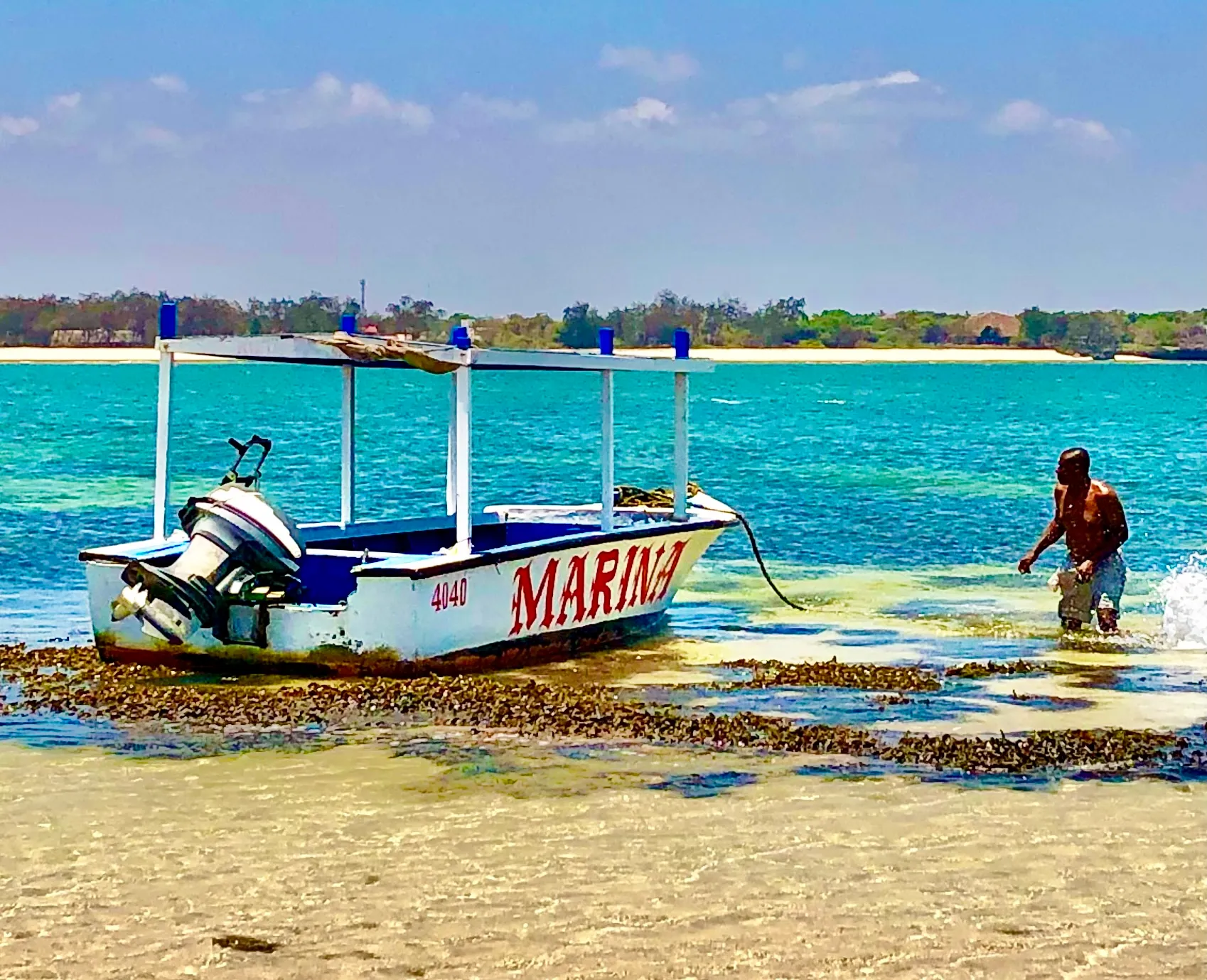
Sun, Sand, and Smiles: Family Adventures in Mombasa
Family Fun in Mombasa: Activities for Kids and Adults Alike
From golden beaches and wildlife sanctuaries to cultural experiences and thrilling adventures, Mombasa is a dream come true for families seeking a memorable holiday. This vibrant coastal city blends tropical relaxation with immersive, kid-friendly activities, ensuring both children and adults are entertained from sunrise to sunset. Whether you’re planning a multi-generational family vacation, a holiday with toddlers in tow, or an adventure with curious teens, Mombasa is packed with joy-filled experiences to bring your family closer together.
Why Mombasa is the Perfect Family Destination
Mombasa offers the ultimate blend of adventure, relaxation, and cultural richness in one destination. With its balmy year-round climate, warm Indian Ocean waters, and long stretches of palm-fringed beaches, it’s tailor-made for a carefree family trip. But this city goes far beyond sun and sand—it’s also brimming with parks, marine life, heritage sites, hands-on attractions, and exciting wildlife encounters. Families are welcomed with open arms, and you’ll find child-friendly services and facilities at almost every major attraction and hotel.
If you’re looking for a family holiday destination that combines safety, fun, learning, and convenience, Mombasa ticks every box. You’ll find something for every age group—toddlers, school-aged kids, teens, parents, and even grandparents can all join in the fun.
Hit the Beaches: Sun, Sand, and Splashing for All Ages
Nyali Beach: Gentle Waves and Easy Access

Nyali Beach When it comes to beach time, Mombasa is a family paradise. Start at Nyali Beach, a family favorite thanks to its clean shoreline, calm waves, and easy access from central Mombasa. It’s perfect for building sandcastles, taking long family walks, or letting young children wade into the shallows under your watchful eye. With soft sands and plenty of shaded areas, parents can relax while the little ones enjoy hours of sandy fun.
Bamburi Beach: Action-Packed Family Energy
If your crew is more energetic, head up the coast to Bamburi Beach, which offers a lively atmosphere and a range of family-oriented water sports. Jet ski rentals, banana boat rides, camel rides along the shore, and even quad biking excursions inland are available for families with older children and teens. It’s a great spot for making memories you’ll talk about for years.
Shanzu and Kikambala: Space to Roam and Picnic
Looking for a quieter alternative? Shanzu and Kikambala beaches provide a peaceful escape from the buzz of the main beaches. These less-developed stretches offer more privacy, making them ideal for picnics, football games on the sand, or flying kites with the ocean breeze. Older kids can explore the rock pools at low tide, and families can enjoy peaceful moments together with nothing but the sound of waves and birds in the background.
Camels on Shanzu Beach Water Parks and Resort Pools: Keep the Kids Cool and Smiling
Wild Waters Nyali: Slides, Rides, and Laughter
Wild Waters in Nyali is a magnet for families. It’s the largest water park on Kenya’s coast and features a range of attractions for all ages—from gentle splash zones for toddlers to steep, high-speed slides for thrill-seeking teens and adventurous parents. A lazy river offers a relaxing ride for everyone, and lifeguards are stationed throughout the park to ensure a safe and stress-free experience.
There’s also a restaurant on-site for when hunger strikes, plus shaded seating and rest areas—meaning you can easily spend a full day here as a family without anyone getting bored.
Resort Pools and Family Clubs

Many beach resorts in Mombasa have thought of everything a family needs for a perfect vacation. Look out for properties that offer designated children’s pools, supervised kids’ clubs, and family suites.
At Serena Beach Resort and Spa, families can enjoy beautifully landscaped gardens, turtle conservation talks, and kid-focused cultural evenings. Meanwhile, PrideInn Paradise in Shanzu not only offers a massive pool with slides, but also has a small on-site water park that’s exclusive to guests.
Some resorts even offer babysitting services or evening child-minding so parents can enjoy a quiet dinner or spa treatment while the kids are entertained.
Explore Nature and Wildlife: Educational and Eye-Opening Fun
Haller Park: Walk with Giraffes, Learn with Joy
Located in Bamburi, Haller Park is a restored nature sanctuary that’s become one of Mombasa’s top family attractions. Here, kids can walk along leafy trails, hand-feed giraffes, and marvel at giant tortoises, monkeys, hippos, and zebras—all within a secure, well-maintained park environment.
Haller Park is not just fun—it’s educational too. There are guided tours available, or you can explore on your own with informative signage along the paths. Children learn about conservation and the power of nature to heal—an inspiring lesson wrapped in a great day out.
Nguuni Nature Sanctuary: Peaceful Picnics with Wildlife
Just a short drive from Haller Park lies Nguuni Nature Sanctuary, a lesser-known gem where families can enjoy a quiet, nature-rich setting away from the crowds. The park is home to ostriches, elands, giraffes, and a variety of bird species. You can drive through in your own car, take a guided tour, or settle at one of the designated picnic areas and wait for the giraffes to wander over.
For a magical touch, plan your visit in the late afternoon and watch the sunset over the acacia trees while the animals graze nearby. It’s one of Mombasa’s most underrated family experiences.
Animal Adventures at Mamba Village
Mamba Village in Nyali is East Africa’s largest crocodile farm, and it’s a guaranteed hit with curious kids. Families can walk through the crocodile enclosures and see these powerful reptiles up close—from tiny hatchlings to giant adults. The daily feeding sessions are both thrilling and educational, especially for kids interested in animals and nature.
Besides crocodiles, the complex also offers camel rides, horseback riding, a small amusement area, and even a botanical garden. The restaurant on-site serves meals with a view over the crocodile pens (yes, really!), giving your family a story to tell long after the holiday ends.
Take to the Sea: Boats, Snorkels, and Ocean Exploration
Glass Bottom Boat Tours

Glass Bottom Boats – A Fun-Packed Family Activity at Sea For younger children or anyone not ready to snorkel, a glass bottom boat tour is the perfect way to experience the underwater magic of the Indian Ocean. Departing from Nyali or Bamburi, these boats glide over colorful coral reefs, giving families a dry, safe view of the sea life below.
The tours are short, affordable, and guided—so kids will learn about sea turtles, clownfish, corals, and starfish while staying engaged the entire time.
Snorkeling and Marine Park Visits
Older kids and confident swimmers will love snorkeling in the Mombasa Marine National Park. Located just offshore, the park is a protected zone teeming with marine life. Snorkeling tours provide life jackets, masks, and fins, plus experienced guides to ensure safety. It’s an unforgettable way to spend a morning and teaches kids about the importance of ocean conservation in a hands-on, interactive way.
Fort Jesus: Where History Becomes an Adventure
Fort Jesus: A visit here is one of the unmissable things to do in Mombasa History doesn’t have to be boring—especially not at Fort Jesus. This centuries-old Portuguese fort, perched on the edge of Mombasa Island, is one of the city’s most iconic landmarks. For families, it’s an incredible chance to step into a real-life time capsule.
Explore the Fort with Kids
Children will love exploring the maze-like corridors, climbing stone staircases, and peeking through centuries-old windows to the ocean below. Guided tours are available and can be tailored to keep younger audiences engaged with stories of battles, pirates, and ancient trade. The fort’s small museum includes shipwreck artifacts, ancient maps, and displays about the fort’s role in Mombasa’s dramatic past.
Sound and Light Show
If your family enjoys immersive storytelling, plan your visit in the evening to catch the Fort Jesus Sound and Light Show. This dramatic outdoor presentation uses narration, lighting effects, and projections to bring Mombasa’s 400-year-old history to life. It’s a spectacular way to end a family day of exploration and adds a wow factor kids won’t forget.
Discover Old Town: Culture, Color, and Curiosity
Adjacent to Fort Jesus, Old Town is a walkable district filled with Swahili culture, Arab architecture, and centuries of trading history. For families with older children or teens, exploring these narrow alleys and vibrant streets is a true cultural treasure hunt.
Take a Tuk-Tuk Tour
To keep it fun for little legs, hop into a tuk-tuk for a guided ride through Old Town. You’ll pass intricate carved wooden doors, historic mosques, spice markets, and hidden courtyards. Many guides are skilled storytellers and adjust their pace and language for family audiences, making the experience fun and educational.
Try Local Treats
Coconut water – aka. Madafu – a Mombasa classic Kids can sip on fresh coconut water, try sugarcane juice, or snack on viazi karai—deep-fried potatoes with tangy chutney. It’s a delicious, hands-on way to introduce young travelers to Swahili cuisine without committing to a full meal.
Hands-On Cultural Experiences
One of the best things to do on a family vacation is to experience the local culture together. In Mombasa, there are several ways to do this through fun, family-friendly workshops.
Swahili Cooking Classes
Roll up your sleeves and learn how to make chapatis, coconut rice, or delicious coastal curries. Local chefs and women’s groups offer short cooking classes that welcome kids, often letting them mix dough, stir sauces, and even taste along the way. It’s educational, hands-on, and a great bonding experience.
Drumming and Dance
If your children love music or movement, sign up for a drumming or traditional dance workshop. These are high-energy, joyful experiences that double as cultural immersion. Drums, shakers, and Swahili beats get everyone moving—and many classes even end with a family performance.
Bombolulu Workshops: Creativity and Community
A visit to Bombolulu Workshops offers a powerful mix of art, culture, and social good. This community project supports artists and artisans with disabilities, and families can take a guided tour to see everything from textile production to metalwork and jewelry-making.
Family Engagement
Kids can try their hand at beadwork or printmaking, and you can browse the large craft shop for unique, handmade souvenirs. Outside, a cultural village showcases replicas of homesteads from Kenya’s main ethnic groups, giving kids a chance to see how different communities live.
Easy Wildlife Day Trips
Want a safari experience without the long road trip? Mombasa is a fantastic launchpad for quick, family-friendly excursions into the wild.
Shimba Hills National Reserve
Located about 90 minutes from the city, Shimba Hills is a lush, hilly reserve home to elephants, giraffes, sable antelope, and monkeys. It’s also one of the only places in East Africa where you can hike through a tropical forest to a waterfall—Sheldrick Falls. Most trails are easy enough for school-aged kids, and rangers offer guided hikes with great storytelling.
Mwaluganje Elephant Sanctuary
Just next to Shimba Hills lies Mwaluganje Elephant Sanctuary, a quiet and uncrowded park that offers up-close views of elephants in their natural habitat. You can drive through the sanctuary or join a guided tour. With a bit of luck, you’ll spot herds strolling through the savannah or cooling off in watering holes.
Where to Eat: Family-Friendly Restaurants and Sweet Spots
Café Mocha, Nyali
Café Mocha is a local favorite with a cozy outdoor space, reliable menu, and kid-friendly portions. From pancakes to pasta and ice cream, even picky eaters are sure to find something they like.
Tamarind Dhow
For something truly unique, book a lunch or dinner cruise aboard the Tamarind Dhow—a traditional wooden boat converted into a floating restaurant. It’s a fun, scenic way to dine with older children and teens while taking in views of Mombasa’s skyline from the sea.
Ice Cream and Snacks
Don’t miss Frozen Yoghurt at City Mall or the gelato kiosks near the beach. For a more local experience, try madafu (fresh coconut) straight from the shell, or mandazi (sweet fried dough) from a street vendor.
Where to Stay: The Best Family-Friendly Hotels and Resorts
Sarova Whitesands Beach Resort
This sprawling beachfront resort offers everything a family could need—multiple swimming pools, waterslides, a kids’ club, child-friendly menus, and beachfront access. Daily activities keep children engaged while adults can relax with spa treatments or sundowners.
PrideInn Paradise Beach Resort and Spa
Located further north in Shanzu, this resort is ideal for younger families. It features its own mini water park, family rooms, and a relaxed beach with shallow waters. The team regularly organizes themed nights, talent shows, and play sessions for kids.
Budget-Friendly Rentals
If you’re planning a longer family vacation or traveling with a large group, Airbnb rentals and furnished apartments in Nyali or Bamburi are smart options. You get the benefit of a kitchen, separate bedrooms, and flexibility—great for nap times, fussy eaters, or big family dinners.
Safe and Fun Evening Activities
Nyali Cinemax
For a low-key evening, head to Nyali Cinemax for the latest kid-friendly movie. The cinema complex also has restaurants and snack options, making it a one-stop spot for a fun night out.
Butterfly Pavilion at Haller Park
In the evening, visit the Butterfly Pavilion, where soft lighting and fluttering wings create a magical post-sunset atmosphere. Some nights feature nature talks or storytelling—ideal for winding down after an energetic day.
Beach Bonfires and Live Music
Many resorts host family bonfire nights on the beach with acoustic music, marshmallows, and the sound of the waves as your background. It’s simple, memorable, and a great way to end the day together.
Time It Right: Events and Festivals for the Whole Family
Mombasa Carnival
If you’re planning your family trip between late October and early November, don’t miss the Mombasa Carnival. This citywide street festival features vibrant parades, dancers in traditional attire, live music, acrobats, food stalls, and cultural showcases. Children will be captivated by the colorful floats and performances, while parents can enjoy sampling regional dishes and browsing handmade crafts.
It’s a safe, family-friendly event with plenty of open space, and many hotels and tour companies offer special packages around Carnival week. It’s also a great opportunity for kids to learn about Kenya’s ethnic diversity and cultural pride—all in a high-energy, joyful environment.
Holiday-Themed Activities at Resorts
During school holidays (April, August, and December), many of Mombasa’s top resorts go all out with themed family events. Expect everything from Easter egg hunts and Christmas parties to New Year’s fireworks, kids’ discos, movie nights, scavenger hunts, and cooking classes. Hotels like PrideInn Paradise and Serena Beach often have detailed children’s programs and themed decor to mark the occasion.
Cultural and Food Fairs
Smaller family-friendly events also pop up at venues like City Mall, Nyali Golf Club, or the Mombasa Go-Kart track—featuring bouncy castles, live music, petting zoos, and more. Keep an eye on social media or ask your hotel concierge for upcoming events during your stay.
Smart Family Travel Tips: Stress-Free, Kid-Approved
Pack Like a Pro
Mombasa’s coastal climate is warm and humid, so pack lightweight cotton clothing, swimsuits, hats, reef-safe sunscreen, and good walking shoes or sandals. If you’re traveling with toddlers or young kids, bring familiar snacks, a small beach tent or sunshade, and mosquito repellent suitable for children. A compact first aid kit and travel games or coloring books also come in handy.
Get Around Safely
For short distances, tuk-tuks are a fun way to get around—but for longer trips or day excursions, opt for Uber, Bolt, or pre-booked taxis with air conditioning and seatbelts. Some local taxi operators offer child car seats upon request, so ask ahead. If you’re planning day trips to Shimba Hills or other reserves, go with a reputable tour operator offering insured, comfortable vehicles.
Choose Activities by Age Group
Don’t try to squeeze everything into one day—especially if you’re traveling with younger kids. Alternate busy outings with quieter activities like a swim, nature walk, or beach play. Most attractions allow enough flexibility for nap schedules or early evenings. Look for places that provide shade and seating, and always carry drinking water, baby wipes, and hand sanitizer.
Embrace Swahili Courtesy
Teach your kids a few Swahili phrases like “Jambo” (hello), “Asante” (thank you), and “Tafadhali” (please). Locals appreciate the effort, and children are often greeted with warm smiles and friendly attention. Kenya’s coastal communities are very family-oriented, so you’ll feel welcome almost everywhere you go.
Budget-Friendly Family Tips
Street food, local tuk-tuks, and public beaches help keep costs low. Many attractions—like Haller Park, Mamba Village, and Fort Jesus—offer discounted entry for children, and some hotels let kids under 6 stay for free with adults. Book your family trip during the shoulder seasons (March to May or September to early December) to get better rates and fewer crowds.
Sample Itinerary: 5 Days of Family Fun in Mombasa
Day 1: Easy Coastal Welcome
- Morning: Arrive and check in at a family-friendly hotel
- Afternoon: Hit the beach (Nyali or Bamburi) for sandcastle-building and swimming
- Evening: Early dinner at Café Mocha, followed by gelato and a walk along the shore
Day 2: Nature and Animals
- Morning: Haller Park for giraffe feeding and forest walks
- Afternoon: Lunch near City Mall, then visit the Butterfly Pavilion
- Evening: Sunset swim at your hotel pool and dinner on-site
Day 3: Culture and History
- Morning: Fort Jesus and Old Town tuk-tuk tour
- Afternoon: Try Swahili snacks and visit Bombolulu Workshops
- Evening: Attend the Fort Jesus Sound and Light Show (if scheduled)
Day 4: Safari Vibes
- All day: Day trip to Shimba Hills or Mwaluganje Elephant Sanctuary
- Picnic lunch en route or dine at a lodge within the park
- Evening: Return to hotel for a relaxing dinner and bonfire on the beach
Day 5: Water Park Fun and Shopping
- Morning: Wild Waters in Nyali for slides, splash zones, and family thrills
- Afternoon: Lunch at the park and some last-minute souvenir shopping
- Evening: Family dhow cruise dinner (Tamarind Dhow) or chill at the resort
Mombasa Raha—Family Edition
When you think of the ultimate family vacation, what comes to mind? Warm sunshine? Endless beaches? Smiling kids with ice cream in hand? Friendly locals, palm trees swaying, and laughter echoing through the hotel pool? That’s Mombasa.
But beyond the postcard images, Mombasa offers families something more meaningful. It’s a destination where culture and adventure intertwine. Where your kids can learn something new, meet new friends, and grow their curiosity. Where parents can slow down, reconnect, and create the kind of family memories that live on in stories, scrapbooks, and shared smiles.
Whether you’re traveling with toddlers, teens, or three generations in tow, Mombasa makes it easy to enjoy, explore, and experience Kenya’s coast together. Every sandy footprint, every sunset dhow ride, every giggle in the waves becomes a reminder that the best family trips aren’t just about where you go—but what you do together.
This is more than a holiday. This is Mombasa raha—family-style.
See also
-
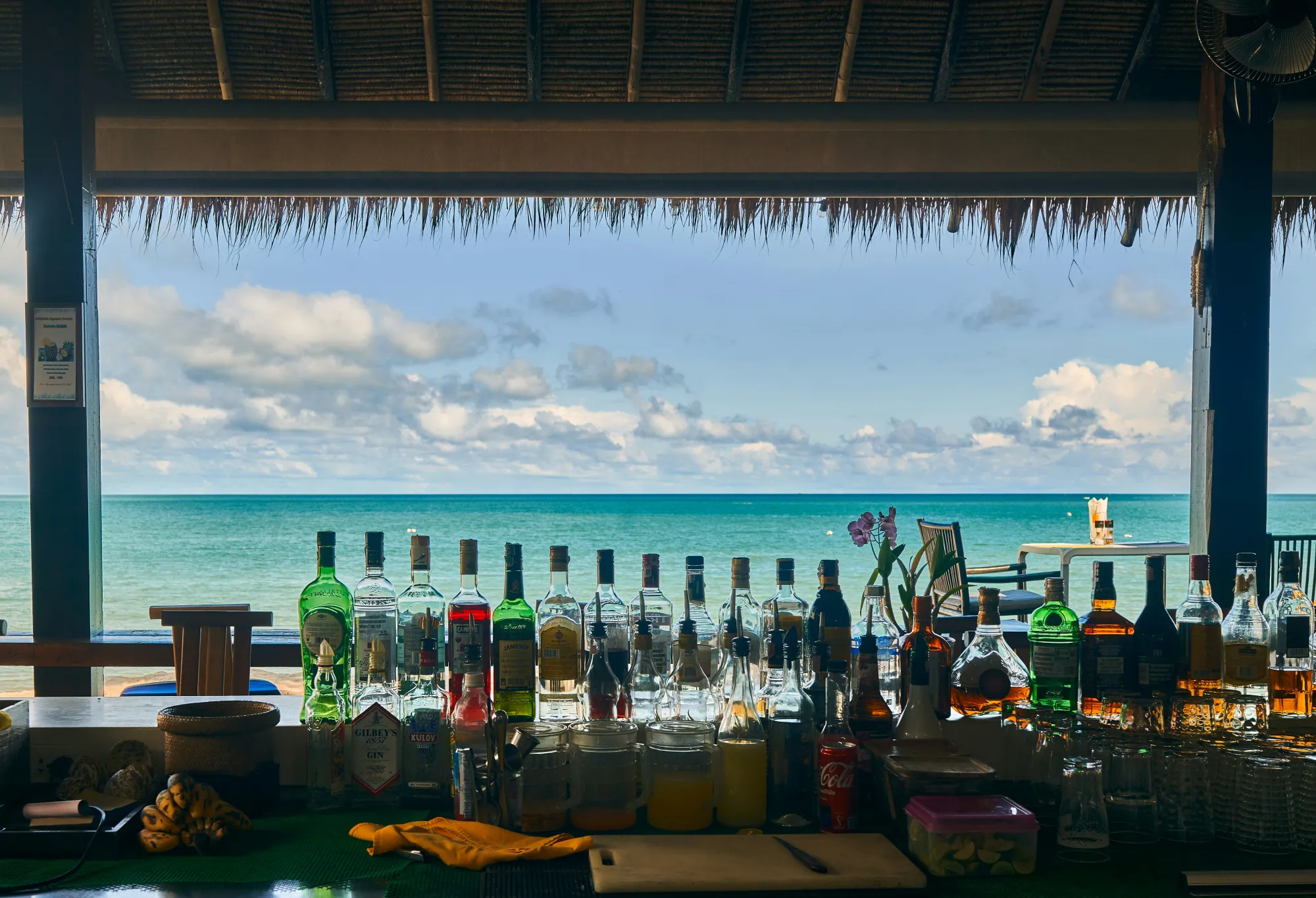
Unwind by the Waves: The Best Beach Bars in Mombasa and the North Coast
Mombasa’s sun-drenched coastline has long been a magnet for travelers in search of tropical bliss—but it’s not just about white sand beaches and warm, turquoise waters. As day gives way to night and the horizon glows with streaks of gold, pink, and fiery crimson, a different kind of magic begins to unfold along the North Coast. From the laid-back elegance of Nyali and the buzzing shores of Bamburi to the mellow vibes of Shanzu and the wild energy of Mtwapa, this stretch of Kenyan coastline offers more than just postcard views. It’s home to a vibrant, ever-evolving beach bar scene that fuses barefoot luxury, local rhythm, and no-holds-barred nightlife.
This is where cocktails come with a sea breeze, DJs play with the sound of crashing waves in the background, and parties often go until the first light of dawn. From reggae-infused sundowners and seafood grills on the sand to rooftop lounges and high-energy dance floors, Mombasa’s beach bars deliver an experience that’s equal parts relaxation and revelry.
Whether you’re craving a front-row seat to a dramatic Indian Ocean sunset, live music under the stars, or a moonlit beach party that pulses until sunrise, there’s a beach bar along this coast that’s calling your name.
Coastal Hotspots: The Best Beach Bars from Nyali to Shanzu and Mtwapa
Mombasa’s North Coast is a mosaic of beach vibes, each with its own rhythm and crowd. Nyali is stylish and upscale, popular with expats and locals who love a polished setting with easy access to malls and resorts. Bamburi is livelier and more touristy, packed with activities by day and party spots by night. Shanzu offers a more relaxed, slightly hidden-away charm—favored by long-stayers and return visitors looking for a quieter escape. Mtwapa, just a little farther up, is where the party never sleeps—gritty, wild, and bursting with energy long after the others wind down.
English Point: Urban Waterfront Meets Marina Chic
Urban Waterfront: Champagne with a View at English Point Directly across the Tudor Creek from Mombasa’s Old Town, English Point is a unique coastal enclave that blends contemporary luxury with nautical flair. While it lacks a traditional sandy beach, it makes up for it with sleek boardwalks and front-row views of dhows gliding across the water. This is Mombasa’s most modern waterfront, anchored by the upscale English Point Marina complex.
Bars here lean toward the refined and cosmopolitan, with lounges serving crafted cocktails, wine bars with jazz evenings, and terraces overlooking the harbor where you can sip a gin and tonic as the sun sets behind Fort Jesus. The crowd is stylish—think professionals, tourists seeking a luxe atmosphere, and locals out for an elegant evening.
It’s also one of the safest and most well-developed nightlife zones on the coast, with excellent security and easy access by car or water taxi. While not ideal for a beach swim, English Point is perfect for a more polished night out by the sea.
Nyali: Mombasa’s Chic Coastal Playground
Moonshine Beach Bar – For Sunset Cocktails and Ocean Breezes

Located within the Reef Hotel on Mount Kenya Road, Moonshine Beach Bar is one of Nyali’s most iconic spots. With an elevated deck overlooking the Indian Ocean, it delivers classic coastal charm with a twist of sophistication. The vibe is relaxed yet lively—think open-air seating, warm lighting, and a steady flow of reggae, deep house, or live acoustic sets.
It’s especially popular with couples and solo travelers looking for a more laid-back beach bar experience that still offers quality cocktails and a stylish crowd. Drinks range from KSh 500 for local beers to KSh 1,200–1,800 for premium cocktails. Food is available from the adjoining restaurant, with seafood platters and pizza being popular options.
Moonshine regularly hosts live bands on Fridays and themed sundowner events during long weekends and holidays. As part of a hotel, it caters to both guests and walk-ins, and it’s well known for its safe, well-maintained beachfront access.
Tapas Cielo – Urban Glam Meets Coastal Cool
While not directly on the sand, Tapas Cielo at Nyali Centre deserves a mention for its popularity among the upper crust of Mombasa nightlife. Technically not a beach bar, it makes up for the lack of surf with an upscale ambiance, a fine selection of Spanish tapas, and a pulsating lounge vibe that heats up after 10 PM.
On Fridays and Saturdays, it transforms into one of the liveliest spots in Nyali, attracting a well-heeled crowd of locals, expats, and visitors. Expect expertly mixed cocktails in the KSh 1,000–1,500 range, DJs spinning afrobeats and house, and a refined yet high-energy atmosphere.
Bamburi Beach: Where Party Vibes Rule
Il Covo Beach Bar & Restaurant – Style, Sound, and Sushi
Il Covo is one of the most stylish beachfront establishments in Bamburi, set right on the sand with an Italian-Japanese fusion menu and a split-level design that separates the restaurant, lounge, and nightclub. As the sun sets, Il Covo takes on a different rhythm. Downstairs is all candlelit dinners and ocean breezes. Upstairs? That’s where the party starts.
The nightclub opens around 10 PM and keeps going well past 3 AM, with DJs, theme nights, and an electric mix of travelers and locals. Entry is usually free, though special event nights may charge KSh 500–1,000.
Drinks are mid- to high-end in price: local beers go for KSh 350–450, while signature cocktails and imported spirits can hit KSh 1,500 and above. Sushi lovers swear by their maki rolls, and their wood-fired pizzas are ideal for soaking up the alcohol.
Yul’s Aquadrom Beach Bar – Action and Chill in Equal Measure

Yul’s combines a beach bar, a water sports hub, and a continental restaurant into one sprawling oceanfront venue. By day, it’s a family-friendly destination offering jet skiing and windsurfing, but by late afternoon, the bar becomes a hangout for sundowners and sports enthusiasts.
The vibe is unpretentious and welcoming. Grab a Tusker for around KSh 300 or go for one of their massive frozen daiquiris for KSh 800. There are regular reggae nights and casual DJ sessions on weekends. It’s a favorite among expats and Nairobians down for a weekend on the coast.
Food prices hover around KSh 800–1,500, with burgers, grilled seafood, and schnitzels as popular picks. As a standalone venue not affiliated with a hotel, it has a distinct local-meets-global energy.
Mint Lounge – Where Every Night Has a Theme
Hidden just off Bamburi Beach Road, Mint Lounge has become a nightlife institution for its themed nights, killer cocktails, and reliable party crowd. While it’s not directly beachfront, its popularity among beachgoers and residents alike earns it a spot on this list.
Wednesday is Ladies’ Night, Friday is Freaky Friday with DJs and drink offers, and Sunday slows it down with reggae and cocktails. The crowd is young and vibrant, often spilling out onto the open-air patio.
Drinks are reasonably priced (KSh 350–700 for cocktails, beers around KSh 250–400), and the bar menu includes snacks and grills like kuku choma (roast chicken) and chips masala. Mint doesn’t pretend to be classy—it’s raw, real, and reliably fun.
Shanzu: Laid-Back and Local with a Hint of Wild

Shanzu Beach Safari Inn Bar & Restaurant – Music, Meat, and More
Safari Inn is one of the hidden gems of Shanzu. Not flashy, not trendy—but deeply beloved. Nestled near the beach in a leafy garden setting, it feels more like a community than a bar. It’s particularly popular with German tourists and long-stay visitors, and it has a rustic charm that sets it apart.
Live music is the big draw here: Tuesday and Friday nights bring in local bands playing everything from soft rock to reggae and benga. The crowd? Mixed, mellow, and mature. There’s no dress code, no pretension—just good food, cold beer, and vibes.
Beers are cheap (KSh 200–300), and mains range from KSh 600 for a pork schnitzel to around KSh 1,200 for seafood. It’s standalone and family-owned, making it one of the most authentic experiences on the coast.
Mtwapa: The Party Never Sleeps
La Marina Restaurant and Beach Bar – Dhow Views and Dance Beats

La Marina Restaurant and Beach Bar in Mtwapa Mtwapa’s most iconic beach bar, La Marina, sits right on the creek with expansive views of traditional dhows gliding by. It’s a popular spot for sunset watchers, but it really comes alive on weekends with late-night DJ sets, bonfire parties, and themed events.
There’s a large outdoor terrace, multiple seating areas, and a menu that mixes coastal and Mediterranean fare. Drink prices are mid-range—cocktails cost about KSh 700–1,000, and beers go for KSh 250–400.
La Marina often hosts private parties, weddings, and corporate events, but it still maintains a beach bar soul. It’s ideal for groups, and the dockside setting gives it a nautical charm you won’t find elsewhere.
Kingston Beach Lounge – Dance with Your Feet in the Sand
For those chasing an open-air, all-night beach bar, Kingston is your playground. Located just north of Mtwapa town, this beach lounge delivers a full-on party atmosphere with a dancefloor directly on the sand, regular themed nights (Afro Fridays, Dancehall Saturdays), and a young, party-loving crowd.
Entry is usually free unless there’s a big headliner, and drinks are moderately priced—KSh 500–700 for cocktails, KSh 300 for local beers. Shisha is also available, and the food menu includes grilled meats, seafood, and loaded fries.
It’s a standalone venue and proudly Kenyan-owned, bringing in DJs from Nairobi and sometimes even Tanzania. If you’re looking to party with the locals until sunrise, this is where you want to be.
The Lounge at Lambada – Legendary, Loud, and Always Lively
Lambada’s Lounge has long been a Mtwapa nightlife legend. Though it’s undergone various rebrandings and refurbishments over the years, the core remains the same: big parties, booming sound systems, and a rotating cast of revelers from across Kenya and abroad.
It’s not directly on the beach but is close enough to attract beachgoers by late evening. The vibe is unapologetically hedonistic. Foam parties, car shows, artist showcases—you name it, they’ve hosted it.
Drinks here are affordable (KSh 200–350 for beers, KSh 400–600 for cocktails), and VIP booths are available for larger groups. It’s not for the faint of heart, but if you want to go hard, this is your spot.
Bonus: Maasai Beach Bar – Coastal Classic
Back in Mombasa proper, Maasai Beach Bar near Serena Beach remains a casual hangout with no frills and tons of character. Locals love it for its cold beers, grilled meats, and coastal views. It’s a great pitstop for those heading further north or wrapping up a day on the beach.
Beer goes for about KSh 250–300, and the crowd is mostly Kenyan with a few expats in the mix. Occasionally, there are acoustic performances or DJ sets, but it’s more chill than party-centric.
Travel Tips for Enjoying Mombasa’s Beach Bar Scene
Carry Some Cash—Just in Case
While virtually all major beach bars and restaurants in Mombasa accept credit and debit cards, and mobile payment systems like M-Pesa work reliably across the region, it’s still smart for travelers—especially those without a local SIM or mobile wallet—to carry a bit of cash. Smaller purchases like snacks, bottled water, or late-night tuk-tuk rides often go smoother with Kenyan shillings in hand. While you can usually pay for food and drinks with a card, tipping staff or paying for casual transport is often quicker and easier in cash.
ATMs are widely available in Nyali, Bamburi, and along Mombasa–Malindi Road, particularly near shopping malls and banks. For safety and convenience, try to withdraw during daylight hours from established bank branches or ATMs inside malls.
Dress Smart-Casual After Sunset
During the day, beach bars in Mombasa are easygoing and beachwear-friendly—swimsuits, flip-flops, tank tops, and sarongs are the norm, especially in spots right on the sand. But after sunset, the dress code tends to shift. Many venues, particularly those that double as lounges or nightclubs—like Tapas Cielo, Anuba Lounge, and Il Covo—expect patrons to dress smart-casual in the evening.
While there’s no strict enforcement, showing up in swimwear or bare feet after dark may see you turned away or just feeling out of place. Men are best off in a short-sleeved shirt or polo with clean shorts or jeans, while women typically go for sundresses, blouses, or smart separates. Dressing the part not only helps you blend in with the evening crowd but also aligns with the elevated vibe most bars aim for after dark.
Travel Smart, Especially Late at Night
Mombasa’s beach zones are generally safe, but smart transport planning goes a long way—especially if you’re staying out late or visiting bars farther north like those in Shanzu or Mtwapa. Ride-hailing apps such as Uber, Bolt, and Little Cab operate reliably in and around Nyali, Bamburi, and Mtwapa, making them the most convenient and secure option for nighttime travel.
If you’re going to more remote spots or bar-hopping up the coast, consider booking a return ride in advance or using a trusted local taxi. Avoid walking along unlit beach paths or back roads after dark, particularly if you’re alone or unfamiliar with the area. Traveling in a group, keeping your phone charged, and watching your belongings—especially when venues get crowded—is all part of a safe and enjoyable night out.
The Last Sip: Your Passport to Mombasa’s Coastal Nightlife
Whether you’re craving a chic sundowner with ocean views in Nyali, an all-night dancefloor frenzy in Mtwapa, or a breezy, no-frills local joint tucked away in Shanzu, Mombasa’s northern coastline has a beach bar for every mood and moment. These aren’t just watering holes—they’re the heartbeat of coastal nightlife, where cultures converge, stories unfold, and the Indian Ocean sets the soundtrack.
In many ways, a night out at one of Mombasa’s beach bars is a rite of passage for any traveler exploring Kenya’s coast. It’s where strangers become friends, where time moves to the rhythm of the tides, and where the tropical spirit of East Africa comes alive.
So slip off your shoes, claim your spot in the sand, and let the warm breeze, cold drinks, and good music carry you deep into the night. This is Mombasa—vivid, vibrant, and always ready to party.
See Also