Welcome to bauck.com Sites. This is your first post. Edit or delete it, then start writing!
Author: webmaster
-
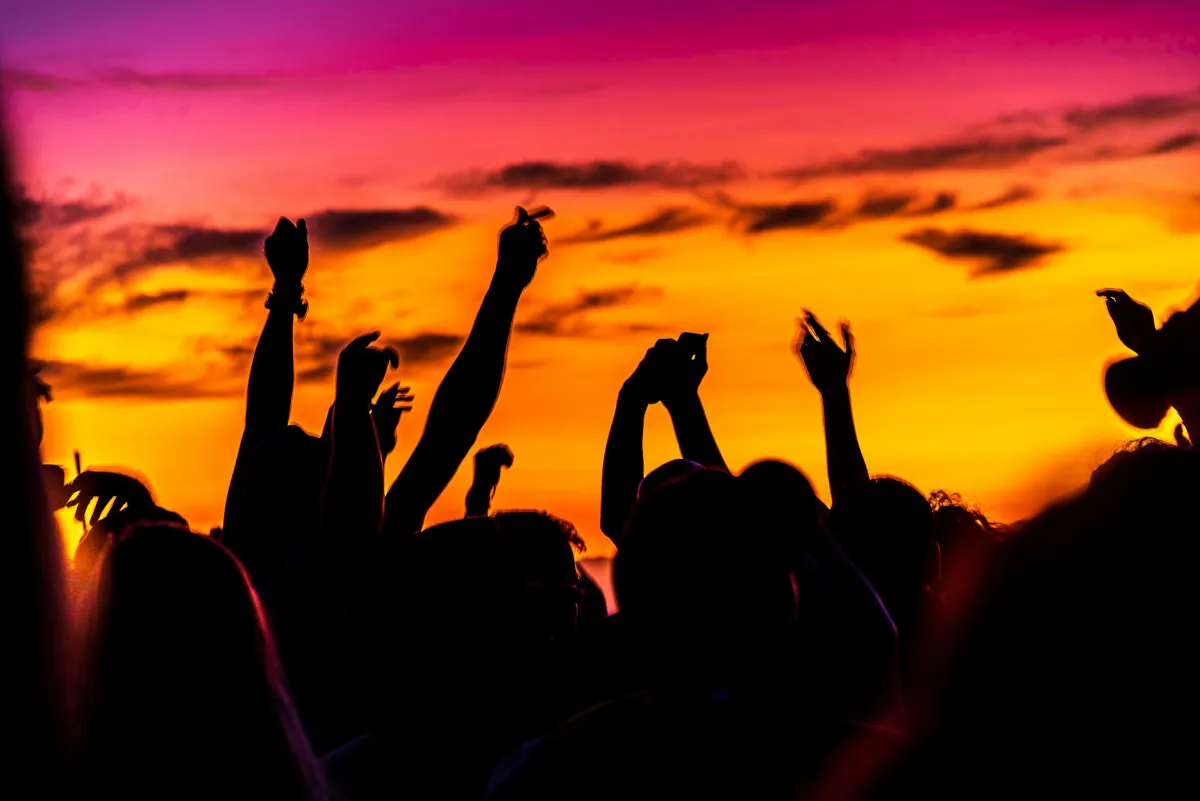
Mombasa After Dark: The Coastline Built for Clubbing
In Mombasa, the line separating lazy beach afternoons from all‑night clubbing is as thin—and flutter‑light—as a freshly fallen palm frond. One minute you’re rinsing sand from your flip‑flops while street hawkers holler for your last coconut; the next, you’re bathed in lasers, nursing a rum‑spiked madafu, and feeling basslines roll in on the same tide that carried dhow traders centuries ago.
This city refuses to confine its party spirit inside windowless basements; instead, it splashes beats across powder‑soft beaches, breezy rooftops, and antique dhows whose sails once hauled cloves and coral. Google “best hotspots for clubbing in Kenya” or “Is Mombasa a good place for partying?” and the shoreline itself booms back an answer—equal parts confident grin and thunderous sound system, salted by Indian‑Ocean mist and backlit by swaying silhouettes of coconut trees.
Beach‑loving party animals, boozy tropical tourists, and experience‑hungry travellers of every decade—especially those who believe sunrise tastes better after the final track fades—should tune in extra closely.
The Mombasa After-Dark Hitlist
Beach Bars with Vibes
Coco’s Beach Bar – Polished and Chill
Attached to Sarova Whitesands, Coco’s has long been the go-to beachfront bar for travelers who want cocktails without chaos. Palm trees frame white parasols and cushioned lounges, while the gentle rumble of the ocean soundtracks the vibe.
Coco’s eases into the night with live acoustic sets, especially on weekends. The DJs here don’t scream into mics or drop bass like anvils—they groove, blending Amapiano, Afrobeats, and soft house like bartenders layering a perfect mojito.
It’s not a place for wild dancing, but it’s where many a night out begins—with a sundowner and a plan.
Pirates Beach Bar – The Reggae Ritual
This is where the locals go. And you know it the second you step onto the sand. No dress code, no pretense. Just the smell of nyama choma wafting from charcoal grills, thumping riddims, and a salty crowd swaying like seaweed.
The reggae here is loud. The Tusker is cheap. The crowd is mixed. There are no LED wristbands or drink tokens—just honest-to-God partying beside the ocean.
If you’re on a budget or you just want the raw, uncut Mombasa beach bar experience, Pirates delivers. Loud, warm, a little chaotic. Just like the city.
Moonshine Beach Bar – DJ Heat with a Breeze

Right on the shoreline in Nyali, Moonshine attracts a more mixed crowd: tourists, locals, backpackers, and expats. While it’s more structured than Pirates, it’s less posh than Coco’s—think sweet spot.
There’s no foam cannon here (despite what other sources may say—don’t believe the hype). What you will find is regular DJ nights featuring house, Afrobeat, and the occasional surprise dancehall set. Drinks are reasonably priced, the crowd is loose but lively, and there’s enough space to either dance or chill.
Best of all? You can still hear the ocean.
The Lookout Bar – The Sundowner’s Stage
Perched at Voyager Beach Resort, The Lookout Bar is Mombasa’s hidden pre-party gem. High enough to catch the breeze, close enough to hear the waves, it’s the place to sip a Dawa while the sun slides into the horizon like a disco ball melting into the ocean.
Occasionally, a soft sax or acoustic guitarist adds magic. Most nights, it’s the slow buzz of conversation, clinking glasses, and the soft rustle of palms that keep the vibe alive. It’s where your night out gets permission to begin.
High-Energy Clubs for Serious Clubbing
Hypnotica – Where the Bass Lives
Located in Nyali, Hypnotica is a longtime favorite for clubbers who came to move. The lighting system looks like it was imported straight from a music festival, and the sound system could probably launch a satellite. The dancefloor is dark, packed, and pulsing.
Hypnotica doesn’t mess around. Its DJ sets are tight, the crowd is hungry, and it runs late. From Afro-house to Bongo to the latest club anthems, this is where you go when you really want to go out.
VIP booths are available, though many just wedge themselves into the crowd, sweat it out, and order another round.
Sheba Lounge – The Rooftop That Hits
Sitting at the top of City Mall in Nyali, Sheba is where cocktails meet clubbing with no middleman. It’s not rooftop in the “skyline skyscraper” sense—it’s Mombasa rooftop: casual, open-air, and buzzing with coastal heat.
Packed on weekends, Sheba leans into Afrobeats, Gengetone, and trending East African club hits. The crowd skews younger, but don’t be surprised to spot some 40-somethings out-dancing the TikTok set.
With a bar that doesn’t skimp and a dancefloor that doesn’t quit, it’s a safe bet for anyone looking to club properly.
Anuba Lounge – Loud, Local, Loved
Right at Nyali Centre, Anuba feels gritty in a good way. There’s nothing fake about it. The music hits heavy. The drinks are poured strong. And the dancefloor? Constant motion.
It’s not “underground,” but it’s also not trying to be international glam. It’s unapologetically Mombasa. On most nights, expect a playlist stacked with Kenyan urban hits, Gengetone, Afrobeat, and just enough throwbacks to keep the vibes democratic.
Come with friends, come hungry for noise, and come ready to sweat.
More Clubs That Prove Mombasa Doesn’t Sleep
Zero 01 Lounge – Sleek, Loud, and Unapologetically Urban
Hidden in the Mombasa CBD near Moi Avenue, Zero 01 Lounge is where Nairobi’s clubbing energy meets coastal chill. The crowd is diverse: bankers in shiny loafers, fashionistas in bodycon dresses, DJs dropping amapiano bombs between Bongo hits, and a dancefloor that stays jammed until 5 a.m.
It’s multi-level, multi-bar, and occasionally feels like someone dropped a mini Westlands into the heart of Old Mombasa. The sound system is a monster, and the clubbing experience is intense—from the sensory-overload lighting to the hypnotic drink specials and guest DJ takeovers. VIP booths fill fast on weekends, so reserve early or bring your best I-know-the-bouncer smile.
Zero 01 isn’t by the beach, but it makes up for that with sheer intensity. This is clubbing at full throttle.
Club Mios – Coastal, Confident, and Full of Fire
Nestled in Bamburi near the Kenol roundabout, Club Mios is a favorite for serious local clubbers. It’s not fancy, but that’s not the point. This place is built for stamina. You come here to dance until your shirt sticks, sip affordable shots, and dive headfirst into a playlist that includes everything from gengetone and riddim to Congolese rumba and coastal pop bangers.
The club has an open-air vibe in parts, with smokers and dancers spilling into the night as tuk-tuks glide past outside. On Fridays, the crowd swells with working-class locals and weekend warriors ready to turn up hard. The drink deals are solid, the service is fast (enough), and the party goes until the last speaker is unplugged—sometimes well after sunrise.
Mios is a no-frills, all-thrills spot. If you want to experience real coastal clubbing, this is it.
Casablanca Club – The Old-School Legend
Ah, Casablanca. Ask anyone who’s partied in Mombasa for more than a decade, and this name will make them smirk with nostalgia. Located on Mnazi Moja Road, this is one of the OG nightclubs in the city—and though the city has changed around it, Casablanca is still very much alive.
The space is sprawling: several bars, an open terrace, and an interior clubbing area that throbs with history and bass. You’ll meet everyone here—from tourists chasing the “real Mombasa” to locals reliving the clubbing scenes of their youth. The playlist swings between East African pop, old-school R&B, and straight-up dancehall.
It’s not the newest or glossiest venue in town, but Casablanca delivers on energy, nostalgia, and variety. It’s a classic for a reason. If you’re doing a proper Mombasa clubbing tour, skip Casablanca and your passport should be revoked.
Laid-Back Spots with Lounge Appeal
Not every night has to involve neon strobes and spilled vodka sodas. Mombasa also caters to those who like their clubbing experience with a bit more air and a bit less chaos.
Tapas Cielo – Classy Drinks with a DJ Twist
Set on the rooftop of Nyali Centre, Tapas Cielo is where style meets beats. This isn’t a dance-until-you-drop kind of venue. It’s for pre-gaming in linen shirts, sipping mojitos, and maybe sliding into a karaoke mic after one too many caipirinhas.
On weekends, DJs spin smooth Afrobeats and deep house while patrons drift between tables and the bar. There’s dancing, yes, but more “let’s sway and flirt” than “let’s jump and sweat.” It’s perfect for date night or starting your clubbing itinerary with a bit of class.
The Lounge Bar at Voyager – Quiet Clubbing Energy
Technically inside Voyager Beach Resort, this bar deserves a mention because it nails the elusive “chill party” vibe. Think acoustic sets, candlelit tables, and bartenders who know how to make a proper whiskey sour. If you’re not in the mood for full-blown clubbing but still want that holiday-night-out glow, this is your move.
And when you’re ready to turn it up? You’re just five minutes from Hypnotica and Anuba. Or grab a tuk-tuk and go full beast mode at Club Mios. That’s the beauty of Mombasa clubbing—it’s all connected.

Urban Waterfront: Champagne with a View at English Point EnglishPoint Marina Lounge – Sleek Nights by the Water
For a more refined approach to nightlife, EnglishPoint Marina brings luxury into the clubbing equation. You won’t find anyone grinding to gengetone here—but you will find plush lounge seating, polished floors gleaming under soft lighting, and yachts bobbing silently in the harbor like patient, glittering giants. The skyline of Old Town shimmers across the water, and the air smells faintly of salt, saffron, and someone’s designer cologne.
Bartenders here don’t just pour—they perform. Cucumber-mint martinis arrive perfectly balanced, old fashioneds come with orange-zest smoke curling out of crystal glasses, and even a simple G&T feels like an event. The music starts mellow—Afrohouse, nu-jazz, or liquid soul—but with the right crowd, it builds. Slowly. Smoothly. Until suddenly you realize you’re clubbing in a space where the dress code is crisp linen, not crop tops.
EnglishPoint isn’t loud. It’s confident. It’s where business travelers unwind, creatives celebrate, and couples turn post-dinner drinks into accidental all-nighters. Come to impress. Come to connect. Or just come for a moment of sea-slicked serenity with a soundtrack. This is grown-up clubbing in Mombasa—less strobe, more seduction.
Only-in-Mombasa Nightlife Experiences
Dhow Discos – Floating Clubbing, Swahili Style

Dhow sunset parties – an unforgettable signature experience Forget rooftops. Mombasa’s most unique clubbing experience floats. Literally.
Traditional wooden dhows—the same kind once used for trading across the Indian Ocean—are now party vessels, fully kitted out with portable DJ decks, coolers full of drinks, and disco lights that bounce off the waves. These “dhow discos” usually depart from Tudor Creek or the Old Town waterfront around 8 p.m. and return only when the sound dies—or the tide demands it.
The crowd is small but energetic. The music? Anything from Swahili soul to EDM, depending on who booked the night. The real magic, though, is watching the Mombasa skyline blur behind you as you’re two-stepping under the stars. You haven’t experienced coastal clubbing until you’ve done it with your feet on polished teak and your drink clinking to the rhythm of the tide.
Yacht Parties – Clubbing for the Champagne Crowd

Got a crew? Got a budget? Then level up your night with a private yacht party. Several operators based around EnglishPoint Marina offer chartered evening cruises with full sound setups, bartenders, and panoramic views of the city.
This is where birthdays turn into music videos. You board in linen, pop bottles under the moonlight, and get off the boat three hours later wondering whether you just lived a dream—or missed half of it while taking Instagram stories.
Pro tip: Book well in advance, bring your own DJ if you want full control of the vibe, and don’t forget your swimwear (some of these turn into floating pool parties).
Nyali–Bamburi Pub Crawls – Coastal Chaos, Tuk-Tuk Style
Start at Tapas. End at Mios. Or vice versa. The truth is, there’s no fixed path to a Mombasa pub crawl—only the momentum of good music, decent drinks, and tuk-tuks willing to race you to the next stop.
A typical coastal clubbing crawl might hit:
- Tapas Cielo for cocktail warmups
- Sheba Lounge for the first dance
- Anuba for the main heat
- Hypnotica when things go feral
- Club Mios for the afterparty
- Mama Ngina Drive for post-clubbing food
Most nights, the route is determined by DJ lineups, who’s offering drink specials, and whether someone in your group has a crush on the bartender at the next bar. Embrace the chaos. It’s half the fun.
Street Food That Powers the Party
If you haven’t ended your night in a crowd of dancers slumped over plastic tables with octopus skewers in one hand and sugarcane juice in the other, you’re not doing Mombasa right.
Mama Ngina Drive – The Afterparty Buffet
Located on a stretch of waterfront popular with families by day and partygoers by night, Mama Ngina Drive becomes the go-to fuel stop after clubbing. Try the chilli-lime grilled octopus, shawarma loaded with garlic sauce, or mshikaki cooked over open coals. Vendors here are used to dealing with loud, tipsy customers. Your midnight antics won’t even make the top 50.
Buxton Junction – Where the Bhajias Hit Different
This roundabout near the bridge into Nyali is home to some of Mombasa’s most legendary street snacks. Piping hot samosas. Crispy bhajias. Heavily spiced chips masala. And all served with side-eye from aunties who’ve seen hundreds of clubbing zombies like you stumble in before sunrise.
Pair it with a cold Stoney or a mango smoothie, then grab a tuk-tuk back to your hotel—or directly to the beach if you’re chasing that sunrise moment.
Getting Around Without Getting Got
Clubbing in Mombasa is fun. Getting stranded at 3 a.m. is not.
Rides, Routes & Red Flags
- Bolt is widely available, and most clubs have security staff who can help you call one.
- Tuk-tuks are great for short distances—cheap, fast, and easy to flag down even at 4 a.m.
- Matatus run late but aren’t recommended for tourists after dark.
Stick to well-lit routes, keep your valuables zipped up, and always ride with a buddy if you’re far from your accommodation. Mombasa is generally safe, but like any party destination, you need to keep your wits as sharp as your dance moves.
When to Party Hard (and When to Nap Instead)
Peak Party Seasons
December through January is Mombasa’s undisputed party peak. It’s the tourist high season, and everything—from the clubs to the cocktail menus—is turned up to full volume. Venues are packed, international DJs roll in, and beach bars practically hum with nonstop coastal energy. If you like your clubbing loud, crowded, and electric, this is when to go all in.
Easter Weekend brings its own kind of madness. Locals hit the coast in droves, upcountry visitors stream into Nyali and Bamburi, and what starts as a Friday night warm-up quickly snowballs into four straight days of round-the-clock partying. Dance floors don’t empty. They rotate.
August holidays offer a more balanced chaos. Families fill the beaches by day, but by night, clubs and lounges swell with post-sunset revelers chasing DJ sets, cocktail offers, and that signature Mombasa mix of sweat and sea breeze.
Off-Peak Benefits
March to May is considered the rainy season, but don’t let a little drizzle scare you off. While it’s technically quieter, the lower crowd density means more space to dance, easier reservations, and drink specials that stretch your clubbing budget. If you’re lucky, you’ll catch a storm outside while the dance floor heats up inside—a cinematic contrast you won’t forget.
October and November sit in that sweet pre-holiday window. The weather is warm but not overwhelming, the crowds haven’t hit full throttle, and it’s prime time for yacht parties, open-air lounges, and romantic dhow cruises under star-streaked skies. It’s nightlife with breathing room, perfect for those who prefer their clubbing with a touch more calm and a lot more class.
How Much You’ll Spend on a Night Out
You don’t have to sell your kidneys to go clubbing in Mombasa—but you can spend like a baller if you want.
Budget Night
- Entry: KES 200–500 (many beach bars are free)
- Drinks: KES 300–600 per beer, KES 800–1,200 per cocktail
- Tuk-tuks: KES 200–500 within Nyali/Bamburi
- Street food: KES 100–300
Total: KES 2,000–2,500
Mid-Tier Night
- Entry: KES 500–1,000
- Drinks: Mix of cocktails and beers
- One or two venue hops + Bolt rides
- Late-night eats, maybe a bottle
Total: KES 5,000–10,000
Blowout Night
- Private table or lounge reservation
- Premium liquor, champagne
- Dhow/yacht party or multi-venue crawl
- Afterparty + transport + hangover brunch
Total: KES 15,000+
(This is the kind of night you explain later with “I blacked out, but in a responsible way.”)Mombasa vs. the Rest: Why It Wins
Compared to Nairobi:
- Nairobi has massive clubs and big DJs—but you’re partying with skyscrapers, not stars.
- Mombasa lets you club in board shorts while barefoot, no valet needed.
Compared to Zanzibar:
- Zanzibar is curated, resort-heavy, and a little more PG.
- Mombasa is rougher, rawer, and often a whole lot more fun.
Compared to Watamu:
- Watamu is cute. But Mombasa will show you how coastal clubbing is really done.
Final Wave—Why Mombasa Outshines the Usual Party Islands
The closing chorus
Picture the loop: burnt‑orange sunset sax at Voyager drifting over glistening tide pools, foam‑slick belly‑flops at Moonshine as UV cannons hiss like tropical blizzards, rooftop cinnamon smoke curling beneath Orion while tuk‑tuks honk below, barefoot reggae on tide‑packed sand where sparks fly from mbuzi‑choma grills—echoing the carefree buzz you might remember from partying in Zanzibar—secret jazz echoing through coral‑rag archways scented with cardamom, warehouse lasers five minutes from the surf painting neon reefs across Hypnotica’s ceiling, a floating dhow disco rocking beneath star‑shock skies so clear you can trace the Milky Way’s sugar trail—and finally, a chilli‑smeared octopus breakfast at Mama Ngina while dawn turns the Indian Ocean lilac.
That’s one coastal clubbing marathon stitched with Swahili heritage, spice‑route aromas, and an open‑door vibe that scoffs at velvet ropes. You haven’t merely gone clubbing; you’ve time‑travelled along centuries‑old trade winds, danced on living history, and tasted the sea at every intermission.
Your invitation
So pack reef‑safe glitter small enough to share, practise saying “Niko sawa” (I’m good) for every friendly stranger offering another round, and trust the tide to DJ your party agenda. Mombasa’s nightlife is an endless swell—each wave a brand‑new track, each sunrise just another encore begging you to stay on the dancefloor a little longer. Dive in, dance hard, nap later, and let this shoreline prove exactly why the city never, ever sleeps.
It is the party.
-
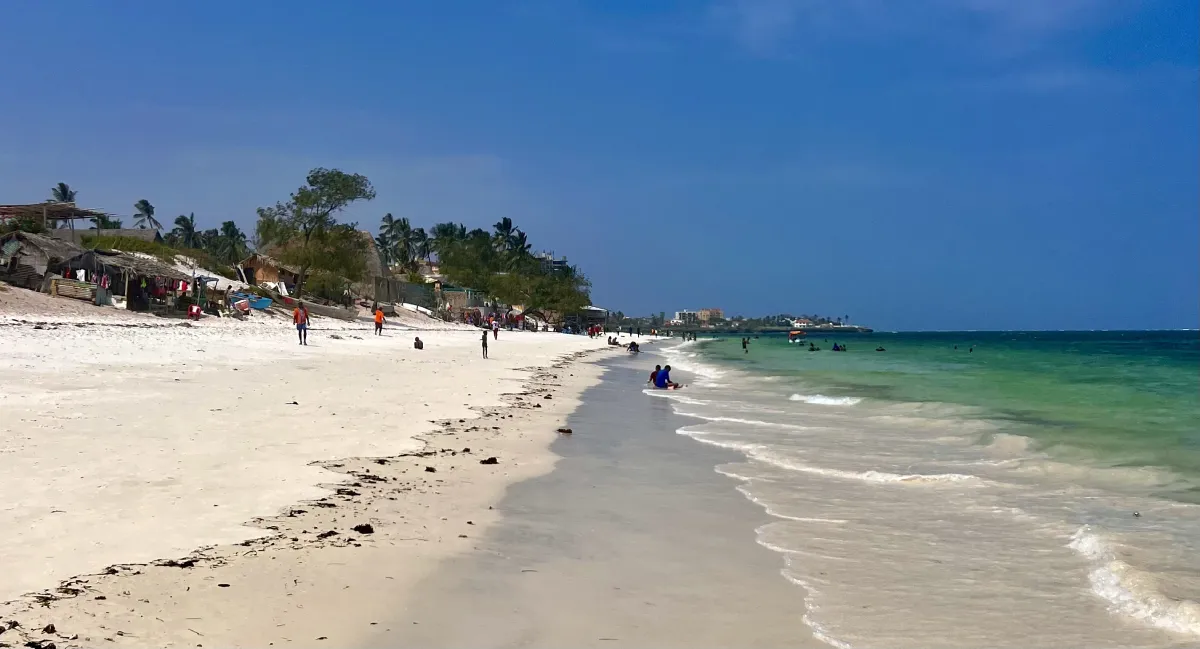
Nyali Beach: Mombasa’s Coastal Gem for Sun-Seekers and Serenity Lovers
Nyali isn’t just another beach—it’s a coastal lifestyle statement. Located just across the Nyali Bridge from the hustle of Mombasa Island, this upscale neighborhood delivers a perfectly calibrated blend of tropical leisure and urban convenience. With wide, palm-fringed roads, swanky beach resorts, stylish Airbnbs, high-end malls, and a laid-back rhythm of life, Nyali Beach has become Mombasa’s favorite seaside escape. It’s where long weekends turn into extended stays, and where visitors return not just for the views—but for the vibe. Whether you’re a sun-worshipper chasing the perfect tan, a foodie exploring Swahili fusion, or a traveler looking for balance between adventure and calm, Nyali wraps it all in one salty, sunlit package—effortlessly sophisticated, yet unmistakably Kenyan.
The Nyali Beach Experience
Nyali Beach is long, clean, and blessed with soft white sands and warm Indian Ocean waters. Unlike other touristy spots where the beach is overrun with vendors or jammed with resorts, Nyali manages to maintain a sense of space and serenity. The atmosphere is relaxed, with locals and travelers alike strolling the shore, jogging at dawn, or enjoying impromptu volleyball matches. The beach is swimmable during most tides, and the coral reef offshore keeps the waves gentle near the shore.
The morning hours belong to dog walkers, joggers, and yoga enthusiasts who set up their mats close to the water’s edge. By late morning, the beach starts filling with families, sunbathers, and water sports operators. Paddleboards, jet skis, and banana boats are easily available from trusted local vendors, while glass-bottom boats take curious visitors out to explore the reef.
Snorkeling near the reef offers a view into the Mombasa Marine National Park’s underwater wonders—colorful fish, sea urchins, corals, and even the occasional turtle. For those with diving certification, several Nyali-based dive centers organize excursions deeper into the marine park. The water clarity is usually best in the early mornings, and the reef system here is among the most accessible in East Africa.
Beach vendors at Nyali are relatively low-pressure. You’ll be offered madafu (fresh coconut water), grilled maize, beach sarongs, and handmade beadwork. A polite “no, asante” is usually respected. If you’re interested, haggling is expected—and often, half the fun.
Things to Do in Nyali
Mamba Village
East Africa’s largest crocodile farm, Mamba Village is one of Nyali’s most famous attractions. It’s home to hundreds of crocodiles in various stages of life—from baby hatchlings to massive adults that look like prehistoric tanks. The highlight for many is the daily feeding session, where massive jaws snap down on hunks of meat with a sound that’s impossible to forget. The park also features a botanical garden, camel rides for kids, a curio market, and a restaurant that—controversially—serves crocodile meat. Love it or leave it, Mamba Village is uniquely Nyali.
Wild Waters Kenya
Located just off Links Road, Wild Waters is a family-friendly water park that offers a break from the beach without giving up on the fun. The park has a wide variety of water slides, a wave pool, splash areas for kids, and even a lazy river. It’s a top weekend attraction for local families, so weekdays are best for avoiding crowds. The food court inside sells classic Kenyan fast food—think fries, sausages, burgers, and fruit juice. Tickets are affordable, and the park is well-managed with safety guards on duty.
Nyali Golf and Country Club
For travelers who like to swap their sandals for spikes, Nyali Golf Club provides one of Kenya’s most scenic golf experiences. This 18-hole course, established in the 1930s, is shaded by mature trees and offers sea breezes that make even the toughest holes feel bearable. Day visitors are welcome, and rentals are available. The clubhouse serves cold beer, hearty post-game meals, and boasts colonial charm in both service and setting. Even if you don’t play, the serenity and setting are worth a lunch visit.
Mombasa Marine National Park

Mombasa Marine National Park Snorkeling and diving at the Mombasa Marine Park can be arranged through several experienced operators based right in Nyali. Glass-bottom boats pick up directly from Nyali Beach and cruise out into the crystal-clear waters of this protected marine sanctuary, where fishing is strictly prohibited and coral life flourishes undisturbed.
The reef is vibrant and teeming with more than 200 species of fish, dolphins, octopuses, sea turtles, rays, and the occasional reef shark gliding by. Expect a kaleidoscope of parrotfish, angelfish, and anemones beneath the surface. Visibility is best between January and March when the waters are calm and the sunlight penetrates deep into the reef, though tours are available year-round, depending on sea conditions. Whether you’re a seasoned diver or a first-time snorkeler, Mombasa Marine Park offers a rewarding glimpse into Kenya’s rich underwater world just minutes from the Nyali shoreline.
Eat Your Way Through Nyali
Upscale Dining and Iconic Views

Fine dining and exquisite seafood at the Tamarind Restaurant Tamarind Mombasa may be just across the creek, but it’s firmly part of the Nyali experience. With Arabian architecture, impeccable seafood, and a floating dhow restaurant, Tamarind offers fine dining in a timeless setting. Signature dishes include lobster thermidor and crab in Swahili coconut sauce. Pair with a Tamarind Martini and you’ll understand why this place is legendary.
Lookout Bar at Voyager Beach Resort is perfect for a casual drink with a view. Perched above the ocean, the bar gets breezy in the late afternoon and is the ideal place to sip something cold while watching the sun drop below the waves. The cocktails are strong, and the vibe is pure coastal Kenya.
Maroc Swahili Cuisine 001 delivers a more modern, lounge-style atmosphere with shisha, Swahili-Moroccan fusion cuisine, and live DJs on weekends. Located right by the sea, it’s perfect for sunset dinners, romantic dates, or small group meetups. Try their grilled prawns, lamb tagine, and coconut rice—you won’t be disappointed.
Global and Fusion Favorites
Misono Japanese Restaurant is one of Nyali’s most consistently good eateries. Hidden in a leafy garden off Links Road, Misono serves teppanyaki, fresh sushi, and miso soup that rivals what you’d find in Tokyo. The setting is peaceful, and service is always attentive.
Cultura is a trendy indoor-outdoor spot that brings together global flavors with a relaxed boho vibe. It’s great for brunch, cocktails, and casual dinners. Expect dishes like pulled beef tacos, beetroot hummus, and rosemary chicken wings.
Roberto’s Italian delivers hearty, authentic Italian fare with a warm and welcoming feel. It’s family-friendly and consistently busy, thanks to its classic menu of wood-fired pizzas, creamy pastas, and decadent tiramisu.
Cafesserie, located in City Mall, is more than just a café. It’s a full restaurant offering breakfast, lunch, and dinner with a continental menu. Try their eggs benedict or almond croissants in the morning and come back later for their signature beef fillet with herb butter.
Tarboush Grill and Karahi Kitchen are long-time Nyali staples that deliver on flavor and quantity. Tarboush leans into Arabic grills and shawarmas, while Karahi Kitchen serves up Pakistani and coastal Indian curries, chapatis, and naan that arrives hot and bubbling.
Street Food and Local Favorites

Mshikaki – Grilled Meat Skewers – A Street Food Classic Among Traditional Local Dishes in Mombasa No guide to eating in Nyali would be complete without highlighting its street food culture. While Nyali leans upscale, it still knows how to feed you from a plastic stool under an acacia tree.
Head to the area near Total Nyali, Nyali Cinemax, and Nyali Posta where street vendors set up in the late afternoon. Here you’ll find mshikaki (beef skewers), viazi karai (deep-fried potato bites with chili sauce), bhajias, samosas, and mutura (spiced African blood sausage). Prices are local, flavor is maximum, and hygiene is usually decent—though always judge by how busy the stall is.
Thirsty? Try fresh sugarcane juice, passion fruit juice, or a madafu—chilled coconut with a straw in it, cracked open right in front of you.
If you’re more adventurous, venture into Kongowea Market, a short tuk-tuk ride from the beach. This sprawling, chaotic market is Mombasa’s biggest and buzzes with fishmongers, spice traders, butchers, fruit sellers, and Swahili food stalls dishing up biryani, pilau, grilled fish, and tamarind chutneys.
Shopping and Local Vibes
City Mall
Nyali’s primary retail hub, City Mall, offers more than just shopping. Anchored by Carrefour, the mall includes clothing stores, electronics outlets, pharmacies, salons, a cinema, and fast food joints. It’s clean, air-conditioned, and a useful stop whether you’re staying nearby or prepping for a road trip up the coast.
Nyali Centre
Quieter and more compact than City Mall, Nyali Centre is anchored by Chandarana Foodplus and includes Java House, fashion boutiques, a bookstore, and ATMs. It’s convenient, especially if you’re staying on Links Road or Mt. Kenya Road.
Local Art and Curio Shopping
Nyali’s roadside stalls and small curio shops offer souvenirs, décor, and wearable art made by local craftspeople. Look for kikoys, lesos, beaded sandals, soapstone carvings, and colorful Tinga Tinga paintings. Some of the best vendors set up just outside the big resorts or along the stretch between Nyali Cinemax and the Reef Hotel. Don’t hesitate to haggle—it’s expected.
Where to Stay in Nyali
Luxury
Urban Waterfront: Champagne with a View at English Point Hotel EnglishPoint Marina
Although technically just outside Nyali on the creekfront, it’s close enough to count. This modern property offers luxurious waterfront apartments, a rooftop pool, private marina, fine dining, and stunning views of Fort Jesus and Old Town across the water.Voyager Beach Resort
This cruise-themed resort is one of the most established in Nyali. With three pools, themed dining nights, kids’ clubs, and an active animation team, it’s ideal for families or those who want everything handled for them. It sits directly on the beach and has expansive gardens and ocean-facing rooms.Boutique
Bliss Resort
Located along Links Road, Bliss is a solid mid-to-upscale choice with clean rooms, a pool, restaurant, and conference facilities. It’s not beachfront but is a short ride from the sand and offers good value for couples and business travelers.Sun Africa Nyali Beach Hotel
One of the few true beachfront boutique options, Sun Africa combines traditional coastal design with modern hospitality. The location is excellent for beach walks, and the rooms feel a world away from city bustle.Armaan Suites and Restaurant
Offering spacious, apartment-style suites, this property is popular with long-stay visitors and those who want a kitchenette. It’s inland but within quick reach of the beach and malls.Mid-Range

Reef Hotel Mombasa – an old classic in Nyali. Also home to the legendary Moonshine Bar Reef Hotel
A long-time fixture on the beachfront, Reef offers older but spacious rooms, a large pool, and direct beach access. It’s laid-back, family-friendly, and has an unbeatable location just steps from the sand. While it’s not luxury by modern standards, it offers nostalgic coastal charm with a touch of old-school Mombasa character.Nyali Beach Hotel
Once the toast of Kenya’s coastal elite, Nyali Beach Hotel still retains its retro grandeur. Set on a large oceanfront property with wide lawns, a massive pool, and colonial-era architecture, it’s a reminder of the beach town’s long tourism legacy.Airbnbs in All Price Ranges
Nyali’s residential charm and leafy boulevards make it ideal for Airbnb travelers. Options range from $25/night studios in secure apartments to $300/night villas with private pools and ocean views. Many properties are in walking distance to the beach, restaurants, and shopping centers. Areas around Greenwood Drive, Links Road, and Nyali Golf Club are particularly popular.
Whether you’re a solo traveler looking for a quiet crash pad or a group needing a spacious home with a pool and chef, Nyali delivers. Most listings include Wi-Fi, backup power, and security—just be sure to check reviews before booking.
Budget
Moffat Court Hotel
Clean, simple, and centrally located, Moffat Court is one of the better-known budget hotels in Nyali. Rooms are functional, air-conditioned, and come with breakfast. Great for backpackers, solo travelers, or business guests on a shoestring.Also worth considering are budget Airbnbs, homestays, and family-run guesthouses tucked into Nyali’s quiet residential streets. While they might not offer beach views or room service, they make up for it with affordability and often surprisingly warm hospitality.
Getting to Nyali
Nyali Bridge

Nyali is accessible via the Nyali Bridge, the main artery linking Mombasa Island to the mainland’s north coast. Whether you’re arriving from Moi International Airport, the SGR train, or the port, you’ll likely cross this bridge. Expect some congestion during peak hours, but the view across Tudor Creek is gorgeous—especially around sunset.
Infrastructure Developments
A second Nyali Bridge is in planning, aimed at reducing congestion and improving access for the growing number of residents and tourists.
The Northern Bypass project will eventually connect Nyali directly with Shanzu, Mtwapa, and Mombasa Airport—dramatically reducing travel time and bypassing Mombasa Island entirely. Until then, the main access remains through town or via the current bridge.
Malindi Road (B8)
Nyali lies along the Malindi Road, part of the larger B8 highway that continues up the coast toward Kilifi, Watamu, and Malindi. Recently expanded to remove a long-standing traffic bottleneck, this stretch now offers smoother access between Nyali and Mtwapa—dramatically improving travel times to and from the North Coast. The road is well-maintained, lined with businesses, fruit stalls, and local shops, and remains a vital lifeline for both commuters and tourists heading north on scenic coastal road trips.
Getting Around Nyali
Uber and Bolt
Both ride-hailing apps are available in Nyali—but don’t expect Nairobi-style professionalism. Most drivers will call you immediately after accepting the ride to ask:
- “Where exactly are you?”
- “Where are you going?”
- “Are you paying cash or card?”
If you answer “card,” brace for either a delayed pickup or a passive-aggressive cancellation. Cash is king. Card users often report getting mysteriously low ratings despite behaving impeccably.
That said, rides are affordable, especially over longer distances—say, from Nyali to Old Town or Fort Jesus. Always double-check the fare before you hop in.
Tuk-tuks
Nyali runs on tuk-tuks. These three-wheeled workhorses are perfect for beach runs, market trips, or hopping between restaurants and malls. They’re cheap, everywhere, and surprisingly fast. Prices are negotiable unless you book via Bolt, which now includes tuk-tuk options.
Matatus

More than transport – Matatus are a way of life in Kenya Matatus—the brightly colored, music-blaring minibuses that define Kenyan public transport—operate on fixed routes along Malindi Road and key arteries like Links Road. They’re cheap, frequent, and bursting with personality, often adorned with graffiti-style murals, LED lights, and booming sound systems that turn every ride into a mobile party. Inside, expect tightly packed seats, quick stops, shouted destinations, and a conductor collecting fares mid-motion. For budget-conscious travelers or those craving an authentic, boots-on-the-ground experience, matatus are a wild but rewarding way to get around. Just don’t expect air conditioning, personal space, or any sense of personal bubble—but you will get a front-row seat to the real rhythm of coastal Kenya.
Final Tips for Enjoying Nyali
Best Time to Visit
The best time to visit Nyali is during the dry seasons: from December to March and again from July to October. During these months, the skies are clear, the sea is calm, and the humidity is manageable. January through March is perfect for snorkeling and diving, thanks to excellent underwater visibility. Avoid April and May if you don’t enjoy rain—this is when the long rains fall and many beach activities may be disrupted.
Safety and Etiquette
Nyali is one of Mombasa’s safest neighborhoods, but basic street smarts still apply. Avoid walking alone at night in dimly lit areas. Leave valuables locked in your hotel safe or hidden if using an Airbnb. Beach vendors are generally polite and not aggressive—just say “hapana, asante” if you’re not interested.
Dress modestly when away from the beach. Swahili culture values respectful attire, especially near mosques and markets. A light scarf or shawl can be handy when entering certain public places or touring more traditional neighborhoods.
Tipping is customary in restaurants (5–10%) and appreciated by hotel staff, beach attendants, and taxi drivers. Kenya uses the Kenyan shilling (KES), and it’s good to carry small denominations for tuk-tuks and market purchases. Credit cards are accepted at most high-end establishments, but cash is still preferred for transport, tips, and local dining.
Internet and Connectivity
Most resorts, hotels, and Airbnbs in Nyali provide decent Wi-Fi. If you’re planning to work remotely from the coast, consider getting a Safaricom SIM card and loading it with data bundles. Coverage is excellent in Nyali, and hotspots are easy to find. Cafesserie and Java House also provide good internet for digital nomads looking to work over coffee.
Why Nyali Is Mombasa’s Sweet Spot
What makes Nyali special isn’t just the beach—it’s the feeling of having everything within reach. It’s the place where upscale blends with authentic, where you can have seafood risotto for lunch and samosas from a roadside stall for dinner. Where your mornings can start with yoga by the ocean and end with shisha under the stars. And it’s all just 15 minutes from the city center.
Nyali manages to walk the line between tourist-friendly and residentially rooted. You won’t find the tourist circus of Diani here, nor the sleepy remoteness of Watamu. Instead, you’ll find a neighborhood that pulses with local life but knows how to welcome visitors—with warmth, with taste, and with just enough tide.
It’s where Mombasa’s elite live, where expats settle in long-term, and where in-the-know travelers return again and again. There’s a reason digital nomads, beach lovers, honeymooners, and even Nairobians escaping the capital all flock here.
Nyali isn’t trying to be a secret. It’s just comfortably confident that if you give it one day, you’ll stay for five.
So, What Are You Waiting For?
Grab your sunscreen, pack a kikoy, and let Nyali Beach welcome you with sea breeze, grilled fish, and a sunset that makes you forget every reason you ever had to rush.
Whether you’re coming for a few days or planning a longer stay, Nyali will meet you where you are—and take you where you need to be.
-
10 Must-Try Local Dishes in Mombasa—and Where to Eat Them
Mombasa’s food scene is as bold, diverse, and flavorful as its centuries-old maritime history. This vibrant coastal city is a crossroads of culture and cuisine, where Swahili, Indian, Arab, and Portuguese influences blend seamlessly into some of the most unforgettable local dishes in East Africa. From aromatic rice-based meals to coconut-laced stews and sizzling street food snacks, every bite in Mombasa carries a piece of its multicultural past.
Whether you’re winding your way through the spice-scented alleys of Old Town, navigating the bustling food markets of Mwembe Tayari, or enjoying a sea breeze in Nyali, one thing quickly becomes clear: food isn’t just nourishment here—it’s a cultural expression. Mombasa’s local food traditions are deeply rooted in community, shaped by trade, and passed down with pride. You’ll find flavor-packed street food sizzling on every corner, and traditional meals served with generous hospitality in even the humblest of eateries. Every local dish, from pilau to mahamri, is tied to family, history, and the rhythms of daily coastal life.
In this guide, we’ll take you on a culinary journey through ten must-try local dishes in Mombasa—highlighting what makes each one special and where to eat them. From time-tested heritage cafés to legendary street food stalls, these are the meals that define the taste of the coast.
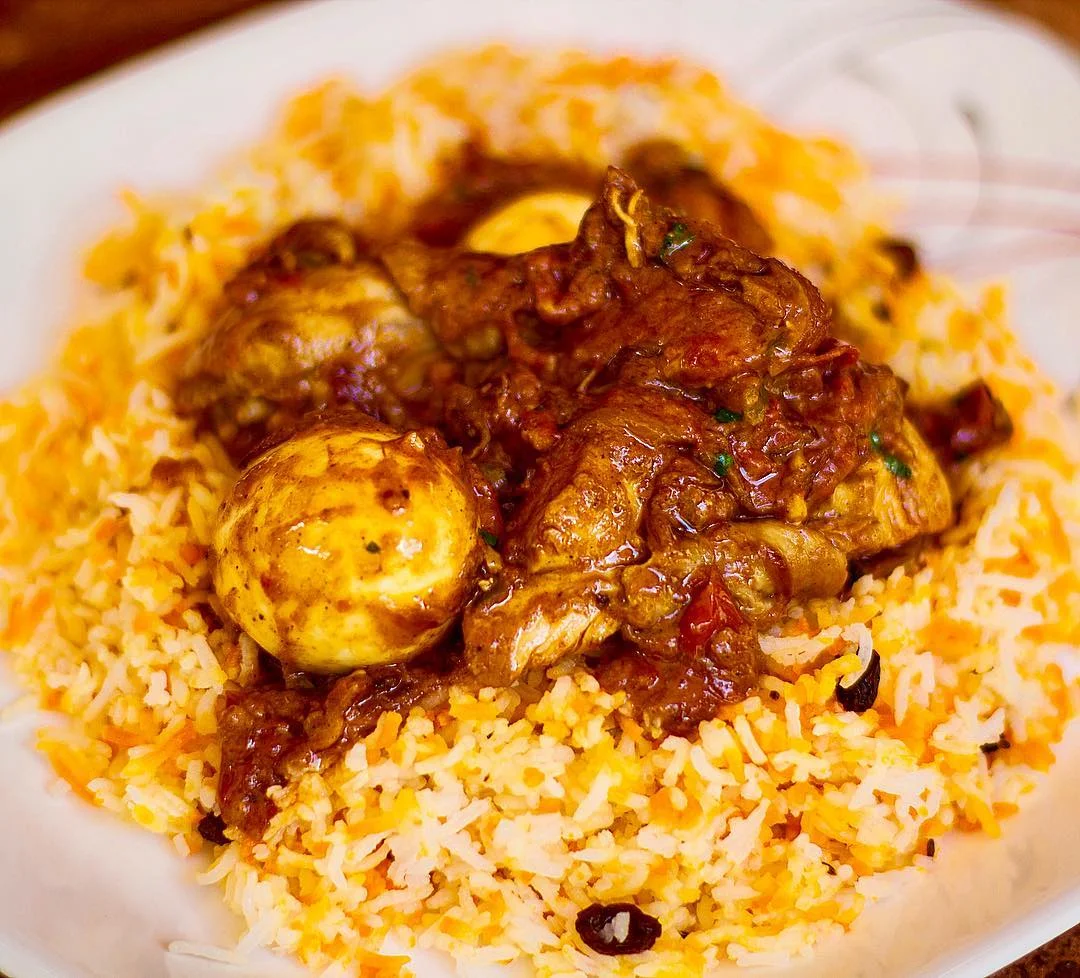
Biryani – Mombasa’s Spice-Laden Signature
A true emblem of coastal culinary fusion, Mombasa-style biryani is rich, flavorful, and unmistakably local. This iconic dish layers long-grain basmati rice with slow-cooked meat—typically chicken, beef, or goat—infused with tomatoes, garlic, ginger, cinnamon, cloves, and cardamom. The Swahili influence makes it wetter and more aromatic than the Indian version, often served with kachumbari and a tangy tamarind chutney that cuts through the richness. Among all the local dishes in Mombasa, biryani is a must-try for anyone craving bold flavor and history on a plate.
Where to Eat Biryani in Mombasa:
Barka Restaurant, Old Town – A coastal institution famed for its spicy beef biryani and signature tomato sauce.
Forodhani Restaurant, Mwembe Tayari – Offers generous portions of melt-in-your-mouth goat biryani in true Swahili style.Viazi Karai – Spiced Potatoes from the Streets
No visit to Mombasa is complete without tasting viazi karai—the city’s most beloved street food snack. Slices of potato are dipped in a turmeric-laced gram flour batter, deep-fried until golden, then served hot with ukwaju (tamarind sauce) or creamy coconut chutney. This popular local dish is crunchy, spicy, and incredibly addictive. It’s a go-to snack for locals, especially in the afternoons when hunger strikes and the streets come alive with the aroma of frying oil and spice.
Where to Eat Viazi Karai in Mombasa:
Mama Ngina Drive Food Vendors – Especially popular in the evening as families stroll the seafront.
Kibokoni Market, Old Town – A vibrant hub of street food where viazi karai is served straight from the wok.Mishkaki – Skewered Coastal BBQ

Mshikaki – Grilled Meat Skewers – A Street Food Classic Among Traditional Local Dishes in Mombasa Grilled over open charcoal and basted with chili-garlic sauce, mishkaki is one of Mombasa’s favorite local dishes and a late-night ritual for many. These marinated beef or chicken skewers combine Indian and Swahili flavors, creating a spicy-sweet glaze that caramelizes on the grill. More than just street food, mishkaki is a social experience—a staple of casual meetups and lively conversations under the stars.
Where to Eat Mishkaki in Mombasa:
Char-Choma BBQ, Nyali – Known for their smoky, tender mishkaki and spicy sauces.
Roadside Stalls along Tudor Road – Late-night favorites with long queues and massive flavor.Mahamri & Mbaazi – The Coastal Breakfast Combo

Mahamri, a.k.a Mandazi – a Traditional Local Dish in Mombasa Among the most comforting local dishes you’ll find, this traditional Swahili breakfast features mahamri, soft triangular doughnuts flavored with cardamom, and mbaazi, pigeon peas simmered in coconut milk. It’s a simple yet soul-satisfying meal that reflects Mombasa’s deep love affair with coconut and spice. Locals enjoy it at dawn with kahawa tungu (Swahili black coffee), making it an essential part of the city’s culinary rhythm.
Where to Eat Mahamri and Mbaazi in Mombasa:
Zanze Café, Makadara – A local favorite where everything is made fresh at sunrise.
Street Vendors near Mwembe Tayari – Authentic and filling, served piping hot from roadside stalls.Samaki wa Kupaka – Fish in Coconut Sauce – Crown Jewel of Swahili Local Dishes

Top among local dishes in the Swahili cuisine – Samaki wa Kupaka, or fish in coconut sauce Samaki wa kupaka is one of the crown jewels of Swahili cuisine. Meaning “fish that is slathered,” it features grilled snapper or tilapia bathed in a rich coconut sauce spiked with turmeric, garlic, chili, and lime. The fish is typically grilled once, then coated and returned to the fire for a smoky, flame-charred finish. With origins in coastal trade routes that brought coconut and spices to East Africa, this flavorful local dish reflects centuries of cultural blending. Deeply satisfying and creamy, samaki wa kupaka is best eaten by the sea—with your fingers and no distractions.
Where to Eat Samaki wa Kupaka in Mombasa:
Yul’s Aquadrom, Nyali Beach – Combines fresh seafood with beachfront ambiance.
Blue Room Restaurant, Nkrumah Road – A long-time favorite with consistently flavorful samaki wa kupaka.Pilau – Fragrant Rice with Deep Flavors

Pilau – a classic local dish along the whole East African Coast Pilau is a staple across East Africa, but Mombasa’s version is something special. This spiced rice dish—usually made with beef, but sometimes with chicken or goat—is cooked in broth with fried onions, garlic, cumin, cloves, and cinnamon. Each grain is infused with bold flavor, and it’s often paired with fresh kachumbari for balance. Among the most popular local dishes in Mombasa, pilau is a festive favorite served at weddings, feasts, and coastal gatherings.
Where to Eat Pilau in Mombasa:
Mubin’s Restaurant, Majengo – Known for their rich, beefy pilau and deep, layered spice.
New Island Dishes, Mwembe Tayari – A dependable spot for large portions at friendly prices.Kaimati – Coastal Sweet Dumplings
A treasured dessert on the Swahili coast, kaimati are small, golden dough balls fried until crisp and drenched in syrup flavored with cardamom, rosewater, or vanilla. They’re sweet, sticky, and perfectly bite-sized—ideal for satisfying a sugar craving after a spicy meal. This traditional treat is a street food staple during Ramadan, but you’ll find it year-round in markets and homes.
Where to Eat Kaimati in Mombasa:
Marikiti Market – A must-visit for sweets lovers; try them while they’re still warm.
Evening Markets in Old Town – Often sold with tamarind juice as a classic post-dinner combo.Ugali & Sukuma Wiki – Kenya’s Everyday Plate
Simple yet powerful, ugali and sukuma wiki are the backbone of Kenyan cuisine—and Mombasa puts its own twist on the classic. Ugali, a dense maize flour dough, is served with braised collard greens (sukuma wiki), often elevated with a side of tilapia kupaka, coconut beans, or spicy beef stew. It may not be flashy, but this comforting local food combination is hearty, nourishing, and deeply embedded in everyday life.
Where to Eat Ugali and Sukuma Wiki in Mombasa:
Mombasa Dishes, Majengo – A reliable spot with daily rotating plates of traditional meals.
Bella Vista, Nkrumah Road – Combines classic Kenyan food with live music and relaxed vibes.Mkate wa Sinia – Swahili Rice Cake
Mkate wa sinia is a steamed and baked rice cake made with coconut milk, sugar, and cardamom, offering a dense, slightly chewy texture and rich flavor. Usually served during tea time or special occasions, it’s one of those quiet yet elegant local dishes that showcase Mombasa’s Swahili heritage. It’s sweet but not overpowering, and always made with love.
Where to Eat Mkate wa Sinia in Mombasa:
Little Chef, Mtwapa – Offers traditional coastal pastries, including an excellent mkate wa sinia.
Swahili Dishes Restaurant, Likoni Road – A local favorite for traditional desserts and snacks.Bhajia – Crispy, Spicy, and Addictive
Bhajia are one of the most popular street food snacks you’ll find in Mombasa. These deep-fried fritters, usually made from thinly sliced potatoes coated in a spiced gram flour batter, are crispy on the outside and soft inside. The coastal version often comes with extra heat and is served with lemon slices or a tangy chutney. Bhajia reflect Mombasa’s Indian heritage and are a staple in many homes and market stalls.
Where to Eat Bhajia in Mombasa:
Mamri Bhajia House, Majengo – Famous for extra-crispy bhajias served hot with fresh chili sauce.
Kongowea Market – Street vendors here churn out freshly fried bhajias from mid-morning until dusk.Mutura – Mombasa’s Boldest Street Delicacy
Mutura is a hearty sausage made from goat or beef intestines mixed with blood and spices, then grilled slowly over charcoal. While it’s a common sight in towns across Kenya, Mombasa’s version often includes local herbs and a bolder spice mix. It’s one of the more adventurous local dishes, but for foodies who love smoky, meaty flavors, it’s an essential bite.
Where to Eat Mutura in Mombasa:
Mikindani Street Stalls – Small charcoal grills light up around dusk with vendors preparing fresh mutura.
Posta Area, CBD – A favorite late-night stop for locals looking for a cheap, protein-packed bite.Mkate wa Mayai – The Coastal Egg Wrap
Mkate wa mayai is a Swahili-style egg-stuffed chapati that brings together the best of savory coastal flavors. Eggs are whipped with diced onions, chili, and sometimes minced meat, then poured onto a sizzling chapati and folded over to create a rich, satisfying wrap. Sold at street food kiosks, it’s one of those local dishes that hits the spot any time of day—especially late at night.
Where to Eat Mkate wa Mayai in Mombasa:
Sultan Hamud Road Kiosks – Try one with a cup of tangawizi (ginger tea) for the ultimate snack experience.
Buxton Roundabout – Known for some of the spiciest and most flavorful versions.Makuti-Cooked Octopus – A Coastal Classic
If you want to taste truly authentic local food from the Swahili coast, try octopus cooked in makuti (palm fronds). Freshly caught octopus is tenderized, spiced, and slowly grilled in banana leaves or coconut husks, locking in a deep, smoky flavor. Often served with coconut rice or plantains, this dish is as local as it gets—fresh from the sea and infused with coastal soul.
Where to Eat Makuti Octopus in Mombasa:
Monsoon Restaurant, near Jumba la Mtwana – Offers grilled seafood, including octopus cooked in traditional Swahili style.
Mkoko House, Tudor Creek – Known for seafood prepared over open flames using traditional techniques.Fried Cassava – The Coast’s Favorite Street Crunch
Cassava is a staple root crop that finds its way into many local dishes, but fried cassava is by far one of the most popular snacks on the street. Sliced thick, boiled until tender, then deep-fried to a golden crisp and sprinkled with pili pili or masala salt—it’s a local street food you’ll see everywhere from the ferry terminal to the beaches.
Where to Eat Fried Cassava in Mombasa:
Mama Ngina Waterfront – Grab a cone of hot, crispy cassava and stroll along the seafront.
Ferry Terminus, Likoni Side – A street food hotspot where vendors operate late into the night.Madafu and Street Snacks – Mombasa on the Go

As you explore the city, keep an eye out for the ever-present madafu carts. Madafu—fresh young coconut water served straight from the shell—is a refreshing must on hot Mombasa afternoons. Pair it with small snacks like roasted maize, boiled eggs with chili salt, or fried fish bites sold along roadsides and beaches.
Best Places for Madafu and Snacks:
Digo Road and Moi Avenue – Madafu vendors are stationed at most intersections.
Shelly Beach and Nyali Access Roads – Great spots for beachside refreshments.Coconut Beans with Chapati – A Simple, Flavorful Meal
Coconut beans, locally known as maharagwe ya nazi, are a humble but flavor-rich dish made by simmering red or kidney beans in a creamy coconut sauce with onions, garlic, and turmeric. When paired with soft, layered chapati, it becomes one of the most satisfying vegetarian meals among Mombasa’s local dishes.
Where to Eat Coconut Beans and Chapati in Mombasa:
Swahili Pot, Kibokoni – Offers a homestyle take with perfectly spiced beans and fresh chapati.
New Island Dishes, Mwembe Tayari – A vegetarian-friendly option known for its generous servings.Ndizi na Nyama – Green Bananas with Meat
This lesser-known gem features unripe bananas cooked with meat—usually beef or goat—in a thick stew made with tomatoes, onions, and coconut cream. It’s hearty, savory, and uniquely coastal. Found in many Swahili homes, it’s not as common on tourist menus, making it a true insider’s treat for anyone exploring the full spectrum of local food in Mombasa.
Where to Eat Ndizi na Nyama in Mombasa:
Likoni Local Cafés – Small neighborhood joints often offer it as a daily special.
Zanze Bar & Restaurant, Makadara – Ask for the chef’s coastal specialty—this dish appears on weekends.Why Mombasa’s Culinary Culture Stands Out
Mombasa isn’t just famous for its white-sand beaches and ancient Swahili architecture—it’s a paradise for anyone with a passion for local food. Here, the culinary culture runs deep, shaped by centuries of trade, migration, and tradition. From Indian and Arab influences to African coastal ingredients, Mombasa’s food scene is a flavorful mosaic of cultures that have simmered together over time.
What truly makes Mombasa’s local dishes unforgettable is their bold balance of spice, texture, and depth. The generous use of coconut milk, turmeric, cardamom, and garlic infuses even the humblest meals with warmth and complexity. Whether it’s a freshly fried plate of viazi karai from a street cart or a tender serving of samaki wa kupaka at a beachside grill, each bite is layered with coastal soul. Street food in Mombasa isn’t just convenient—it’s crafted with intention, often based on recipes refined over generations.
Unlike many cities where fast food chains overshadow traditional eateries, Mombasa proudly preserves its culinary heritage. The food here isn’t rushed. It’s prepared with care, passed down through oral traditions, and rooted in the rituals of family and community. Even a tiny kiosk on a backstreet might surprise you with a version of pilau so rich in spice and history, it could rival any fine dining plate.
That’s the beauty of Mombasa’s food culture—every local dish, from mahamri and mbaazi to mishkaki or biryani, tells a story. And that story begins in the kitchen, at home, or on the street corner, where the real flavor of the city lives.
Tips for Tasting the Best Local Dishes in Mombasa
Start in Old Town – Where Culinary Tradition Comes Alive
If you’re looking for the true soul of Mombasa’s local food culture, start your journey in Old Town. This historic neighborhood is more than just a maze of winding alleys and carved wooden doors—it’s a living, breathing pantry of traditional Swahili cuisine. From family-run eateries tucked behind centuries-old walls to vendors frying bhajias on street corners, Old Town offers some of the most authentic local dishes in Mombasa. It’s where age-old recipes meet daily life, and every turn presents a new aroma, a sizzling pan, or a warm smile offering you something irresistibly delicious.
Ask Locals for Recommendations – Let the City Speak to You
No guidebook or app can match the insight of a local. Mombasa residents take great pride in their food, and most will be more than happy to point you toward their favorite biryani joint, the best place for mahamri and mbaazi, or the hidden spot where the freshest street food is grilled each evening. Whether it’s your tuk-tuk driver, a shopkeeper, or a fellow diner at a busy café, asking for recommendations often leads to the most memorable—and mouthwatering—experiences. Sometimes, the best local dish is found where you least expect it.
Be Adventurous with Street Food – The Real Flavor Lives Here
Mombasa’s street food scene is not just affordable—it’s packed with bold, unforgettable flavors that define the city’s culinary identity. A plate of viazi karai or a hot, spiced mkate wa mayai from a roadside vendor might cost under 100 KES, but it delivers more soul and satisfaction than many high-end meals. Try something new. Don’t worry if you don’t recognize it—just ask what it is, and give it a go. These street-side treasures are the backbone of everyday local food in Mombasa, feeding the city with flavor, flair, and authenticity.
Avoid Touristy Menus – Follow the Crowds, Not the Brochures
If you want to eat like a local, skip the laminated menus with English-only descriptions and predictable options. Instead, look for bustling spots with handwritten chalkboards, rotating daily specials, and queues of locals spilling out the door. These are signs of genuinely good food, made for the community—not the camera. The more unassuming the place looks, the better the chances you’re about to discover one of Mombasa’s hidden culinary gems.
Embrace the Spice – Heat Is Part of the Flavor
Spice is an integral part of Swahili cuisine. It’s not just about chili—it’s about complexity. Mombasa’s local dishes are layered with cumin, cardamom, garlic, black pepper, turmeric, and coriander. That said, some meals can be fire-hot, especially when it comes to street food like mishkaki or fried cassava dusted with pili pili. If you’re not used to heat, don’t be shy—just say “kidogo pilipili” (a little chili) and your dish will come toned down but still bursting with coastal flavor. Trust the spice—it’s what makes every local dish in Mombasa sing.
Eat Your Way Into Mombasa’s Soul
To truly understand Mombasa is to taste it. This city isn’t just a coastal destination—it’s a living, breathing celebration of flavor. Every local dish tells a story: of Arab sailors who brought spices across the sea, of Indian merchants who introduced new cooking techniques, and of Swahili families who preserved centuries-old recipes with pride and care. From sizzling street food grilled under neon lights to rich, slow-cooked stews bubbling with coconut cream, the food in Mombasa is deeply cultural, incredibly varied, and endlessly satisfying.
Each bite brings you closer to the heartbeat of the coast. Whether it’s a piping-hot plate of pilau, a freshly grilled mishkaki skewer on a street corner, or a humble bowl of mbaazi with mahamri at dawn, these are more than just meals—they’re experiences rooted in heritage. And while places like Zanzibar’s Forodhani Night Market get the global spotlight, Mombasa’s food scene delivers just as much soul, spice, and street-side magic—if not more.
So next time you’re in Mombasa, ditch the resort buffet and eat like you mean it. Follow the smoke rising from roadside grills, the chatter of locals gathered at open-air cafés, and the scent of spice wafting through market stalls. Pull up a plastic chair, share a plate, ask questions, and dive into the rich world of Swahili cuisine. Somewhere between your first bite of bhajia and your last sip of tamarind juice, you’ll realize that discovering a local dish here is the closest you’ll get to tasting the spirit of Mombasa itself.
Your palate—and your sense of adventure—will thank you.